



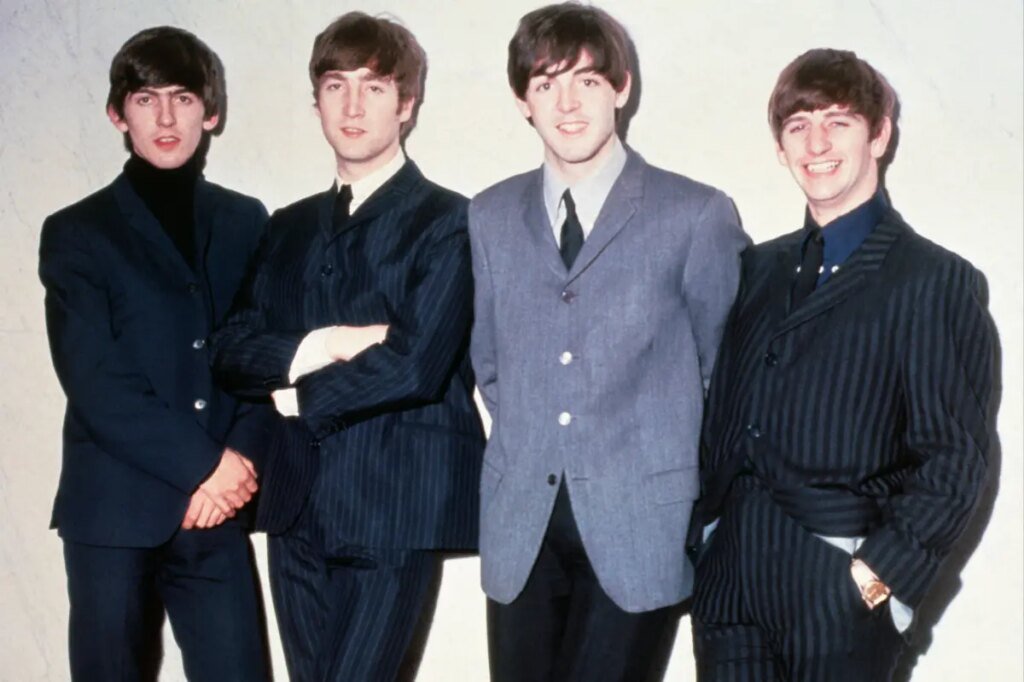
Revisiting a Complicated Legacy: Paul McCartney’s Journey Post-Beatles
In the recently launched documentary “Man on the Run,” Paul McCartney revisits one of the most contentious chapters in The Beatles’ history—the band’s breakup. In this candid reflection, McCartney reveals the complexities surrounding his decision to sue his former bandmates and sheds light on the emotional turmoil that accompanied this pivotal moment in his life. The film chronicles the aftermath of The Beatles’ dissolution and the subsequent birth of Wings, highlighting McCartney’s struggle as he grappled with deep-seated friendships and professional disagreements.
Following the tragic passing of The Beatles’ manager, Brian Epstein, tensions escalated among the band members regarding who should take the reins. McCartney emerged as a staunch opponent to the idea of hiring Allen Klein, who had garnered support from John Lennon, Ringo Starr, and George Harrison. Expressing his concerns during the documentary, McCartney stated, “I saw through it. The way things were going, Allen Klein would just swallow up all The Beatles’ fortune. I thought I had to fight it.” Despite understanding the repercussions, he felt compelled to protect The Beatles’ legacy and finances.
McCartney’s internal conflict became increasingly evident as the pressure mounted. His brother-in-law advised him to pursue legal action, and although he initially hesitated—worrying about how the public and his friends would perceive him—he ultimately felt that suing Klein would be his best recourse. “I said, ‘Well, I’ll sue Allen Klein, but I can’t sue The Beatles,’” he recalls, encapsulating the deep loyalty he felt towards his bandmates. However, in 1970, he made the difficult decision to file a lawsuit against the remaining Beatles, believing that their business partnership was being mishandled.
The lawsuit was more than just an end to the musical collaboration; it represented McCartney’s struggle for financial liberation. By the time the lawsuit was instituted, the band had already split musically, but McCartney saw the necessity of legally dissolving their business arrangement. This legal confrontation became a significant emotional burden, especially as John Lennon publicly criticized McCartney in his track “How Do You Sleep?” The song’s biting lyrics, dismissing McCartney’s contributions to The Beatles, struck a particular chord with the former Beatle, who pushed back against these accusations.
With heartfelt candor, McCartney addressed the lyrics, stating, “If all I ever did was ‘Yesterday,’ ‘Let It Be,’ ‘Long and Winding Road,’ ‘Eleanor Rigby,’ ‘Lady Madonna’… F–k you, John.” This declaration encapsulates the emotional turmoil McCartney faced as he navigated the fallout from their relationships. By 1973, the other Beatles would join him in seeking legal action against Klein for financial misconduct, only affirming McCartney’s initial reservations. The documentary reveals that while McCartney received much blame for The Beatles’ breakup, he felt the weight of John’s influence on that decision.
The narrative further explores McCartney’s long-standing bond with Lennon. From their formative years as aspiring musicians in Liverpool to the overwhelming pressure of global fame, their relationship endured immense complexities. McCartney fondly reminisces about their past, citing their shared love for music and lively adventures. He maintains a sense of fondness for Lennon, despite the ups and downs. “I loved him, you know. I loved all the guys in The Beatles,” he noted, pointing to the magic that their collective energy created in the realm of music.
Additionally, McCartney acknowledges the pivotal role their friendship played in shaping their musical journey. By reflecting on their teenage years of banter and experimentation, including amusing antics like smoking tea when they couldn’t find tobacco, McCartney brings to light the innocence that formed the basis of their lifelong companionship. Even amidst disputes and professional disagreements, he fondly remembers Lennon as “just that guy” and treasured the moments they shared. Their group of four—McCartney, Lennon, George Harrison, and Ringo Starr—he believes, was indeed a magical combination.
In conclusion, “Man on the Run” serves as a revealing exploration of Paul McCartney’s tumultuous yet affectionate relationship with The Beatles. It encapsulates the complexity of navigating personal friendships amidst professional strife. The documentary not only addresses the controversy surrounding the band’s breakup but also paints a vivid portrait of camaraderie and creative collaboration that characterized one of music history’s most beloved bands. McCartney’s journey post-Beatles, fueled by passion and resilience, ultimately led him to create Wings and cement his legacy as one of the most influential artists in the industry.
This article is based on reporting from pagesix.com.
The original version of the story can be found on their website.
Original Source:
pagesix.com
Image Credit: pagesix.com ·
View image


