



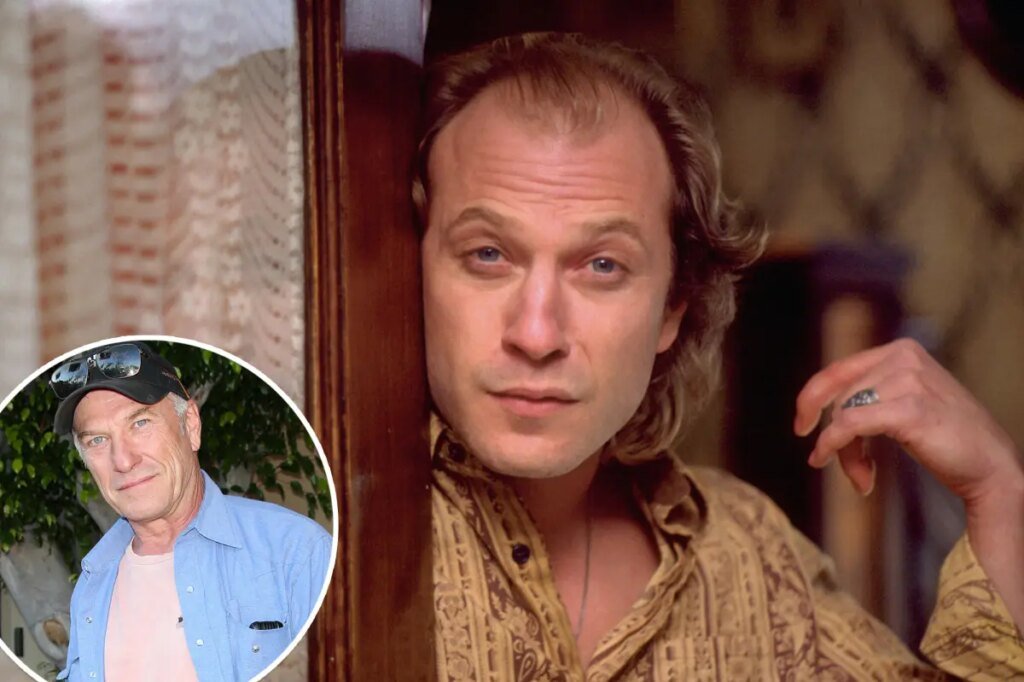
Understanding Ted Levine’s Reflections on Transphobia in "Silence of the Lambs"
In a recent interview with The Hollywood Reporter, Ted Levine, the actor known for his chilling portrayal of Buffalo Bill in the 1991 classic Silence of the Lambs, addressed the film’s ongoing criticisms regarding transphobia. As we mark 35 years since the film’s release, Levine acknowledges aspects of the narrative that today could be seen as problematic. While the film achieved monumental success, winning five Oscars, its depiction of trans and gender nonconforming identities has come under scrutiny, prompting a necessary discussion about the impact of representation in media.
Reflection on Buffalo Bill’s Characterization
Levine openly recognizes the flaws in how Buffalo Bill, or Jame Gumb, was portrayed. A serial killer infamous for murdering women to create a "skin suit," the character’s representation has raised concerns within the transgender community, primarily because he is often perceived as embodying trans identity. Levine admits, “There are some lines in that script and movie that are unfortunate,” indicating a more profound awareness of the sensitivities surrounding gender and sexuality today. His insights contribute to an ongoing dialogue about how past cinematic choices can shape social perceptions of marginalized communities.
Evolving Perspectives on Gender Identity
Levine noted his growth in understanding trans issues over the years, a sentiment echoed by many in the film industry as they confront outdated representations. “I’m a lot wiser about transgender issues,” he remarked, reinforcing the significance of continuous learning and growth. The actor emphasizes that the film not only misrepresented trans identities but also perpetuated harmful stereotypes. By articulating the need to move away from villainizing trans people, Levine highlights the dual responsibility of creators and society to elevate understanding and acceptance.
The Complexity of Performance
While Levine acknowledges the problematic nature of Buffalo Bill, he insists that his portrayal was neither linked to trans identity nor framed as a reflection of homosexual expression. “I didn’t play him as being gay or trans. I think he was just a f–ked up heterosexual man,” he said, specifying that his focus was on showcasing a complex character with severe psychological issues rather than one defined by a sexual or gender identity. This distinction raises questions about the intersection of mental illness, violence, and identity in storytelling—a nuance that remains highly relevant.
Critical Insights from Production Team
Further insight into the film’s creation comes from Edward Saxon, a producer who worked alongside Jonathan Demme. Saxon expressed regret, acknowledging that while their goal was to remain true to the source material, they fell short in sensitivity toward the implications of Buffalo Bill’s character. He stated, “We weren’t sensitive enough to the legacy of a lot of stereotypes and their ability to harm.” This admission not only reflects a growing awareness within the film industry but also highlights the need for responsible storytelling that considers the ramifications of its narratives on real-life communities.
Society’s Dialogue on Representation and Responsibility
The discourse surrounding Silence of the Lambs serves as a potent reminder of the responsibilities that filmmakers bear when shaping societal perceptions. As audiences become more aware of the impact of misrepresentation, the film industry must adapt and evolve. The reflections offered by Levine, Saxon, and others involved with the film indicate a collective commitment to addressing past mistakes while championing a future marked by more authentic portrayals of marginalized identities.
In conclusion, Levine’s candor about his past role and the broader implications of Buffalo Bill’s characterization underlines a critical need for reflection and responsibility in media representation. As society grapples with these complex issues, the entertainment industry must prioritize compassionate storytelling that fosters understanding and inclusivity.
This article is based on reporting from pagesix.com.
The original version of the story can be found on their website.
Original Source:
pagesix.com
Image Credit: pagesix.com ·
View image


