



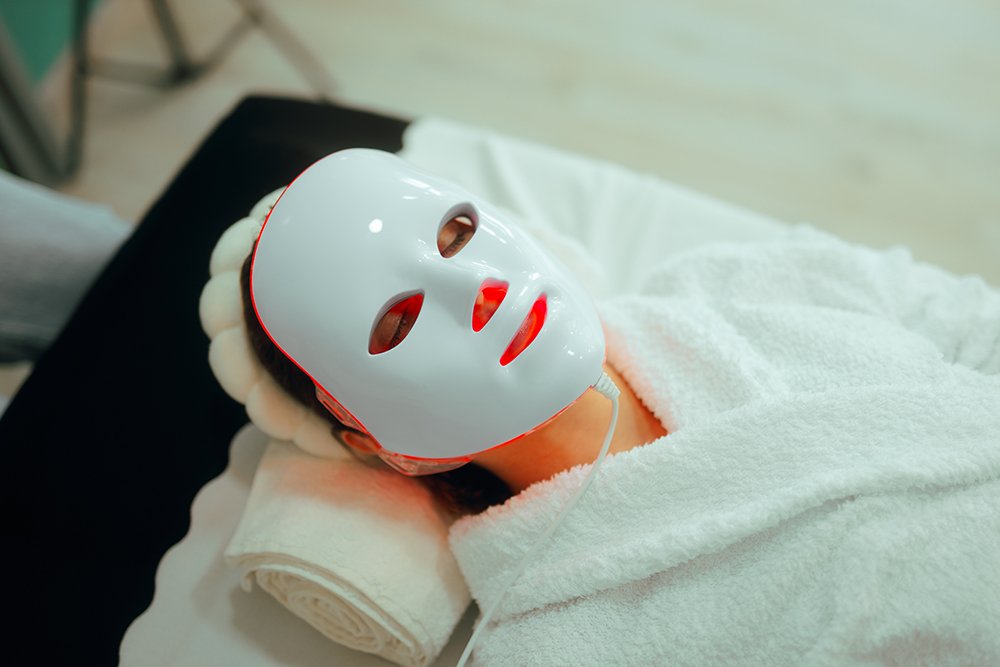
Your Guide to Red Light Masks: What You Need to Know
Shopping for a red light mask can be overwhelming. With countless options available, ensuring you select a device that truly delivers results can often feel like a gamble. As Dr. Jacob Beer, a dermatologist in West Palm Beach, notes, the effectiveness of many devices is sometimes exaggerated. Therefore, to make an informed decision, it’s essential to gather expert insights on what factors you should consider before purchasing.
Understanding LED Therapy
LED (light-emitting diode) therapy utilizes various light wavelengths to address different skin concerns. The most widely used is red light therapy, which operates within a wavelength of 600–700 nm. This range is particularly effective for stimulating collagen production, enhancing skin elasticity, and reducing fine lines and wrinkles. Additionally, it boosts circulation and lessens inflammation—beneficial for all skin types. Both in-office and at-home treatments leverage these advantages, but they differ significantly in terms of power and effectiveness.
In-office treatments, whether done with masks or panels, boast higher intensity and yield more dramatic results with fewer sessions. Dr. Jody A. Levine, a dermatologist in New York, explains that customizing in-office treatments usually results in better efficacy. On the other hand, at-home devices, like red light masks, are less potent and meant to maintain results achieved from professional treatments. Consistency is crucial with at-home devices; to achieve noticeable improvements, Dr. Levine recommends a routine of two to three sessions per week lasting 15–30 minutes each.
Key Factors to Consider
Aspiring buyers should approach red light masks with caution, as not all devices on the market meet the necessary standards of efficacy. Start by examining the intensity and wavelength specifications. According to Dr. Beer, a wavelength of around 633-830 nanometers is essential for effective skin rejuvenation. Another critical measure is irradiance—the amount of light energy emitted from the device—which needs to be in the clinically proven range of 30-100 mW/cm² for optimal results.
Additionally, consider the clinical trials associated with the device. Proper testing is vital to understand device performance. Dr. Beer states that a newer model that doesn’t fall within the appropriate wavelength range or lacks clinical trials is unlikely to yield the expected results. For consumers, looking for FDA clearance is another way to verify a device’s credibility and effectiveness.
Debunking Price Myths
Interestingly, price isn’t the ultimate indicator of quality when it comes to red light therapy devices. While some models may surpass $1,000, a significant investment doesn’t always equate to better results. Dr. Beer suggests that effective devices can even be found at retailers like Costco and Sam’s Club. Instead of solely comparing price tags, Dr. Levine recommends focusing on fundamental specifications, such as irradiance and wavelength.
That said, while affordable options do exist, devices that meet clinical standards often represent a worthwhile investment. It’s crucial to assess the performance and reliability of cheaper alternatives to avoid wasting your money on ineffective products.
The Importance of Consistency
As mentioned earlier, leveraging at-home devices like red light masks requires regular use to attain desired results. Establishing a routine is key; Dr. Beer suggests committing to facial sessions twice or thrice weekly for 15–30 minutes each time. Staying consistent over time may yield more noticeable skin improvement than sporadic use.
While results may not be as dramatic as those from in-office treatments, a committed routine with your at-home device can lead to improved skin tone, texture, and elasticity. Whether you’re aiming to diminish fine lines or enhance overall skin health, persistence will pay off.
Conclusion
In summary, purchasing a red light mask can be a beneficial addition to your skincare routine, but diligence is necessary for effective results. Pay attention to wavelength specifications, intensity, and verify FDA approvals and clinical trials. While a higher price does not guarantee effectiveness, a well-informed choice combined with consistency will enhance your skincare journey.
By staying informed and seeking professional recommendations, you can feel more confident in your red light therapy choices. If you’re looking to improve your skin health naturally, don’t forget to support your overall wellness with quality vitamins.
Boost your health naturally—click here to shop Nature Made vitamins at NatureMade and enjoy 25% off your first order!
This article is based on reporting from NewBeauty.
The original version of the story can be found on their website.
Original Source:
A Dermatologist’s Guide to Buying a Red Light Mask
Image Credit: www.newbeauty.com ·
View image


