



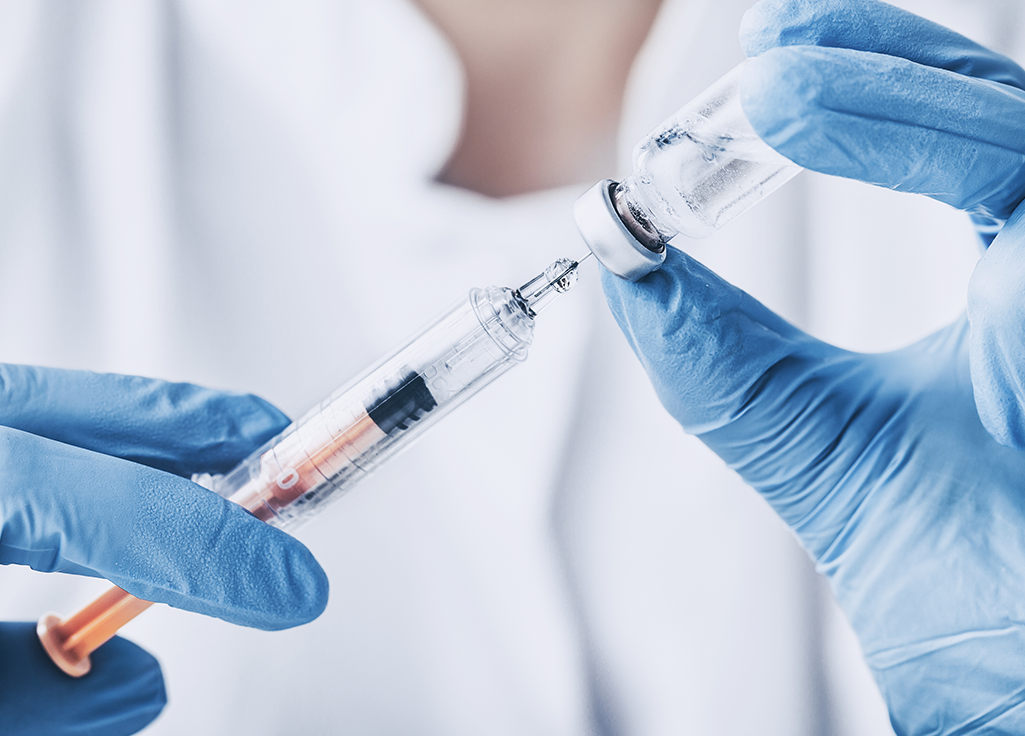
Understanding Peptide Injections: A Guide to Safety and Efficacy
Peptide injections have recently gained popularity beyond longevity clinics and orthopedic offices. They are now frequently discussed in terms of skin quality, recovery, energy enhancement, and body reshaping. As curiosity grows and social media amplifies the conversation, the line between conventional medicine and “biohacking” continues to blur. This article dives into what peptides are, their origins, their purported benefits, and the important safety considerations to keep in mind.
What Are Peptides and How Do They Work?
Peptides are essentially short chains of amino acids that act like natural signaling molecules within the body. According to Dr. Amanda Kahn, a board-certified internist and longevity expert, these molecules influence various physiological processes, including inflammation, tissue repair, collagen production, metabolism, and hormonal functions. When injected, peptides bind to specific receptors and initiate cellular responses. However, it’s essential to note that peptides are not a uniform category; they range from well-established medical therapies, such as insulin or Ozempic, to experimental research chemicals sold online without regulation. This can result in confusion and misinformation among those considering peptide therapies.
To unravel the benefits and potential risks, a deeper understanding of the various categories of peptides is critical. Specifically, the benefits of peptide injections can be divided into several distinct areas: skin, recovery, energy, and body composition.
Peptides for Skin Health
Among the most recognized peptides in dermatology are copper peptides, particularly GHK-Cu. These peptides have long been employed in topical products to stimulate collagen signaling and support skin barrier repair. Dr. Jessie Cheung, a board-certified dermatologist in Chicago, points out that GHK-Cu improves skin quality by enhancing collagen production, improving skin texture, and promoting wound repair. Therefore, for those interested in enhancing their skin’s health, GHK-Cu presents a viable option backed by a track record of effectiveness.
Peptides for Recovery
Peptide injections, especially BPC-157 and TB-500, are garnering attention for their potential benefits in injury recovery and joint support. Dr. Kahn suggests that BPC-157 is frequently discussed for its role in tendon and ligament support as well as inflammatory regulation. However, she cautions that concerns regarding product quality, dosing variability, and open-ended usage must be taken seriously. Similar concerns are applicable to TB-500, which is often touted for its healing properties. While these peptides show promise, expectations should be managed, and oversight from qualified healthcare professionals is essential.
Energy and Metabolism Enhancement with Peptides
Peptide injections are also being explored for their ability to boost energy levels and support metabolic health. One noteworthy example is SS-31, or elamipretide, which has been thoroughly studied for its ability to improve energy in individuals with mitochondrial disorders. Dr. Kahn emphasizes the importance of prior research when considering energy-focused peptides. Although the appeal is strong in wellness and longevity discussions, not all peptides have undergone extensive investigation, necessitating caution and a thorough understanding of what each peptide can achieve.
The Role of Peptide Stacking
“Peptide stacking” is a term used when individuals combine multiple peptides to achieve diverse health goals. However, experts caution that this practice significantly increases risks, especially when peptides are sourced from unregulated channels. According to Dr. Kahn, issues such as varying purity and sterility can lead to serious consequences. Dr. Cheung further warns against the misconception that “natural” means safe; improper use or dosages may result in adverse outcomes. Therefore, medical supervision and clear communication about the safety and sourcing of these substances are vital.
Are Peptide Injections Safe?
While peptide injections can serve as effective tools for specific health objectives, their safety is heavily context-dependent. Factors such as the type of peptide, the provider administering it, sourcing quality, and medical oversight play crucial roles in assessing safety. Dr. Cheung reiterates that issues often arise from inappropriate dosages or lack of medical supervision. For those interested in peptide therapies, it’s pivotal to be well-informed and consult healthcare professionals to discuss potential contraindications and individual health needs.
In conclusion, although peptides present exciting opportunities for therapeutic interventions, comprehensive understanding and careful considerations of their use are necessary. While the appeal of enhanced skin quality, injury recovery, increased energy, and optimized metabolic health is strong, one must remain cautious about the sources and regulation of these compounds.
Boost your health naturally—click here to shop Nature Made vitamins at Nature Made and enjoy 25% off your first order!
This article is based on reporting from NewBeauty.
The original version of the story can be found on their website.
Original Source:
Peptide Injections Explained: Benefits, Risks and Safety
Image Credit: www.newbeauty.com ·
View image


