



Understanding Hair Types: Rethinking the Hair Typing System
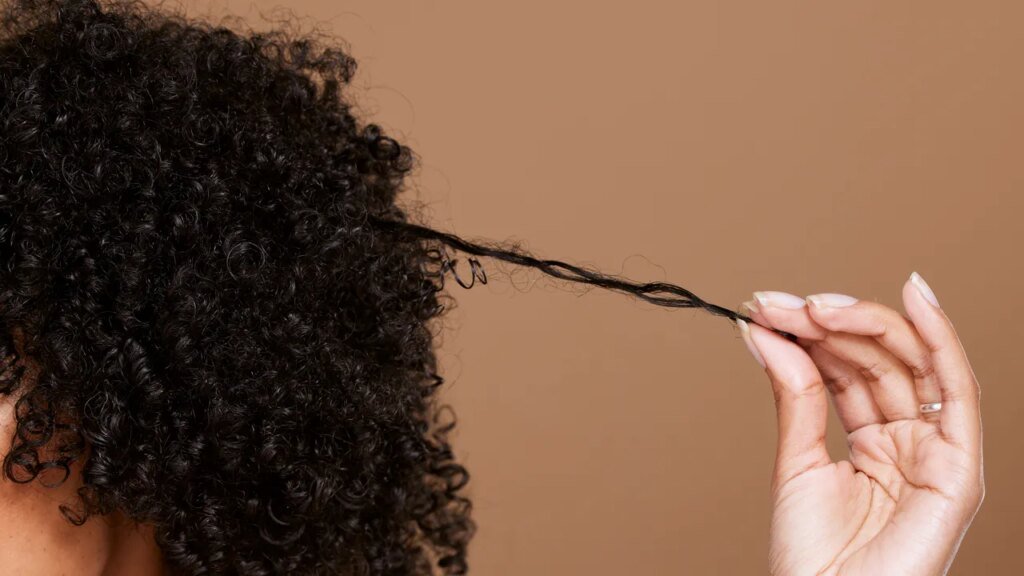
Hair typing systems have been prominent in beauty discussions, but many professionals, like Virginia-based cosmetologist Tishawna Pritchett, argue that they are more misleading than helpful. Drawing from over 30 years of experience, Pritchett emphasizes the importance of focusing on hair health rather than strict classifications. This approach challenges traditional notions of curl patterns and advocates for a more nuanced understanding of hair care.
The Limitations of Hair Typing
Pritchett asserts that many clients misidentify their hair types, often believing they have 4C hair due to influences from hair typing charts. However, these misconceptions can stem from damaged strands or inadequate care rather than inherent texture. To effectively care for your hair, Pritchett advises starting with an assessment of hair condition, particularly damage levels and porosity, instead of relying on arbitrary classifications. Understanding the health of your hair allows for smarter, individualized care, leading to better results.
Porosity: The Key to Hair Health
Dr. Asempa introduces the concept of hair porosity, which refers to how well your hair absorbs moisture and products. Porosity is influenced by natural factors like lipid levels and cuticle structure, as well as external treatments such as dyes and heat styling. The classification of hair based on curl patterns often overlooks these crucial aspects, leading to misguided product recommendations. For instance, products that work for someone with straight, bleached hair may be equally beneficial for someone with coily, high-porosity hair, highlighting the need for a more holistic approach.
The Impact of Overall Health on Hair
Moreover, the condition of your hair is often a reflection of your overall health. Various factors—including stress, hormonal fluctuations, medication, and aging—can affect hair follicles and change curl patterns. Such transformations are not accounted for in traditional hair typing systems, which can leave individuals feeling frustrated and misinformed. By acknowledging the interplay between hair health and general wellness, we can develop better care routines that respond to our bodies’ needs throughout different life stages.
Dismantling Biases in Hair Typing
The conventional hair typing system has been critiqued for reinforcing age-old biases. By placing straight hair as the ideal (type 1) and coily hair as the least desirable (type 4), it unintentionally promotes a Eurocentric standard of beauty. This hierarchy can perpetuate harmful stereotypes and feelings of inadequacy among those with tighter curl patterns. The roots of such classifications trace back to eugenics, making it essential to rethink how we define and celebrate diverse hair types in contemporary discourse.
Embracing Individuality in Hair Care
Instead of adhering to a flawed hair typing system, both Pritchett and Dr. Asempa advocate for personal choices rooted in individual hair health and care practices. This means recognizing that everyone’s hair is unique and responding to it requires a tailored approach that focuses on nourishment, damage control, and healthy habits. By shifting our focus from categories to caring for our unique hair types, we can empower ourselves and embrace our natural beauty.
For more personalized health solutions, Boost your health naturally—click here to shop Nature Made vitamins at NatureMade and enjoy 25% off your first order!
This article is based on reporting from Allure.
The original version of the story can be found on their website.
Original Source:
The Curl Pattern Chart Is Long Overdue for an Upgrade
Image Credit: www.allure.com ·
View image


