



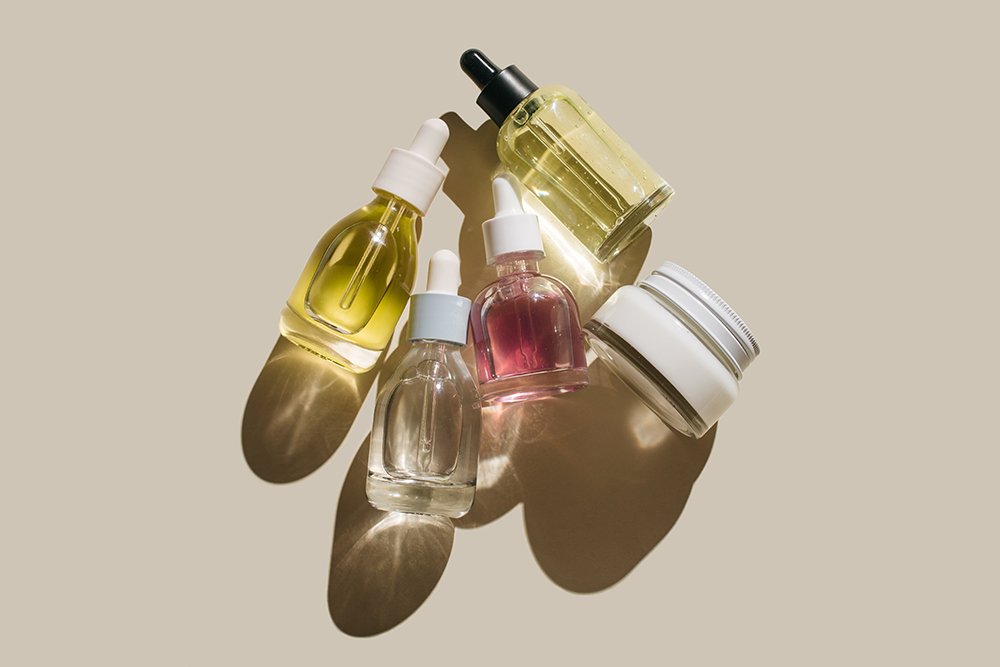
Understanding "Oil-Free" in Skincare: Beyond the Marketing Term
The skincare industry has undergone a significant transformation, driven by consumer knowledge and the demand for transparency regarding product ingredients. As media, dermatologists, and cosmetic chemists provide increased education, the term "oil-free" has emerged as a point of contention among consumers. Many are confused about what really qualifies as oil-free, highlighting the need to delve deeper into this marketing term’s implications. In this article, we will explore the nuances of "oil-free" products with insights from leading experts in the field.
The Truth Behind "Oil-Free" Labeling
According to Ginger King, a prominent cosmetic chemist, the term "oil-free" is primarily a marketing strategy rather than a legally defined standard. Brands often label products as oil-free if the ingredient list doesn’t explicitly contain words like "oil." However, ingredients such as silicone esters can have oily characteristics but may not use the term "oil" in their nomenclature, potentially misleading consumers. King references class-action lawsuits against big brands like Johnson & Johnson and L’Oréal, showing the gaps between consumer expectations and real formulations.
Read more about skin-care marketing practices for better-informed buying decisions.
Evolution of the Term "Oil-Free"
Dr. Julie Russak, a board-certified dermatologist in New York, adds that the term has evolved. Initially, "oil-free" aimed to indicate formulations devoid of heavy, pore-clogging oils. Nowadays, the focus has shifted toward understanding how a product’s lipid components interact with the skin. The modern definition of oil-free should emphasize intelligent formulations that support the skin’s natural balance rather than merely excluding oil.
For effective solutions for oily skin issues, explore our recommendations.
The Confusion with Ingredients
Consumers often struggle to understand product formulations, especially regarding ingredients that may appear on the INCI list (International Nomenclature of Cosmetic Ingredients). If a product includes substances like mineral oil, it should not be advertised as oil-free. However, King explains that some plant-derived ingredients, such as jojoba or sunflower seed oil, are non-comedogenic and can benefit the skin. The crux of the matter lies in understanding molecular structures and their compatibility with the skin.
Check out our list of non-comedogenic oils that can be beneficial for your skin.
The Role of Squalane in Skincare
Another area of confusion is squalane, an ingredient that has gained popularity despite its oil-derived origins. Although squalane shares characteristics with traditional oils, it is often deemed safe for acne-prone skin. King explains that it resembles skin-identical sebum, making it less likely to clog pores. The key takeaway is that oil-free products can still be beneficial for oily or acne-prone skin, as certain oils can provide hydration without the greasy feel that consumers often dread.
Learn more about squalane and its benefits for all skin types.
Recognizing Skin Types and Needs
According to Dr. Russak, individuals with excess oil production or conditions like rosacea may find oil-free products beneficial. However, it’s essential to recognize that not all cases require an oil-free regimen. Many people struggling with breakouts often have a compromised skin barrier, and addressing this issue may require restoring balance with appropriate lipids and ceramides rather than completely avoiding oils.
Explore how to restore and maintain a healthy skin barrier.
The Future of Skincare Formulations
The future of skincare is not strictly about eliminating oils but rather teaching the skin to rebalance and regenerate effectively. Dr. Russak highlights the emergence of products designed to operate at a cellular and genetic level, focusing on maximizing skin health. This innovative approach includes intelligent lipid formulations and targeted delivery systems, which could revolutionize how we understand and apply terms like "oil-free."
Stay updated with the latest skincare innovations for healthier and more radiant skin.
In conclusion, the "oil-free" label is more complex than it appears. As consumers, understanding these nuances can empower us to make better choices for our skincare routines. By focusing not just on the absence of oil but on how the ingredients work together to support skin health, we can navigate this intricate landscape more effectively.
Boost your health naturally—click here to shop Nature Made vitamins at Nature Made and enjoy 25% off your first order! Nature Made
This article is based on reporting from NewBeauty.
The original version of the story can be found on their website.
Original Source:
What Does Oil-Free Really Mean in Skin Care?
Image Credit: www.newbeauty.com ·
View image


