



The Science of Perfume: Understanding Maceration and Maturation
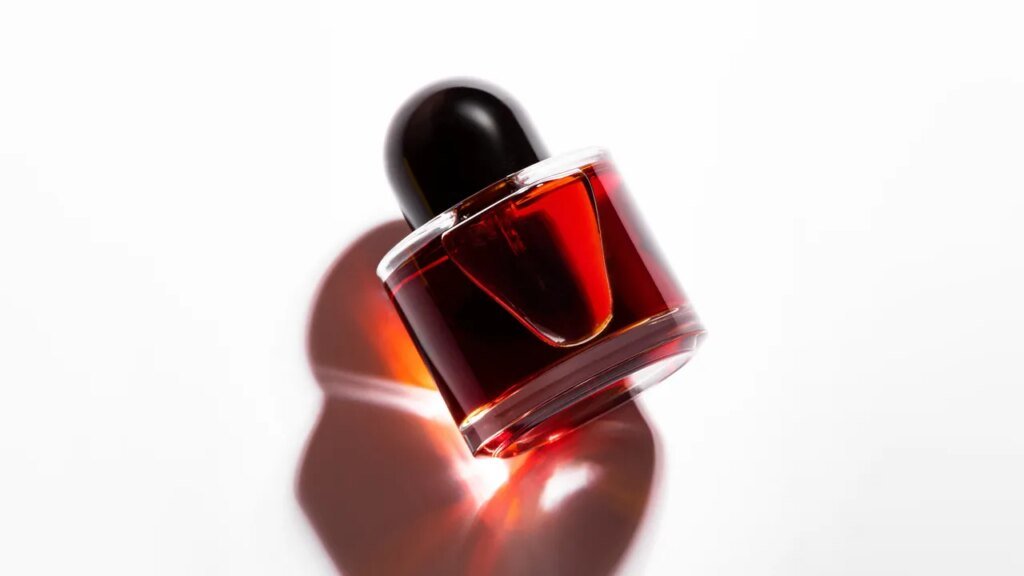
Perfume enthusiasts often notice changes in their favorite scents, such as a shift in color or aroma. A recent experience led me to question the science behind these transformations. When I observed that my beloved By Rosie Jane parfum took on a honeyed hue after a year of use, I was unsure if it had gone bad. However, upon spritzing, the fragrance remained sweet and inviting, albeit richer than before. To uncover more about this phenomenon, I turned to TikTok and the world of perfumers, only to discover that the terms "maceration" and "maturation" are often misunderstood.
What Are Maceration and Maturation?
In the realm of perfumery, "maceration," "maturation," and “aging” might seem synonymous, but they carry distinct meanings. As explained by Gustavo Romero of Team of Two Perfumers, maceration and maturation are crucial manufacturing processes that ensure a fragrance develops optimally. In contrast, the aging that many bloggers and influencers discuss is more of a natural process you experience at home. Understanding these concepts helps demystify the complexities behind scent creation.
The Maturation Process
Maturation is the initial step in creating a perfume. During this phase, fragrance oils are blended and left to rest for approximately two to three weeks. This resting period allows the various notes, such as warm ambers and fresh citruses, to harmonize. Senior technical manager Bhushan Patel from International Flavors & Fragrances, Inc. notes that perfumers diligently experiment with their mixtures until they achieve a balanced aroma. The final product emerging from this stage lays the groundwork for what will become an enchanting scent.
The Importance of Maceration
After maturation, the next critical phase is maceration. Here, the fragrance concentrate is diluted in alcohol and allowed to rest further. This essential process allows the aromatic molecules to dissolve and distribute evenly, creating a cohesive scent. Romero emphasizes that this is not a DIY endeavor but rather a structured manufacturing step. Maceration contributes significantly to the overall character of the fragrance, refining it into a well-rounded and harmonious composition before it reaches its final packaging.
Aging vs. Maceration
While maceration is an intentional process, the aging of perfumes can occur at home and often changes a fragrance’s character unpredictably. According to Patel, this phenomenon can lead to either delightful or less favorable outcomes. Aging often reveals hidden layers of a scent, allowing for an unexpected evolution, but it does not follow the meticulous standards of professional perfumery.
Conclusion
Understanding the differences between maceration, maturation, and aging in perfumes provides valuable insights for both enthusiasts and casual users alike. It highlights that what we often call "maceration" in the beauty community might simply be aging, a more organic, uncontrolled process. So, the next time you notice a change in your favorite fragrance, think about the science behind it! If you’re looking to boost your health and wellness, don’t forget to explore essential vitamins that can support your well-being.
Boost your health naturally—click here to shop Nature Made vitamins at NatureMade and enjoy 25% off your first order!
This article is based on reporting from Allure.
The original version of the story can be found on their website.
Original Source:
Why Did My Perfume Change Color?
Image Credit: www.allure.com ·
View image


