



The Testament of Ann Lee: Costume, Color, and the Spirit of the Shaker Movement
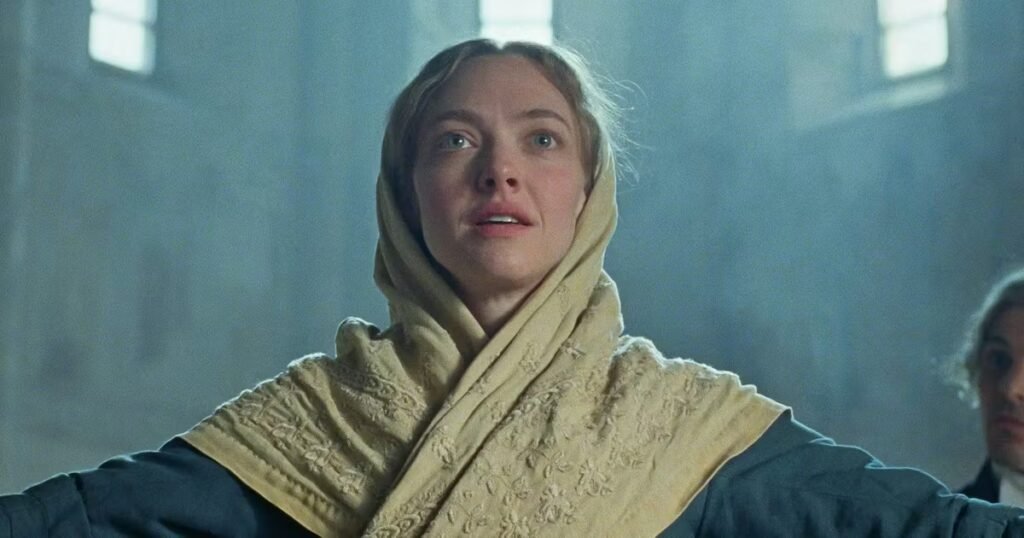
The cinematic portrayal of Ann Lee in The Testament of Ann Lee, now showing in theaters, features Amanda Seyfried in a compelling role that celebrates one of history’s most significant religious leaders. In collaboration with costume designer Malgorzata "Gosia" Karpiuk, Seyfried undertook the considerable task of embodying the founder of the 18th-century Shakers movement. The intricacies of Seyfried’s costumes—replete with layers of historical garments—play an essential role in not only visual storytelling but also in conveying the emotional and spiritual evolution of Ann Lee.
A Deep Dive into Historical Authenticity
Karpiuk’s dedication to historical accuracy saw Seyfried adorned in layers of period-appropriate clothing, which included special socks, underskirts, corsets, jackets, and dresses complete with vests and cloaks. As Karpiuk aptly put it, "The costumes were really heavy, honestly, and she never complained. She was dancing beautifully." This dedication to authenticity features prominently in the film, which is directed by Mona Fastvold and structured in three captivating chapters. The challenges of dressing for the role were not limited to aesthetics; they also facilitated Seyfried’s immersive performances, especially during expressive musical numbers which redefine traditional Shaker hymns.
For an idea of the kind of immersive experience audiences can expect, you can explore more about the film on Searchlight Pictures.
Artistic Inspirations Behind the Costumes
In rendering the costumes for Seyfried’s character, Karpiuk and the creative team leaned heavily on Baroque paintings, particularly those of Caravaggio and English satirist William Hogarth. This visual research informed a realistic and emotionally engaging representation of Ann Lee’s challenging life. The collaboration with a tailor skilled in opera and dance theater resulted in the creation of a special elastic corset, enabling Seyfried to execute intense choreography while maintaining a connection to her character’s physical and emotional struggles.
Symbolism and Emotional Weight of Costume Choices
Throughout the film, the weight of Seyfried’s costumes serves a symbolic purpose. In one haunting sequence during the characters’ tumultuous voyage to New York, she recalls, "I ended up weighing twice my weight because of my clothing being soaked." In the midst of physical discomfort, Seyfried’s performance underscores Ann Lee’s resilience and spiritual fortitude. The costume’s symbolism extends beyond its materials; it encapsulates life’s hardships resonating through Ann’s journey—beginning in economically depressed Manchester and culminating in a quest for spiritual freedom in America.
Navigating Through Color and Emotion
Costume designer Karpiuk employed color as a powerful narrative device. Early on, Ann Lee was depicted in bold colors, which symbolize her initial struggles and aspirations. As the story unfolds, colors evolve, reflecting her emotional transformations. Through vibrant reds and blues, the early chapters reveal the harsh realities faced by Ann in her pursuit of celestial enlightenment. As she arrives in New York, changes in her palette—muted pastels—symbolize her developed perspective and growing community.
For a deeper understanding of the Shaker movement and Ann Lee’s life, read more on the Shaker Society.
Building a Utopian Community
In the film’s latter chapters, as Ann and her followers establish a communal settlement in Niskayuna, New York, Karpiuk chose a lighter color palette to symbolize a newfound hope and a cohesive community. As they faced challenges, including violent opposition to their beliefs, Ann maintained a vision of peace and equality that continued to inspire her followers. The costume changes mirrored her evolving ideology, conveying a narrative of personal and collective growth.
A Heartfelt Conclusion
The film culminates in emotional sequences that underscore the unity and harmony within the Shaker community, with final scenes depicting Ann’s funeral adorned in uniform attire. Karpiuk and Fastvold took creative license here, infusing elements from actual depictions of Shaker gatherings to craft a sense of reverence and solidarity among Ann Lee’s followers. As the credits roll, the vibrancy of color and attention to detail in costuming provide a visual tribute to the Shaker movement’s ideals of equality and unity, encapsulating the essence of Ann Lee’s enduring legacy.
In a world where the intricate details of history can often be lost, The Testament of Ann Lee manages to weave an engaging narrative that is both visually striking and deeply resonant. For more information on the film and to experience the journey of Ann Lee, visit The Testament of Ann Lee Official Site.
This article is based on reporting from www.wmagazine.com.
The original version of the story can be found on their website.
Original Source:
www.wmagazine.com
Image Credit: www.wmagazine.com ·
View image


