



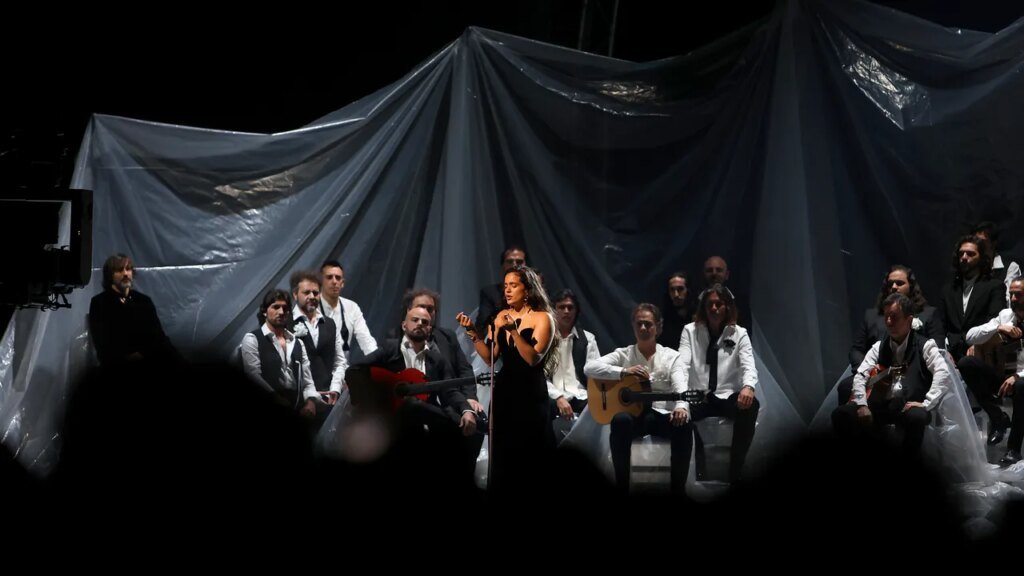
The Art of Conducting: A Universal Language Through Music
Conducting an orchestra is an intricate dance of communication, transcending traditional language barriers. The recent album featuring 13 languages—Ukrainian, Sicilian, Arabic, and Mandarin—brings this idea to the forefront. While the diverse languages reflect a global tapestry of culture, the conductor’s role relies heavily on a more universal form of communication: movement. This relationship between the conductor and the orchestra is pivotal for effective orchestration and interpretation, revealing a fascinating layer of musical artistry.
The Dance of Conducting: A Unique Communication
When people observe a conductor, they often see the hand gestures that accompany the music. This visual aspect resembles a form of sign language. Each movement has a specific meaning—such as the downbeat, which signals the beginning of a musical phrase. Conductors utilize various patterns to denote different time signatures, like 2/4, 3/4, or 4/4. The primary responsibility of a conductor is to maintain this tempo while simultaneously shaping the music’s emotional essence through interpretative gestures. Thus, conducting emerges as both a technical skill and an art form, requiring a deep emotional connection with the musicians.
A Shared Understanding: The Universal Language of Music
The physical gestures used in conducting are largely universal. For instance, the downbeat remains consistent across cultures, echoing similar patterns found in various musical traditions worldwide. However, cultural nuances influence how orchestras respond to dynamics and interpretative styles. Just as the written sheet music serves as a universal language, the physical movements of conductors create a similar means of understanding among musicians, irrespective of their geographical or cultural backgrounds. This shared language fosters a collaborative spirit within orchestras, enhancing the overall performance experience.
Influences from Across the Globe
Delving into global musical influences has enriched the creative process behind the recent album, showcasing diverse traditions from around the world. The album incorporates elements from Spanish and Portuguese music traditions, such as fado and flamenco. While the conductor may not possess firsthand experience with these styles, participating in the interpretation allows for a deeper appreciation of their unique nuances. These various influences serve to broaden the conductor’s perspective, enhancing their ability to relay complex emotions through music.
The Italian Aria: A Personal Favorite
Among the diverse compositions on the album, “Mio Cristo piange diamanti” stands out as an exceptional piece that expertly showcases the power of operatic structure. This aria exhibits a level of sophistication that differentiates it from conventional pop songs. The breadth of its form mirrors a scene from an opera, laden with dramatic tension and emotional depth. The hauntingly beautiful lyrics paired with the lyrical quality of the vocals make this piece a standout moment in the album. It is a testament to the singer’s artistry and the conductor’s interpretative finesse, illustrating how collaboration elevates the musical experience.
Building Bridges Through Music
The sense of community found in orchestras offers a unique platform for cultural exchange. As conductors navigate various musical landscapes, they also become ambassadors of understanding, sharing different traditions with their ensemble. The ability to adapt to diverse musical languages not only enriches the conductor’s skill set but also cultivates an atmosphere of inclusivity. This collaboration encourages musicians to draw on their unique cultural backgrounds, creating a richer, more layered performance that resonates with audiences.
Conclusion: A Symphony of Cultures
In summary, the role of a conductor extends far beyond mere baton waving; it embodies a profound connection between the performers and the music. As seen in the recent album featuring multiplicity of languages, conducting serves as an exploration of global traditions. Through universal gestures, a deep understanding of musical structure, and collaborative efforts, conductors engage in a beautiful practice that transcends cultural boundaries. This highlights the power of music as a universal language capable of uniting people from all walks of life. For more information on the intricate world of conducting, explore here.
This SEO-optimized article serves not only to inform readers about the unique aspects of conducting but also to highlight cultural influences in music, appealing to enthusiasts across various backgrounds while promoting engagement through hyperlinks.
This article is based on reporting from www.cntraveler.com.
The original version of the story can be found on their website.
Original Source:
www.cntraveler.com
Image Credit: www.cntraveler.com ·
View image


