



Impact of Airspace Closures in the Middle East on Global Flights
Recent escalations in geopolitical tensions have led to airspace closures in the Middle East, significantly impacting airline operations. Major European carriers, including British Airways, KLM, and the Lufthansa Group, have announced temporary route suspensions affecting key cities such as Dubai, Abu Dhabi, Riyadh, Dammam, Amman, Kuwait City, and Tel Aviv. As a result, several international airlines are opting to reroute their flights to ensure passenger safety while still maintaining operational integrity.
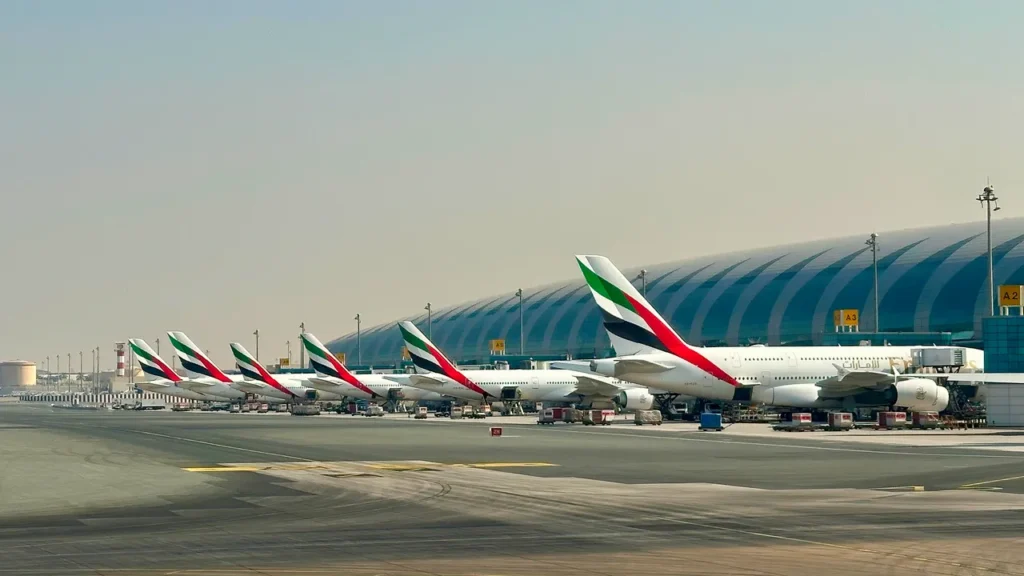
Gulf airlines, such as Emirates and Etihad Airways, are adjusting their flight schedules, albeit to a limited extent, with an emphasis on repatriating passengers. Similarly, Qatar Airways is also offering a limited number of repatriation flights while its standard operations remain suspended. This shift creates an overview of how flight services are evolving amidst the ongoing crisis.
Global Flight Implications
Aviation experts express that the conflict in the region could lead to increased airfare prices and flight delays worldwide, even for those not traveling directly to the impacted areas. According to industry analysts, the significant rerouting and cancellations could have a ripple effect on air travel demand and pricing in different regions. As such, travelers planning trips in or around the Middle East should stay updated on possible fare increases and delays.
Recommendations from Aviation Authorities
In light of these closures, the UAE’s General Civil Aviation Authority has classified the current airspace restrictions as precautionary measures tied to ongoing security assessments. They emphasize that operational decisions are made with the cooperation of national and international partners. Notably, flight operations will recommence only once the safety conditions are satisfactorily met. Passengers are strongly advised not to head to the airport unless directly contacted by their airline. For the most accurate updates, travelers should refer only to official channels.
Similar advisories have been made by Dubai Airports, urging travelers to verify flight statuses before departure. They emphasize that flight schedules remain fluid and subject to change as airlines gradually restore operations. In Abu Dhabi, Etihad Airways also encourages passengers to keep their contact information updated and to monitor the airline’s website for real-time updates.
Traveler Considerations
The airspace restrictions are set to cause various practical disruptions for travelers. These disruptions may include technical stops—especially for low-cost carriers—requiring unscheduled fuel stops in Southern Europe. Cancellations remain inevitable as airlines ground flights due to closed airspaces. As operations resume, travelers will likely encounter shifts in schedule, leading to delays and significant knock-on effects as airlines scramble to accommodate passengers.
Refunds and Rebooking Policies
Faced with these unprecedented disruptions, airlines are increasingly offering refunds and flexible rebooking options, although these policies can vary by carrier. For travelers transiting through key hubs like Dubai or Riyadh, close monitoring of flight connections is imperative to mitigate the impact of potential delays. Being proactive about travel plans can help ensure a smoother journey despite the current turbulence in air travel.
As the situation continues to evolve, travelers are encouraged to remain informed and prepared for adjustments to their itineraries. The critical takeaway here is that the airspace crisis is not merely a localized issue—it stands to affect global passenger traffic significantly. Therefore, regular updates from airlines and aviation authorities will be key to navigating this challenging period.
In summary, the ongoing airspace closures in the Middle East present numerous challenges for the aviation industry, requiring travelers to stay alert and adaptive in their planning.
This article is based on reporting from www.cntraveler.com.
The original version of the story can be found on their website.
Original Source:
www.cntraveler.com
Image Credit: www.cntraveler.com ·
View image


