



Discovering the Transformation of Inhotim: Art, Culture, and Heritage
Inhotim, Brazil’s renowned contemporary art museum, has recently undergone a remarkable transformation, making it more accessible and inviting for visitors. Until late last year, guests had limited accommodation options in neighboring Brumadinho or had to embark on a day trip from Belo Horizonte, which wasn’t nearly enough time to appreciate the museum fully. However, this dynamic changed when Taiza Krueder, a São Paulo-based chef and hotelier, acquired the half-finished hotel project initiated by former Inhotim director Bernardo Paz in 2011. This strategic acquisition has set the stage for the museum’s future as a cultural hub, providing travelers with an immersive experience in art and nature.
The Birth of Clara Arte: A New Era for Inhotim
By June 2023, Krueder revitalized the derelict hotel structure, transforming it into Clara Arte. This inviting establishment features airy communal spaces adorned with a selection of artwork from Inhotim’s extensive collection and 46 exquisite villas that overlook the park’s lush tropical canopy. The thoughtful renovation invites visitors to pause, appreciate, and delve into the layers of creativity the museum offers.
Moreover, the integration of art into the hospitality experience encourages guests to linger among the captivating installations, allowing them to fully digest the richness of contemporary pieces continually evolving within Inhotim. This careful attention to artistic curation reflects the museum’s mission to celebrate and showcase diverse narratives, beckoning other cultural and social initiatives to evolve alongside it.
A Rich Artistic Journey Awaits
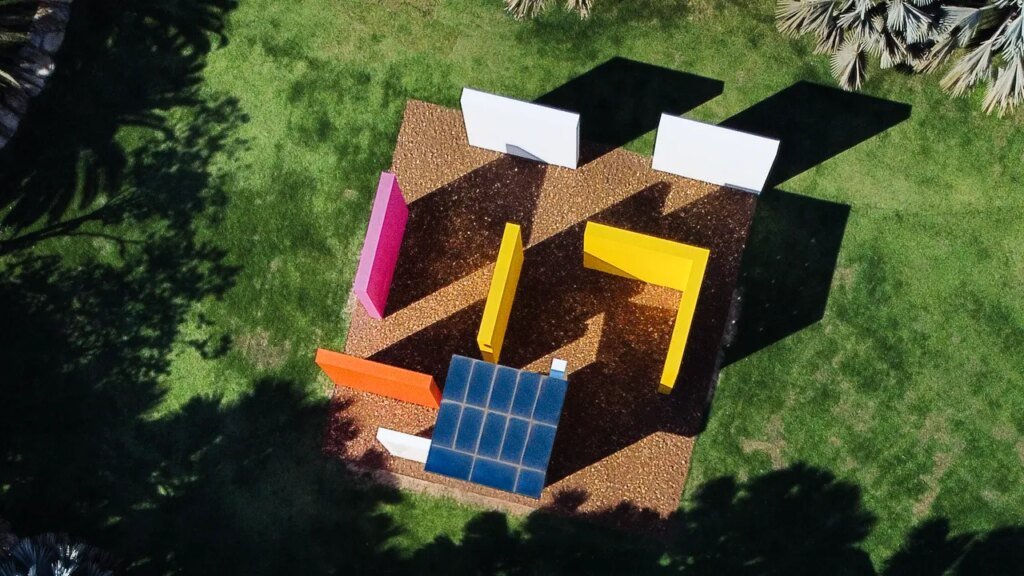
During my visit, I was captivated by the sheer diversity of installations that Inhotim has to offer. One morning, I wandered beyond the hotel grounds, finding myself immersed in a pavilion dedicated to Brazilian artist Lygia Pape. The experience was almost mystical as I encountered luminous columns of golden wire piercing through the serene darkness, manifesting light as a palpable entity. The allure of Pape’s work is just a mere reflection of the deep artistic conversations happening at Inhotim.
Later that day, I meandered past Rebeca Carapiá’s cast-iron-and-copper glyphs levitating over a reflective lagoon, showcasing the seamless blend of nature and art that Inhotim embodies. Additionally, the park is set to unveil a cast-bronze banana tree by artist Paulo Nazareth in 2024, symbolizing a connection with the land. Such installations embody Inhotim’s growing commitment to including works from Black and Indigenous artists, which enhance its narratives and foster deeper connections with marginalized communities. Learn more about Inhotim’s dedication to diverse artistic expressions.
Rediscovering Heritage in the Region
In addition to the museum, my visit to Belo Horizonte unveiled an array of local projects deeply rooted in the region’s rich history. Renowned ceramist Daniel Romeiro emphasizes this connection, as he and his family create stunning pottery at O Ateliê de Céramica. Their work not only reflects their artistic talents but also the cultural essence of the materials used. This highlights the importance of tradition and craftsmanship within the context of contemporary art.
Remembering and celebrating local traditions is vital for building a strong sense of community identity, which is echoed throughout the city’s various artistic and culinary endeavors. Projects like this signify how art can reinforce cultural identities while contributing to broader dialogues about history and belonging.
Culinary Delights as Cultural Expression
As my exploration continued, I ventured into the bustling Mercado Central to experience the local gastronomy. Here, I discovered the delights of Minas Gerais cuisine at Cozinha Santo Antônio. Chef Juliana Duarte skillfully uses traditional Mineiro ingredients, presenting food as an essential aspect of cultural history. Each dish crafted reflects the region’s agricultural bounty and rich culinary traditions, allowing visitors to connect with local heritage in delectable ways.
Food, like art, serves as a medium through which stories are told, showcasing the interplay between culture and community. Therefore, engaging deeply with local food presents an opportunity to understand historical narratives surrounding Inhotim and its surroundings in ways that resonate intimately with travelers.
The Future of Inhotim: A Cultural Haven
In conclusion, the transformation of Inhotim and the surrounding Belo Horizonte area fosters an enriched cultural landscape, inviting visitors to delve into artistic experiences that transcend superficial engagement. The visionary changes initiated by Taiza Krueder not only improve visitor accommodation but also enhance the museum’s mission of inclusivity and community connection. By emphasizing diverse artistic narratives and local heritage, Inhotim positions itself as a crucial player in Brazil’s contemporary art scene.
As travelers seek more immersive experiences, Inhotim’s renewed vision will undoubtedly attract art lovers, community enthusiasts, and culinary explorers eager to connect with Brazil’s rich tapestry of culture. Therefore, visiting Inhotim is not just about viewing art but embracing a multifaceted experience encompassing nature, community, and history—an invitation to linger in the beauty of Brazil’s artistic soul. Explore more about this remarkable place at Inhotim for your next adventure.
This article is based on reporting from www.cntraveler.com.
The original version of the story can be found on their website.
Original Source:
www.cntraveler.com
Image Credit: www.cntraveler.com ·
View image


