



The Tallest Buildings in the World: Icons of Human Ambition
The tallest buildings in the world represent more than just formidable heights; they are testaments to human ambition, engineering marvels reshaping city skylines, and vivid expressions of what is possible in modern architecture. From East Asia to the Gulf and North America, these skyscrapers trace a geography of 21st-century striving. Advances in high-strength concrete, wind-resistant structural systems, and the ubiquity of high-speed elevators have made vertical growth increasingly feasible. Moreover, the trend towards mixed-use programming ensures that these supertall buildings act as vibrant urban ecosystems, rather than mere monuments dotting the landscape. Observation decks, luxury hotels, offices, residences, and shops work in tandem within these structures, attracting both tourists and locals and enhancing urban life.
Not only do these skyscrapers contribute to the skyline, but they also provide travelers and locals with breathtaking views, allowing them to engage deeply with the aspirations and identity of the cities they inhabit. They are recognized globally as defining landmarks, often featured on postcards, prominent films, and approaches to major airports. In assessing the world’s tallest buildings, we rely on globally verified height data, particularly from the Council on Tall Buildings and Urban Habitat, the authoritative body for skyscraper measurements. They rank buildings by architectural height—spires are included while antennae and temporary structures are excluded. This article will discuss some of the tallest completed buildings, illustrating both their heights and their significance.
Burj Khalifa, Dubai: 828 Meters Tall
At the forefront stands the Burj Khalifa in Dubai, towering at an impressive 828 meters. This iconic structure has been the tallest building on Earth since 2010 and serves as a benchmark for architectural ambition worldwide. As the centerpiece of Downtown Dubai, the Burj Khalifa has redefined the city’s global image. Surrounded by a vibrant community of shopping malls, residences, and the mesmerizing Dubai Fountain, this skyscraper is not just a symbol of height but a focal point of urban life. Visitors flock to its observation decks to enjoy panoramic views of the Arabian desert and the sprawling city below.
Merdeka 118, Kuala Lumpur: 679 Meters Tall
Following closely is Merdeka 118 in Kuala Lumpur, which rises to 679 meters. As the second-tallest building in the world, Merdeka 118 pays homage to Malaysia’s rich heritage while embodying modern architectural innovation. The tower features a graceful design inspired by the nation’s culture, making it a beacon of national pride. The skyscraper includes a mix of residential, office, and retail spaces, resonating with the trend towards multifunctional urban centers. It also boasts an observation deck that provides stunning views of Kuala Lumpur and serves as a venue for cultural events and exhibitions.
Shanghai Tower, Shanghai: 632 Meters Tall
The Shanghai Tower ranks third at 632 meters. This twisting skyscraper not only captures attention with its unique design but also sets standards for sustainability in high-rise construction. The building integrates a range of energy-efficient technologies, like wind turbines and rainwater collection systems. It houses office spaces, hotels, retail areas, and observation decks, bringing together the best of urban living and working environments. Additionally, the tower’s height and location offer visitors an unparalleled vantage point of the dynamic cityscape of Shanghai.
Abraj Al Bait Clock Tower, Mecca: 601 Meters Tall
In fourth place is the Abraj Al Bait Clock Tower in Mecca, measuring 601 meters tall. This architectural marvel dominates the skyline of Mecca and serves an essential role in the Islamic faith due to its proximity to the Masjid al-Haram. The Clock Tower, part of a government-owned development, includes a luxury hotel, a shopping mall, and an exhibition center. It is designed to accommodate the millions of pilgrims who visit the holy city annually, showcasing how modern skyscrapers can intertwine with cultural and religious significance.
Ping An Finance Centre, Shenzhen: 599 Meters Tall
Sitting at a height of 599 meters, the Ping An Finance Centre is the fifth tallest building globally. Located in Shenzhen, China, this skyscraper reflects the city’s rapid economic growth and ambition. It surpasses many contemporary designs with its sleek, tapering form, housing banking and finance offices, a conference center, and luxury retail outlets. The building underscores the concept of vertical urbanism, showcasing how high-rise structures can contribute significantly to the urban fabric while accommodating diverse needs.
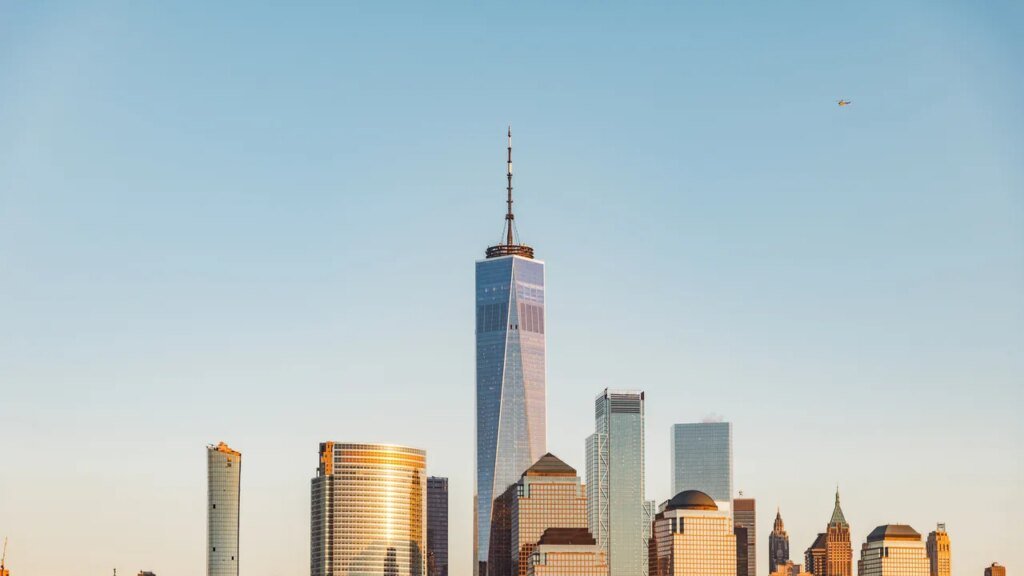
One World Trade Center, New York: 541 Meters Tall
Lastly, the One World Trade Center in New York stands tall at 541 meters and represents a powerful symbol of resilience following the tragic events of September 11, 2001. This impressive skyscraper, which is the tallest in the Western Hemisphere, features a sophisticated design with an emphasis on sustainability. It houses offices, observation decks, and a memorial park dedicated to those lost in the attacks. Beyond being a functional workspace, One World Trade Center stands as a reminder of New York City’s spirit and determination.
Conclusion
As we look up at these towering structures, it’s easy to appreciate their architectural beauty and the sophisticated technologies that make them achievable. From Burj Khalifa to One World Trade Center, each building tells a story of ambition, resilience, and innovation, reflecting the cultural identity and aspirations of their cities. The evolution of these skyscrapers not only reshapes skylines but also promotes urban life and inclusivity, where different functions coexist and larger communities come together. Exploring these iconic structures can offer insights into the architectural possibilities and cultural narratives of our times. As urbanization continues to rise, so too will the ambitions that fuel the construction of the next tallest buildings on our horizon.
This article is based on reporting from www.cntraveler.com.
The original version of the story can be found on their website.
Original Source:
www.cntraveler.com
Image Credit: www.cntraveler.com ·
View image


