


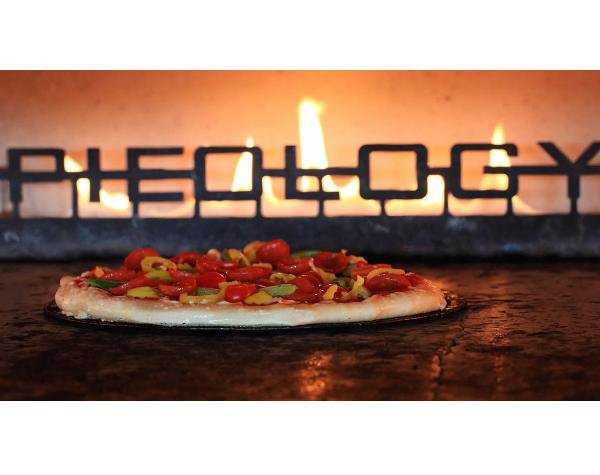
Title: Pieology Pizzeria’s Path to Restructuring: Understanding Its Chapter 11 Bankruptcy Filing
The landscape of the fast-casual dining industry is constantly shifting, and this week, one of its notable players, Pieology Pizzeria, made headlines by filing for Chapter 11 bankruptcy. The parent company, Little Brown Box Pizza LLC, submitted its bankruptcy petition in the U.S. Bankruptcy Court for the Central District of California. Founded by Carl Chang in 2011, Pieology has been a prominent figure in the fast-growing build-your-own pizza sector, known for its customization options that attracted a diverse clientele. However, the recent filing reflects ongoing challenges faced by many restaurants in a post-pandemic economy.
Founded in Fullerton, California, Pieology quickly rose to prominence, competing with other leading brands like Blaze Pizza. The popularity of the build-your-own pizza model allowed the chain to expand rapidly, resulting in a current footprint of 103 stores and a revenue of $101.8 million projected for 2024. Unfortunately, despite this growth and success, the company has accumulated significant liabilities, ranging from over $1 million to $10 million, prompting the need for restructuring through bankruptcy protection.
Chapter 11 bankruptcy is designed to offer companies a chance to reorganize their debts while keeping operations afloat. For Pieology, this may provide an opportunity to streamline operations and reevaluate its business strategy. The filing does not necessarily mean the end for the company; rather, it can serve as a fresh start, allowing Pieology to focus on its strengths—customization, quality ingredients, and customer experience—while shedding burdensome debts. This restructuring process could also help the brand regain its footing and adapt to the evolving demands of the restaurant industry.
The competitive landscape for fast-casual dining and pizza has intensified, especially as consumer preferences shift. Many customers now prioritize not only the taste but also the dining experience, making it essential for brands like Pieology to innovate. The company may need to explore new menu offerings, enhance its digital ordering capabilities, and improve sustainability efforts to resonate with an increasingly conscious consumer base. Focused marketing strategies could play an essential role in attracting a loyal audience amid a crowded market.
Despite the challenges, Pieology’s commitment to quality and customization has generated a devoted following. The potential for growth remains—if the company can emerge from bankruptcy with a clearer vision and enhanced operational efficiency. Engaging with loyal customers through social media and targeted promotions could be a way to rebuild and strengthen the brand.
In conclusion, Pieology Pizzeria’s Chapter 11 filing highlights the challenges facing many restaurant brands today. By utilizing this restructuring opportunity, Pieology can realign its operations and focus on what it does best—offering personalized pizza experiences. With thoughtful planning and engagement, the company could navigate its way back to a successful path in the evolving culinary landscape. As we monitor Pieology’s journey through bankruptcy, the broader industry can learn valuable lessons regarding resilience and adaptation in the fast-casual dining sector.
This article is based on reporting from www.ocbj.com.
The original version of the story can be found on their website.
Original Source:
www.ocbj.com
Image Credit: www.ocbj.com ·
View image