



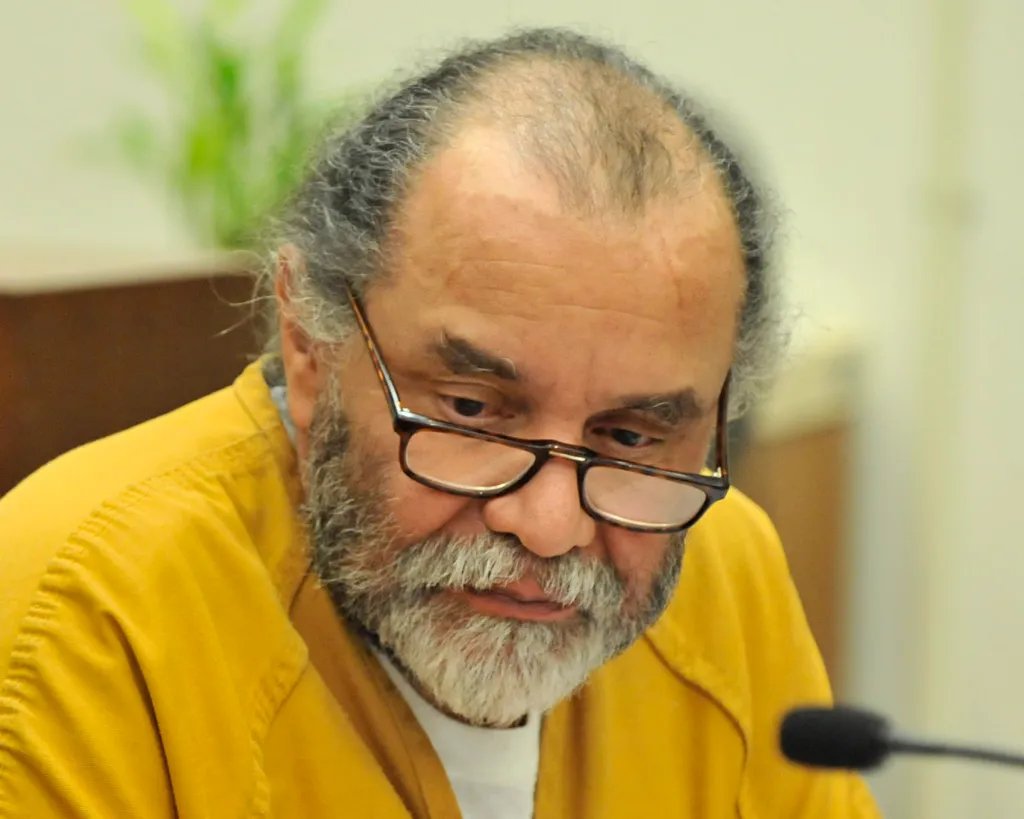
Death of Convicted Murderer Highlights Cold Case Breakthrough
On December 22, 2025, Benjamin W. Watta, a man sentenced to death for the brutal 1980 rape and murder of 70-year-old Simone Sharpe in Seal Beach, California, died in prison at the age of 80. This news was confirmed by the California Department of Corrections and Rehabilitation. Watta was found unresponsive in his cell at Pelican Bay State Prison, and though paramedics pronounced him dead shortly afterward, the exact cause of death is still pending investigation by the Del Norte County Coroner.
The Gruesome Crime that Shocked a Community
The murder of Simone Sharpe sent shockwaves through the Seal Beach community. On Christmas Eve in 1980, her son discovered her lifeless body in a neighbor’s home, where she was caring for their pets and collecting their mail. Sharpe had been raped, strangled, and suffocated, and her body was found in a horrific position between a bed and a wall. At the time, the crime remained unsolved, leaving a dark cloud over the community and her grieving family.
A Case That Went Cold
For decades, Sharpe’s murder remained a cold case. It wasn’t until 2001 that significant advancements in DNA technology led to a breakthrough. A task force formed by the local district attorney’s office, focused on identifying killers, rapists, and sexual offenders, re-examined unsolved cases. Utilizing DNA from a rape kit collected in 1980, they were able to link Benjamin Watta to the crime scene. This pivotal moment underscored the importance of forensic science in solving cold cases and provided fresh hope to families seeking justice for their loved ones.
From Arrest to Sentencing
In 2001, when the DNA evidence linked Watta to the murder, he was already incarcerated in Florida for the attempted murder of his then-ex-girlfriend. Following his extradition to California, Watta faced trial, where he was convicted in 2008 of murder during the commission of rape and burglary. The jury recommended the death penalty, and it was officially imposed in 2009. This verdict brought a sense of closure to the Sharpe family, who had waited nearly three decades for justice.
Death Row and the Moratorium
Watta spent his final years at Pelican Bay State Prison serving a condemned sentence, a site notorious for housing dangerous criminals. In 2019, current California Governor Gavin Newsom instituted a moratorium on the death penalty in the state, which has not conducted an execution since 2006. This policy has drawn both support and criticism, as it reignites ongoing debates about capital punishment and its efficacy in delivering justice.
Reflection on Justice and Closure
Benjamin Watta’s death marks the end of a complicated legal saga that began with a heartbreaking crime over 40 years ago. While some may argue about the morality of capital punishment, the case of Simone Sharpe serves as a reminder of the lingering scars that violent crimes leave on families and communities. The technological advancements that ultimately led to Watta’s apprehension highlight both the progress made in forensic science and the ongoing fight for justice in cold cases. As communities continue to cope with unresolved grief, stories like Sharpe’s remind us of the need for justice, healing, and, ultimately, closure.
This narrative not only preserves the memory of victims like Simone Sharpe but also emphasizes the importance of vigilance in the pursuit of justice for all forgotten souls.
This article is based on reporting from www.ocregister.com.
The original version of the story can be found on their website.
Original Source:
www.ocregister.com
Image Credit: www.ocregister.com ·
View image


