



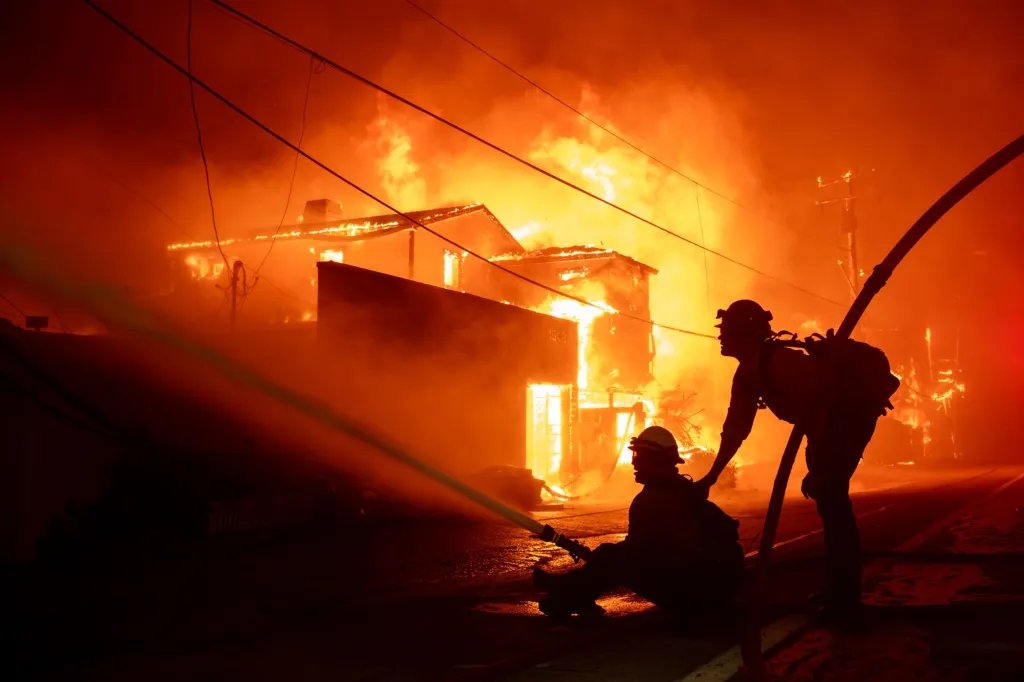
Understanding the Challenges of Fighting the Palisades and Eaton Wildfires
The Palisades and Eaton fires in California represent two of the most catastrophic wildfires in the state’s history. Investigating the multitude of factors that influenced the responses of first responders reveals essential takeaways for improving future operations. Resource allocation, emergency communication, staffing levels, and coordination across agencies all played critical roles in the effectiveness of these fire-fighting efforts. A year later, it is vital to assess the adjustments made in tackling these issues.
Pre-Positioning Resources Before Critical Events
In preparation for high-fire risk weather that commenced on January 7, the Los Angeles Fire Department (LAFD) took proactive measures by pre-positioning resources in strategic areas. This included directing firefighters and equipment to prepare for potential outbreaks. Furthermore, the Los Angeles County Fire Department mobilized multiple strike teams, effectively reinforcing their efforts to contain imminent wildfires. They committed 900 additional firefighters to enhance overall readiness. An initiative was also established to ensure more robust staffing during periods of heightened fire danger.
Addressing Staffing Shortages for Effective Response
One of the most glaring issues highlighted in the LAFD’s after-action report was the impact of understaffing. Due to budgetary constraints, staff from previous shifts were not retained for rapid response during the initial phases of the Palisades fire. Recognizing the critique, the LAFD vowed to immediately recall all available personnel and apparatus during emergencies, regardless of financial considerations. This shift reflects a necessary change in prioritizing quick response capabilities over cost-saving measures.
Enhancing Coordination Among Agencies
Coordination among various agencies emerged as a significant challenge during both the Palisades and Eaton fire incidents. The Los Angeles Police Department faced obstacles in effectively communicating with other first responders, particularly the LAFD. This lack of stable communication channels led to delayed evacuations and hindered the enforcement of safety measures. Subsequent reports suggested that joint training exercises be conducted, aiming to establish a unified command structure that could streamline operations in future emergencies.
Revamping Emergency Alerts and Communication Strategies
Timeliness in emergency notifications is paramount during natural disasters. During the Palisades and Eaton fires, many residents reported late evacuation warnings, particularly in West Altadena. An independent after-action report commissioned by the Los Angeles County Board of Supervisors identified various organizational inefficiencies and outdated protocols as contributing factors to these delays. In response, the Los Angeles County Fire Department initiated an investigation to understand why residents received alerts significantly after the fires had already begun to impact their neighborhoods.
The Essential Role of Air Support and Water Resources
Weather conditions significantly impacted firefighting strategies, especially concerning aerial support. On January 7, high winds dictated that aircraft were grounded, which delayed intervention efforts. However, once operational again, air support proved vital in controlling the spread of the fires. Additionally, the logistics of water supply management came into sharp focus. The Los Angeles Department of Water and Power struggled to meet the demand for water, exacerbating the firefighting efforts. In light of this, a statewide review was called for to identify solutions for ensuring adequate water resources during wildfires, reflecting the urgent need for infrastructural improvements.
Learning from Past Mistakes: Senior Centers and Infrastructure Issues
Investigations into the evacuations revealed that some senior facilities failed to comply with emergency protocols. Two facilities in Altadena and Pasadena were noted for leaving residents behind, leading to severe scrutiny of their emergency preparedness plans. As part of the larger regulatory response, Southern California Edison faced lawsuits from residents who believe the utility’s equipment ignited certain fires. Edison has initiated a compensation program for victims and announced plans to underground power lines in vulnerable areas, illustrating a proactive effort to minimize future wildfire risks.
Conclusion
As California continues to grapple with the threat of wildfires, the lessons learned from the Palisades and Eaton fires are crucial for shaping future responses. Improvements in resource allocation, staffing, agency coordination, and emergency communication are essential components that need addressing for effective wildfire management. The focus on upgrading infrastructure, specifically concerning water supply systems and power lines, presents an opportunity to enhance public safety long-term. It’s imperative to take these evaluations seriously to better protect communities in the future.
This article is based on reporting from www.ocregister.com.
The original version of the story can be found on their website.
Original Source:
www.ocregister.com
Image Credit: www.ocregister.com ·
View image


