






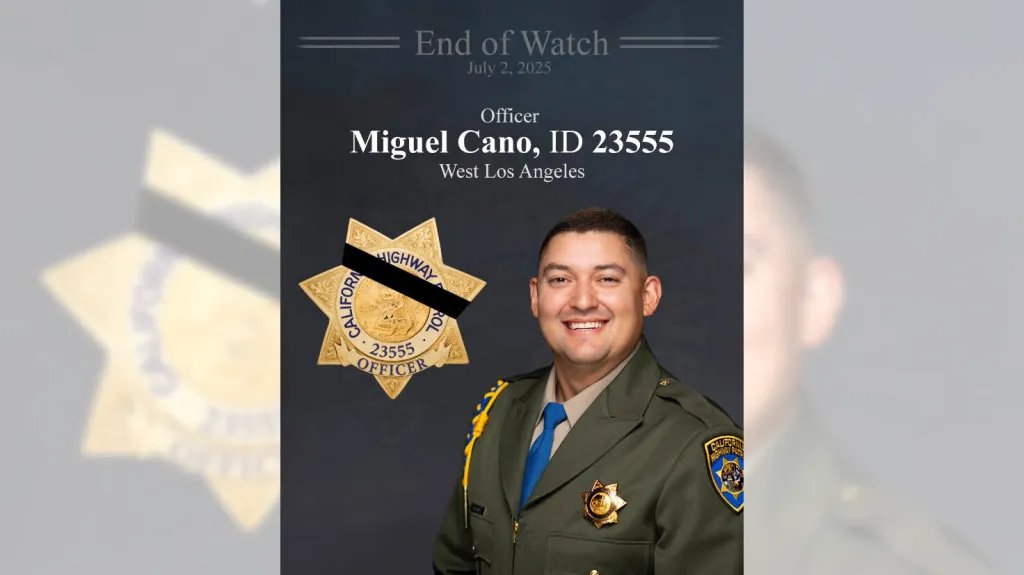
Tragic Loss of CHP Officer Due to Fentanyl Overdose: A Heartbreaking Incident
Introduction
The recent death of California Highway Patrol (CHP) officer Miguel Cano, 34, highlights the devastating effects of fentanyl, a powerful opioid that has been linked to numerous fatalities across the United States. This tragic incident unfolded on July 2, 2025, in Culver City, California, while Officer Cano was engaged in an essential duty – transporting a DUI suspect. Understanding the details surrounding this heartbreaking event can serve as a cautionary tale about the risks posed by fentanyl and other opioids.
The Incident Details
Officer Cano and his partner were driving their CHP cruiser at approximately 12:30 a.m. when the situation took a turn for the worse. Just blocks away from the CHP’s West Los Angeles office, Cano expressed that he was feeling unwell moments before losing control of the vehicle. The cruiser veered off the road and collided with a tree, resulting in Cano suffering from a fatal condition. Both his partner and the DUI suspect sustained minor injuries, but the focus remained on Cano as he was rushed to Ronald Reagan UCLA Medical Center.
Medical Findings
The Los Angeles County Medical Examiner’s Office later confirmed that Officer Cano’s death was primarily due to the effects of fentanyl. The analysis, albeit tragic, has once again shed light on the perils of opioid abuse and its potential to lead to accidental deaths. The medical examiner’s report stated that the exact circumstances under which the fentanyl entered Cano’s system could not be determined. However, the ruling was classified as accidental, highlighting the sudden and unforeseen nature of the event.
Cano’s Background
Officer Cano had a brief but impactful career with the CHP, having joined the department in 2023. He resided in Moreno Valley with his wife, Melissa, whom he married a decade ago in a unique ceremony held in a converted bullfighting ring in Zacatecas, Mexico. Their life together, although free of children, was filled with love and commitment. Cano’s death not only affects law enforcement colleagues but also reverberates through his personal life, leaving a profound void in his family.
The Bigger Picture: Fentanyl Crisis
This tragedy underscores the growing fentanyl crisis affecting communities across America. Fentanyl is a synthetic opioid that is significantly more potent than morphine, with a small amount capable of inducing a fatal overdose. The presence of fentanyl in everyday situations, including in law enforcement scenarios, has become alarmingly common. The ongoing fight against opioid abuse requires collective efforts from governments, healthcare professionals, and communities to mitigate the risks and provide education about the dangers associated with these substances.
Conclusion: A Call for Awareness
The loss of Officer Miguel Cano serves as a somber reminder of the unpredictable nature of the fentanyl crisis. As the story unfolds, it raises critical questions about safety, health, and the measures needed to protect those who serve and protect our communities. It’s imperative to spread awareness about the risks of opioid use, promote preventive measures, and advocate for support systems for those impacted by addiction. As communities come together to foster dialogue, a collective consciousness can emerge, potentially preventing future tragedies like this one.
This article is based on reporting from www.ocregister.com.
The original version of the story can be found on their website.
Original Source:
www.ocregister.com
Image Credit: www.ocregister.com ·
View image


