Fullerton City Council Rejects Immigrant Aid Funds Amid Financial Concerns
In a recent meeting following the Prop. 50 election, Fullerton city council members voted 3-2 against two proposals aimed at supporting immigrants in the community. The rejected proposals included a $100,000 legal defense fund and a similar amount for rent and grocery assistance. These initiatives were tabled primarily due to looming budgetary constraints, as city officials are forecasting a $10 million deficit by the end of the decade.
Councilman Nick Dunlap, one of the dissenting votes, expressed his concerns about financial responsibility. He noted that many areas in Fullerton are struggling with basic infrastructure deficits, stating, "We’ve got parts of our city where entire neighborhoods are without street lights." This perspective reflects a priority on community-wide improvements over targeted aid for specific populations. Dunlap’s stance resonates with some constituents who feel that city funds should be distributed broadly rather than concentrated on immigrant support.
On the other side of the debate, Councilman Ahmad Zahra and Councilwoman Shana Charles advocated for the proposals, highlighting the urgent needs of the immigrant community. Zahra emphasized that the proposed amount of $200,000 was a small investment compared to the city’s reserve funds. He argued that failing to support vulnerable residents contradicts the principles of a compassionate community. Charles described the federal immigration enforcement measures as a public health emergency, calling for immediate action to safeguard families against deportation fears.
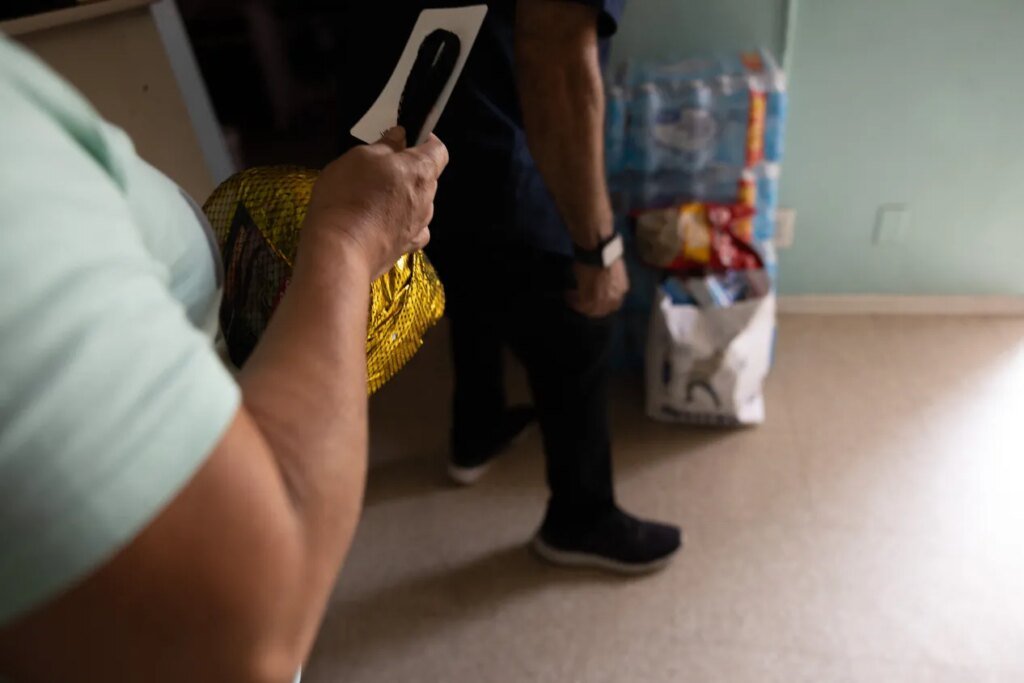
This disagreement comes at a critical juncture as the community braces for increased immigration enforcement, which has reportedly intensified since June. The USC Equity Research Institute indicates that approximately 16% of Fullerton’s 137,000 residents are undocumented or live with an undocumented family member. The fear surrounding deportation is palpable, affecting not just those directly targeted but also their families and the wider community. Local food banks are witnessing an alarming rise in hunger, which advocates attribute to economic hardships amplified by ongoing deportation sweeps.
Funding for the rejected programs was intended to come from the city’s general fund, which has about $27 million available after allocating $3.8 million to balance the current budget. Yet, the looming projected deficit of $9.3 million next fiscal year has instilled caution in council members. Councilwoman Jamie Valencia, who initially supported the inclusion of aid funds, raised concerns over prioritizing these aids amid the city’s vital infrastructure needs. She questioned whether the city could sustainably allocate funds without jeopardizing essential services.
Public sentiment surrounding the aid fund has drawn mixed reactions. Advocates for the immigrant community, including members of the Fullerton School Board, voiced their support at the council meeting. They argue that the well-being of immigrant families is directly linked to community stability and cohesion. They lament the loss of students whose parents have faced sudden deportation and emphasize the importance of keeping families together during challenging times.
Conversely, some residents opposed the aid proposals, citing fiscal responsibility and the belief that private organizations should undertake such initiatives rather than taxpayer-funded programs. Critics of the proposal argue that if community members genuinely believe in aiding immigrants, they should individually contribute funds rather than relying on government support.
As Fullerton grapples with this contentious issue, the debate over immigrant aid funding underscores broader socio-economic challenges and differing perspectives on community support strategies. The city council’s decision reflects the ongoing struggle between fiscal responsibility and advocating for vulnerable populations, leaving many immigrant families in uncertainty regarding their future in Fullerton.
As the situation evolves, it remains crucial for city officials and residents alike to engage in open dialogue. Balancing budgetary constraints with the pressing needs of the immigrant population is not merely a financial issue but a reflection of the community’s values and commitment to human rights. Moving forward, continuous advocacy and dialogue will be essential to find equitable solutions that uphold the integrity and inclusivity of all residents within Fullerton.
This article is based on reporting from voiceofoc.org.
The original version of the story can be found on their website.
Original Source:
voiceofoc.org
Image Credit: voiceofoc.org ·
View image