



Life Inside the Adelanto ICE Processing Center: A Deep Dive into the Human Experience of Detention
Abraham Torres Fernandez, a 60-year-old former shopkeeper from Cuba, embodies the profound challenges faced by those detained in the Adelanto ICE Processing Center. After fleeing his home country 18 years ago in pursuit of a better life in the United States, Fernandez found himself back in turmoil when federal Immigration and Customs Enforcement (ICE) agents apprehended him at a Tampa airport. Stripped of his hearing aids and left in silence for eight months, Fernandez’s experience sheds light on the broader issues within ICE detention facilities.
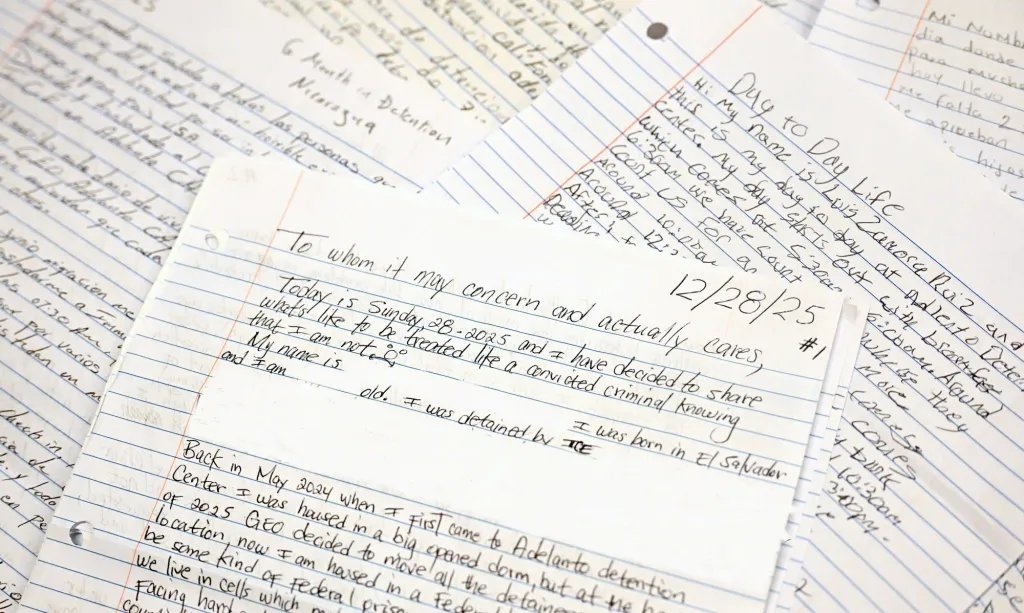
The conditions inside the Adelanto center reveal a troubling narrative. Fernandez’s account is not unique; numerous detainees have described an environment fraught with pain, monotony, and severe stress. Through handwritten letters and interviews with detainees at Adelanto, a disheartening picture emerges: inadequate food, insufficient medical care, and a lack of basic amenities. One detainee poignantly remarked that life inside the facility felt akin to "torture." Despite encountering hardships, many detainees continue fighting for their immigration cases, driven primarily by their desire to reunite with family members left behind.
The Structure and History of the Adelanto Center
Located in the Mojave Desert, the Adelanto ICE Processing Center can accommodate nearly 1,940 detainees, supplementing its capacity with the Desert View Annex, which can hold an additional 750 individuals. Operated by the private-prison company GEO Group, the center has often been criticized for its treatment of detainees. Since a surge in ICE detentions in early 2025, particularly under the intensified enforcement policies of the Trump administration, the facility has witnessed a dramatic increase in its population, reaching approximately 1,786 individuals by November. The surge is alarming, especially considering that the majority of those detained lack criminal convictions.
Detained individuals hail from diverse backgrounds, including Mexico, Nicaragua, Malaysia, El Salvador, Costa Rica, and Cuba. Their experiences at Adelanto vary significantly, but common themes persist in their narratives: prolonged uncertainty about their fates, longing to reunite with loved ones, and the ever-present stress stemming from inadequate medical care. As these detainees endure these hardships, their resilience shines through, revealing the many ways they cope while confined within the facility’s walls.
Appalling Medical Conditions
Among those detained at Adelanto is Jose Mauro Salazar Garza, who has spent nearly three years at the facility. Garza’s experience illustrates the alarming negligence towards medical care in detention centers. In his case, he lost part of a finger following an altercation with another detainee, yet he waited months for proper treatment. The neglect he faced, compounded with painful living conditions, exemplifies an alarming trend in ICE detention facilities where medical requests can take weeks to respond to, if at all.
Detainees have reported terrifying experiences in which individuals collapsed from untreated illnesses, revealing a systemic failure in the medical system within Adelanto. The lack of urgency in addressing medical problems has fostered a pervasive sense of fear among detainees who are hesitant to request care for fear of the consequences. Many have found it necessary to create cleaning schedules to avoid illness because they know how long it can take to receive even basic medical treatment.
Reports of Abuse and Neglect
The issues of abuse and neglect in the Adelanto ICE Processing Center have been corroborated by a recent proposed class-action lawsuit filed by detainees and an L.A. nonprofit. This legal action specifically highlights the lack of experienced staff in light of the burgeoning population. Allegations of inhumane conditions circulating around the facility draw from numerous documented incidents associated with inadequate staffing, poor sanitation, and neglect of detainees’ basic needs.
A report from the Office of Inspector General in 2018 illuminated serious violations of standards within Adelanto, including the presence of nooses made from braided bed sheets in cells. Additionally, Disability Rights California’s findings in 2025 specifically noted abuses faced by individuals with disabilities detained at the facility. Tragically, there have also been documented deaths due to inadequate medical treatment, further underscoring the pressing need for accountability and reform.
Religious Faith and Community Building
Despite the oppressive atmosphere, many detainees, like Garza, find solace in spirituality and community. Engaging in religious practices helps them cope with the harsh conditions of detention. Detainees organize services to create a supportive environment, where they can share their burdens and foster hope amid despair.
Men like Aaron Micó-Vargas lead worship sessions in multiple languages, illustrating how faith serves as a lifeline and source of strength within the degrading environment of Adelanto. While these moments of communion provide emotional respite, detainees still confront the stark reality of daily life within the facility. The limited freedom they experience outside in a fenced area starkly contrasts with their longing to reconnect with their families.
The Struggles for Legal Representation and the Way Forward
Detainees at Adelanto face overwhelming obstacles in pursuing their immigration cases. The administrative backlog in U.S. immigration courts compounds their difficulties, significantly slowing down the process of seeking legal recourse. This bureaucracy is exacerbated by the lack of access to updated legal resources and the emotional toil of the detention experience.
Many detainees struggle to obtain legal representation due to pre-existing financial barriers and the constraints of their environment. The absence of a prisoner’s right to counsel in immigration court puts them at a profound disadvantage. As they navigate this complex system, the hope of reunification with family serves as a motivating force, even when confronted with the stark reality of their conditions.
In response to the ongoing crisis, there are calls for legislative reforms, including the introduction of bills aimed at increasing oversight over ICE detention centers in California. Advocates for detained individuals are pressing for accountability regarding health and safety violations perpetrated by private detention facilities. Senator Sasha Renée Pérez’s Masuma Khan Justice Act is one promising effort to open dialogues on reform and enhance the protection of detainees’ rights.
Conclusion
The experiences shared by individuals like Abraham Torres Fernandez and Jose Mauro Salazar Garza paint a sobering picture of life inside the Adelanto ICE Processing Center. Their stories expose a troubling reality where human dignity is often overshadowed by systemic negligence, abuse, and bureaucratic red tape. While these men continue to fight for their freedom and the right to return home to their families, their resilience highlights the crucial need for reform in the immigration detention system. As the movement for justice continues, it is imperative to recognize and uphold the rights and dignity of every individual, regardless of their immigration status, while pushing for meaningful change to secure a more humane future for all.
This article is based on reporting from www.ocregister.com.
The original version of the story can be found on their website.
Original Source:
www.ocregister.com
Image Credit: www.ocregister.com ·
View image


