



Understanding Los Angeles Pedestrian Laws: Safety, Enforcement, and More
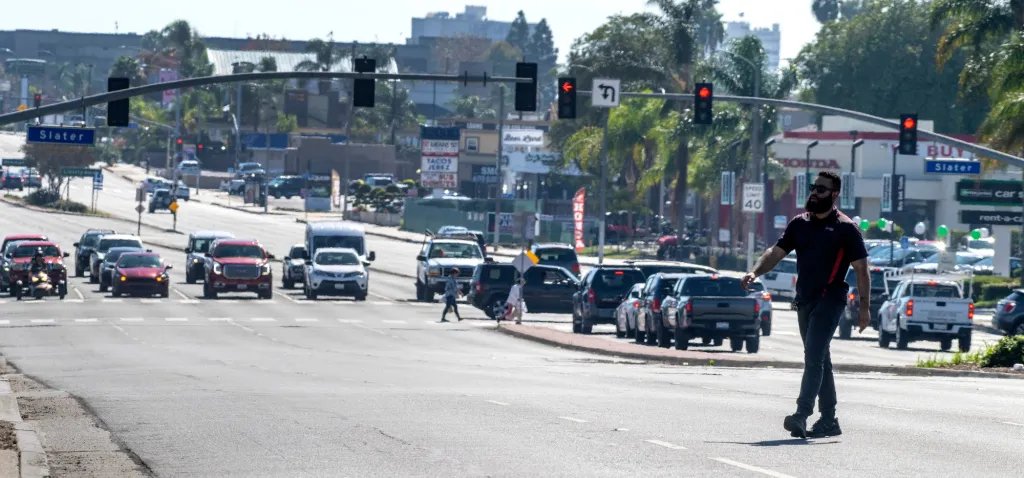
In recent news, the Los Angeles Police Department (LAPD) has been utilizing undercover officers and decoys to enforce pedestrian safety measures. This unconventional approach involves officers in plain clothes crossing busy streets while motorcycle officers are poised to ticket motorists who fail to yield. With this controversial enforcement strategy raising eyebrows, many are left pondering: since when do jaywalkers have the right of way, and is this a common practice in Los Angeles?
Recent Legislation on Pedestrian Rights
In 2023, a new state law significantly altered how pedestrian jaywalking is regulated in California. The previous laws allowed officers to cite pedestrians for crossing mid-block under certain specified conditions, but the updated regulations stipulate that officers can now only issue citations if the pedestrian’s actions create an unsafe situation. This means that pedestrians can generally cross the street without the fear of a ticket as long as they don’t compel drivers to slow down drastically. As pedestrian safety becomes paramount, the LAPD’s undercover tactics aim to adapt to these changes while promoting safe behaviors on the road.
The Role of Crosswalks and Driver Responsibilities
Under the law, drivers must yield to pedestrians in crosswalks, even if those crosswalks are unmarked. This applies not only to traditional intersections but also to T-intersections, thus safeguarding pedestrian rights. Pedestrians have the right to cross at unregulated intersections as long as they allow drivers ample time to stop, thereby minimizing potential accidents. This ongoing adjustment in state law underscores the fine balance between pedestrian rights and driver responsibilities, creating a more complex landscape for enforcement and compliance.
LAPD’s Rationale Behind Aggressive Enforcement
Amid criticisms of aggressive enforcement, the LAPD has defended its actions by citing alarming statistics. In the San Fernando Valley alone, 39 people were killed, and another 150 were seriously injured in pedestrian-related accidents through December 11 of this year. The department’s goal is to mitigate these tragic incidents by raising awareness and promoting safe driving behaviors among motorists. Critics may view these tactics as excessive, but city officials believe they are necessary to drive home the message of pedestrian safety and take proactive measures in a city known for its notorious traffic conditions.
Historical Context of Traffic Enforcement in Los Angeles
Los Angeles has a long-standing reputation for its traffic complexities, making traffic safety a pressing concern. The historical context of pedestrian enforcement highlights how cities evolve to address unique urban challenges. The recent shift in pedestrian laws reflects broader societal changes, including a growing recognition of pedestrian rights and safety. As cities around the globe grapple with similar issues, Los Angeles has become a case study for balancing enforcement with public safety, as demonstrated by the LAPD’s unique strategies.
Clarifications on License Plate Regulations
In another inquiry, a reader sought clarification on the status of 1984 Olympics license plates. Individuals who possess these plates can still renew their registration, but new requests to acquire these plates are no longer accepted. This revelation provides peace of mind for those who wish to maintain their unique commemorative plates. As the impending 2028 Olympics in Los Angeles draws near, speculation arises about the potential for new commemorative plates, although no such plans have been confirmed yet.
Conclusion: The Future of Pedestrian Safety and License Plate Regulations
The ongoing discussions regarding traffic enforcement and pedestrian safety reflect a growing awareness of the need for adaptive measures in urban planning. With new laws, aggressive enforcement tactics, and nostalgic conversations about license plates, the dialogue around traffic safety in Los Angeles is far from over. As officials continue to navigate the complexities of pedestrian rights and vehicle laws, residents are encouraged to stay informed and engaged in these discussions for the shared goal of enhancing public safety on the roads.
For more insights and to share your thoughts, don’t hesitate to reach out to our community. Your input could shape the future of pedestrian safety and traffic regulations in Los Angeles.
This article is based on reporting from www.ocregister.com.
The original version of the story can be found on their website.
Original Source:
www.ocregister.com
Image Credit: www.ocregister.com ·
View image


