



San Clemente Considers Surveillance Cameras: An In-Depth Look at Community Concerns
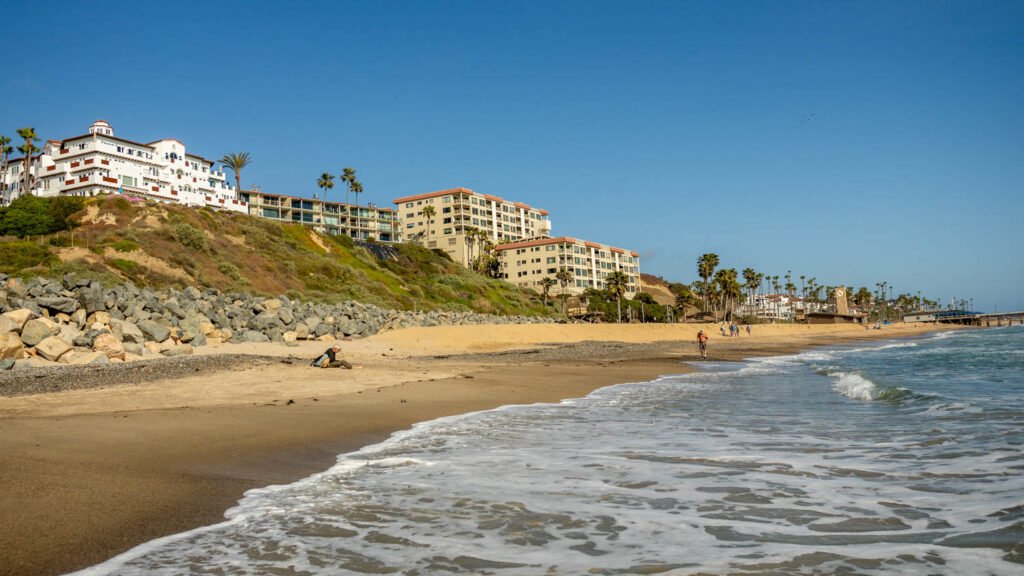
As immigration issues continue to escalate in California, San Clemente City Council is currently weighing the proposal to install surveillance cameras aimed at monitoring the coastline for immigrants arriving by panga boats. This initiative emerges during a backdrop of increased federal immigration raids, leading to heightened concerns among residents about privacy and the impact of federal actions on local communities.
Proposal Overview
In a recent council meeting, the San Clemente City Council voted unanimously to direct city staff to prepare a lease agreement allowing U.S. Customs and Border Protection (CBP) to install cameras overlooking the coastline. The proposed lease, which spans 20 years at a nominal cost of $120 annually, has raised eyebrows due to its implications for personal privacy. Councilman Mark Enmeier expressed his unease, stating that he seeks explicit privacy protections in the lease document. The planned surveillance is expected to provide monitoring capabilities for CBP from a regional headquarters in Long Beach, leveraging maritime technology that could cost over $1 million.
Community Response
The proposal has sparked significant pushback from residents who voiced concerns at the council meeting. Many residents questioned the rationale behind the need for surveillance, arguing the lack of evidence supporting an increase in panga landings. One resident highlighted the worrying trend toward a surveillance state, calling on local leaders to resist “Orwellian” surveillance tactics. Critics suggest that allowing federal oversight would further instill fear within immigrant communities as many are already grappling with the impacts of current deportation sweeps.
Safety versus Privacy
City officials, including Mayor Steve Knoblock, maintain that the proposal is rooted in public safety, as irregular immigration via panga boats has been a growing concern. During the meeting, Knoblock pointed out that San Clemente has witnessed multiple panga landings, and the surveillance could prevent potential tragedies similar to those seen in other coastal areas. However, the concerns raised highlight an ongoing tension between the necessity for safety measures and the preservation of personal privacy rights.
Legal Considerations
Councilman Zhen Wu raised potential conflicts with California’s sanctuary law (SB 54), which limits local law enforcement’s collaboration with federal immigration authorities. Legal uncertainties surrounding this lease have also prompted discussions among council members. City Attorney Elizabeth Mitchell stated that while she could not guarantee outcomes, the implications of such agreements have not been firmly tested in court. Residents are wary that engaging in a partnership with federal officials might compromise the city’s commitment to supporting immigrant populations.
Alternative Approaches
Interestingly, San Clemente’s contemplation of enhancing federal surveillance comes amidst neighboring cities, such as Anaheim, Costa Mesa, and Santa Ana, which are developing immigrant support programs. These cities have been favoring approaches that offer assistance and advocate against deportation raids, contrasting sharply with San Clemente’s potential move toward increased federal oversight. Many residents believe that the council should rethink its stance and focus on building supportive measures for immigrant communities instead of heightened surveillance.
Conclusion
As San Clemente navigates the delicate balance between security and civil liberties, the debate surrounding federal surveillance cameras highlights broader social challenges within California. The prospect of monitoring the coastline raises questions about the impact of immigration policy on local concerns, civil rights, and community trust. As many in the council and the community urge caution, the ultimate decision by city officials will not only shape local governance but could also resonate through the broader discussion on immigration practices and federal interactions in the state. The outcome remains to be seen, but it is clear that community voices will play a significant role in shaping the future of San Clemente.
This article is based on reporting from voiceofoc.org.
The original version of the story can be found on their website.
Original Source:
voiceofoc.org
Image Credit: voiceofoc.org ·
View image


