Innovative Research at UCI’s Falling Leaves Foundation Medical Innovation Building: Pioneering Cures for Critical Diseases
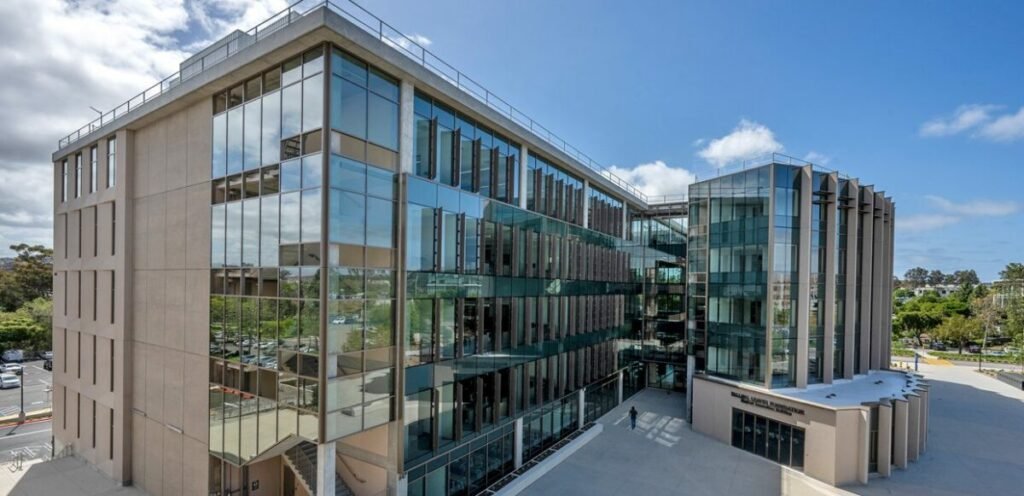
The Falling Leaves Foundation Medical Innovation Building at the University of California, Irvine (UCI) is a beacon of hope in the fight against serious diseases such as cancer, Alzheimer’s, and blindness. Opened in May 2023, this state-of-the-art facility integrates 13 dynamic research programs focused on cutting-edge gene and cellular therapies, as well as vaccines. Dr. Steve Goldstein, UCI’s Vice Chancellor for Health Affairs, emphasizes that what initially seems impossible—like curing inherited blindness—may soon be within reach, thanks to the groundbreaking work being conducted in this remarkable building.
A Financial Commitment to Innovation
The Falling Leaves Building represents a significant investment in medical research, thanks to a generous $30 million donation from Adeline and Robert Mah, delivered through their Falling Leaves Foundation. This donation was followed by an additional $20 million in 2024 to support construction and create endowed research funds for centers focused on molecular innovation and vaccines. The total fundraising for the project has reached an impressive $81 million, demonstrating community commitment to advancing healthcare solutions. UCI Health adds further significance with their ranking as the largest hospital in Orange County, reporting $2.8 billion in revenue, underscoring the vital role this facility will play in the local healthcare ecosystem.
Interdisciplinary Collaboration: A Unique Approach
Located at a prime intersection in Orange County, the Falling Leaves Building spans six floors and 215,000 square feet, positioning itself as one of the premier interdisciplinary research hubs on the West Coast. Unlike other biomedical research facilities, it boasts a singular focus on project-driven medical innovation, intertwining various healthcare disciplines. The formation of the 13 research programs reflects a distinct philosophy, as researchers themselves shaped their proposals based on internal and external reviews, ensuring a targeted approach to pressing medical issues. With lab spaces now active, faculty and researchers are bursting with enthusiasm, collaborating more effectively than ever before.
Addressing Diabetes: A Key Health Concern
Among the notable programs is the UC Irvine Diabetes Center, led by Dr. Qin Yang. This center aims to uncover why certain individuals are predisposed to diabetes, a metabolic disease affecting 37 million Americans. With a unique interdisciplinary team evaluating both Type 1 and Type 2 diabetes, the center highlights the epidemic’s severity, particularly in areas where nearly half of the adult population is impacted. Dr. Yang emphasizes the need for diverse skills within the research team, as diabetes affects multiple organs. The facility’s conducive environment fosters collaboration, leading to innovative discussions and potential breakthroughs in diabetes research.
Advancing Neuroscience Research for Brain Injuries and Alzheimer’s Disease
The Stem Cell Research Center shares its space with the Diabetes Center to pursue advancements in neuroscience. Led by co-directors Brian Cummings and Leslie Thompson, the center specializes in stem cell-based therapies targeting neurodegenerative diseases, including Alzheimer’s, Huntington’s, and brain injuries. Cummings’ focus on developing neural stem cell therapies indicates a promising avenue for tackling traumatic brain injuries (TBI) and the long-term effects of concussions, commonly faced by athletes and military personnel. Collaborations may lead to groundbreaking therapies that activate dormant cells to combat inflammation associated with brain injuries.
Innovative Treatments for Blindness
In a remarkable endeavor, the Falling Leaves facility houses programs aimed at curing inherited blindness. Dr. Krzysztof Palczewski, director of the Brunson Center for Translational Vision Research, and his team are utilizing gene therapy and non-invasive imaging technology to reverse eye cell degeneration. The ambitious goal of eradicating inherited blindness within the next decade exemplifies the building’s potential to deliver miracles. By working on mouse models and collaborating with clinicians specializing in human applications, researchers are on a promising path toward restoring sight to those affected.
Improving Pediatric Epilepsy Care and Skin Health
Lastly, the Epilepsy Research Center (EpiCenter) focuses on developing treatments for epilepsy, especially in children affected by genetic disorders. With a pipeline of innovative therapies, the EpiCenter aims to revolutionize epilepsy treatment and commercialize new products. Meanwhile, the Interdisciplinary Skin Science Program tackles inflammatory skin diseases, producing groundbreaking research that has already led to successful startup companies in the biopharmaceutical sector.
The Falling Leaves Foundation Medical Innovation Building at UCI signifies an era of interdisciplinary collaboration and innovation, a sanctuary where science meets hope. As researchers accelerate their efforts to find cures for complex diseases, the promise of medical breakthroughs becomes more tangible with every passing day. The facility not only champions healthcare research but also reassures communities nationwide that significant strides are being made toward conquering some of the most challenging health conditions of our time.
This article is based on reporting from www.ocbj.com.
The original version of the story can be found on their website.
Original Source:
www.ocbj.com
Image Credit: www.ocbj.com ·
View image