



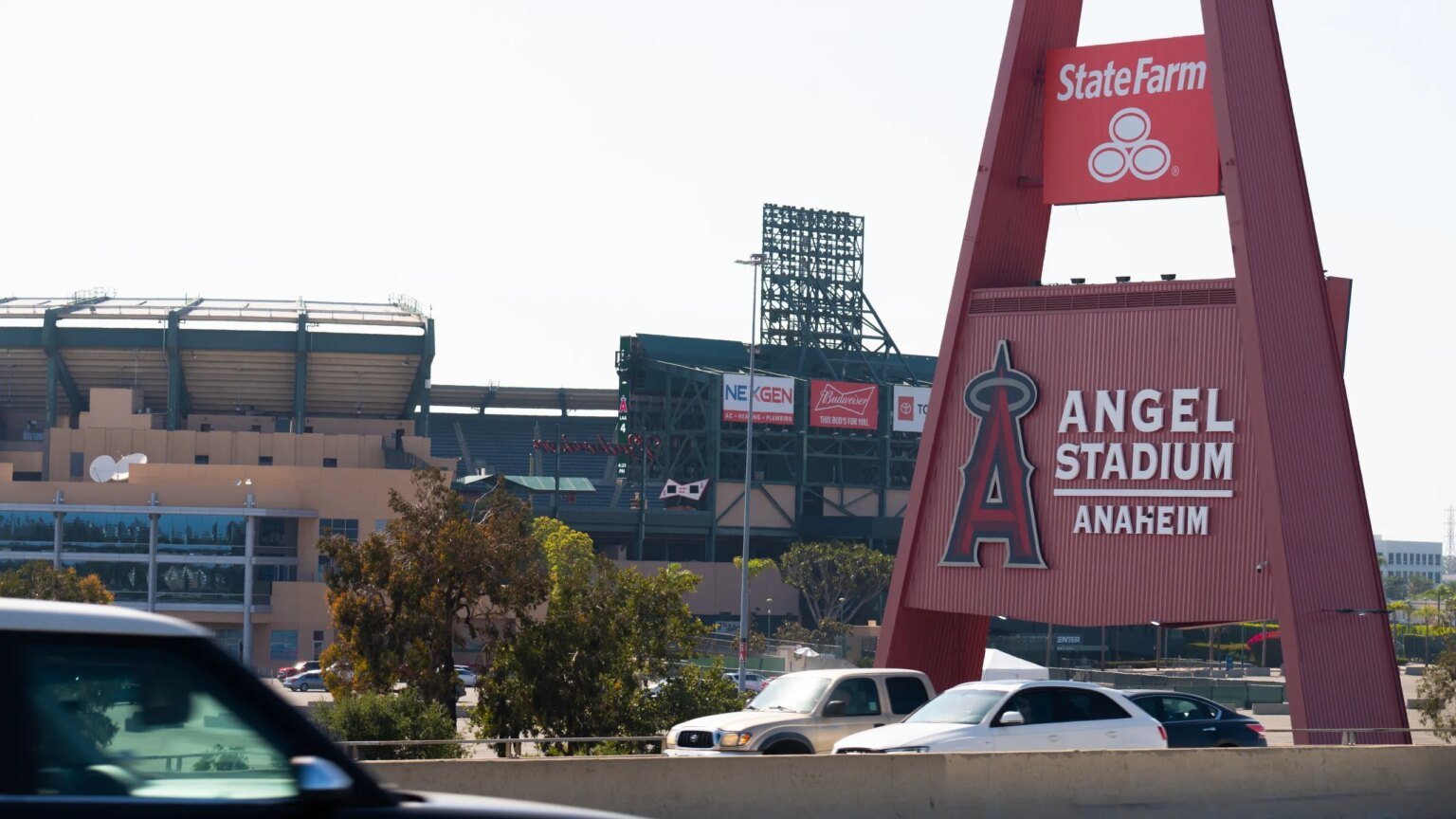
On a sun-drenched Tuesday in Anaheim, where families gather and thrill-seekers flock, the topic of Angel Stadium once again reverberated through the city council chambers. In a voice that echoed across the room, Deputy City Manager Ted White stood to announce a pivotal moment: the potential future of Angel Stadium was back on the negotiating table. This announcement comes years after turbulence stemming from a corruption scandal involving city officials—a shadowy chapter that ultimately led to the imprisonment of former Mayor Harry Sidhu.
Anaheim City Council Puts Angel Stadium Back in Play
During the recent public workshop focused on the city’s strategic plan, city staff urged council members to initiate discussions on the Surplus Land Act with the state Housing and Community Development Department. “We believe the time is right to engage in preliminary conversations,” White stated, emphasizing the pandemic-era need for revitalized economic growth: “Moving a project forward could positively impact the Southern California economy.”
Community Engagement: A New Direction
This week’s council meeting marked a notable shift from past negotiations, which often unfolded behind closed doors and engendered public distrust. Mayor Ashleigh Aitken and Councilwoman Norma Campos Kurtz stressed the importance of community input before any formal agreements materialize regarding the stadium. “It’s critical to understand what the community wants to see there,” Kurtz remarked. Her assertion reflects a newfound commitment from city officials to foster transparency, evident in statements made during Tuesday’s meeting.
Council members framed public outreach as essential: “We need to ask residents how much they are willing to invest to keep the baseball franchise versus exploring options for unrestricted land use,” Aitken proposed. This proactive approach signals both a recognition of past missteps and an aspiration for more inclusive governance.
A Chapter of Shadows: Corruption and Community Distrust
To appreciate the gravity of this moment, one must first revisit the turbulence that enveloped Angel Stadium’s fate. The FBI’s investigation into Mayor Sidhu and city dealings had exposed a nefarious underbelly to Anaheim’s governance. The scandal, which included accusations of conspiracy and corruption, ultimately left a bitter residue on civic trust. In January, Sidhu was sentenced to two months in prison for lying to federal investigators about the failed stadium sale.
The previous attempt to sell Angel Stadium, shrouded in secrecy and urgency, culminated in an investigation that concluded city officials had “betrayed” residents. This outcry was echoed in a report by the Orange County Grand Jury, emphasizing that hurried negotiations eroded trust. “The council needs to engage openly with the community about past failures,” noted political scientist Dr. Elena Vargas from the University of Southern California. “Public perception can be improved, but only through sincere dialogue.”
Future Prospects: Beyond the Ballpark
Despite the cloud of past controversies, the council is now open to exploring various pathways for Angel Stadium’s future, prompting an intriguing discussion on potential developments. Ideas have been thrown around for redeveloping the property into a broader sports complex, potentially serving as a venue for both local and traveling tournaments.
- Enhanced Revenue Streams: Possible development could address budgetary needs, with the city facing a $60 million deficit in recent years.
- Tourism Boost: A multi-purpose facility may attract tourism, complementing Disneyland’s allure and increasing local footfall.
- Community Engagement: Opportunities for public sports fields and community events could foster local ownership and pride in the area.
Councilwoman Natalie Rubalcava emphasized the necessity of a public forum to scrutinize the options available for Angel Stadium. “A dedicated meeting can lead to a better understanding of what we want to do,” she expressed, urging her colleagues to open discussions transparently.
Legal Hurdles: A Complicated Land Status
Any prospective discussion brings forth complexities surrounding the Surplus Land Act, a California law mandating public agencies to prioritize affordable housing when selling surplus land. “The state has genuinely constrained our options regarding Angel Stadium,” Councilman Ryan Balius remarked, highlighting the legal entanglements that will complicate any forward movement.
With the current lease keeping the Angels at the stadium through at least 2032, city leaders face a dilemma. Council members agreed to consult with state officials and better understand their legal limitations before gathering community feedback. “It’s important that the public knows what we’re able to offer,” Councilman Carlos Leon added, setting a clear goal going forward.
A Renewed Hope?
As discussions unfold, it remains to be seen whether this new strategy will effectively restore public trust and re-engage residents in an inclusive conversation about their city’s operations. Many hope that this shift from secrecy to transparency may herald a new era for Anaheim’s civic life, where residents feel empowered to voice their opinions and be active participants in shaping their community’s future. A previous era of shadowy negotiations may be fading, giving way to a more informed and participatory civic atmosphere.
In a city where the echoes of past failings still linger, only time will tell if the renewed dialogue transforms Angel Stadium into a beacon of community collaboration rather than a site of political controversy.


