



Birding and Community Engagement: Exploring Nature in Orange County
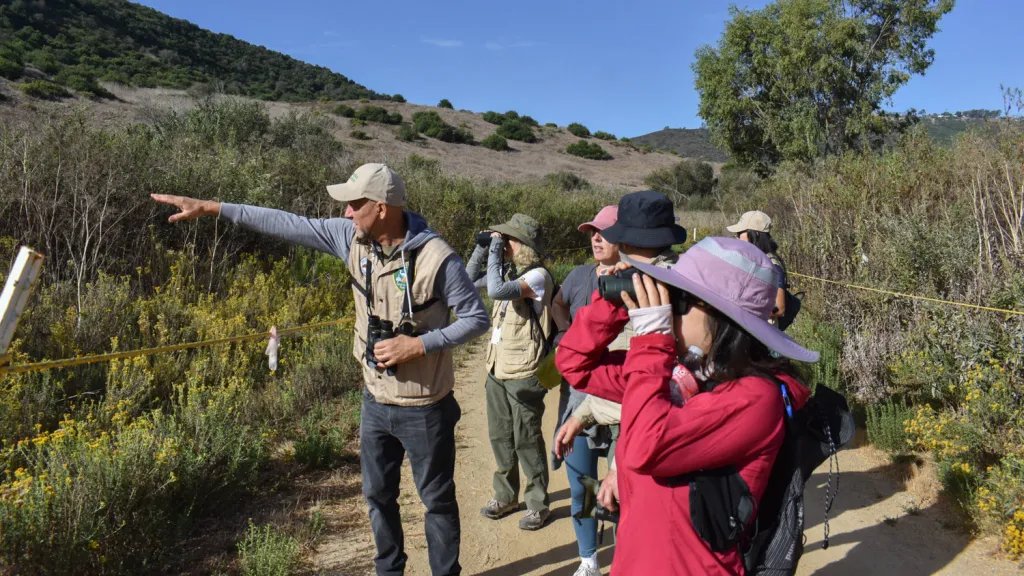
With binoculars in hand and the crisp morning air energizing their spirits, an enthusiastic group of bird watchers sets out at the Bolsa Chica Ecological Reserve. As they trek along the trails, laughter fills the air, accompanied by the soft rustle of leaves and the occasional call of a distant songbird. This gathering, occurring weekly, embodies a growing movement in Orange County—a blend of community engagement and environmental education, fostering a stronger connection between residents and the natural world.
The Nature of Bird Watching
The Science Behind Birding
Bird watching—once seen as a solitary pastime—is transforming into a vibrant community activity. Dr. Emily Harris, a leading ornithologist at UC Irvine, notes, “Birding is as much a social event as it is an observational one. It encourages cooperation among individuals and instills a sense of responsibility towards wildlife conservation.”
Research conducted by the National Audubon Society in 2022 revealed that communities with active birding events reported a 25% increase in local wildlife sightings, as citizens become more aware of their surroundings.
- Benefits of Bird Watching:
- Enhances mental well-being through outdoor activity.
- Strengthens community bonds and engages diverse populations.
- Promotes environmental stewardship and education.
Programs in Orange County
Local initiatives at parks like Bolsa Chica and Irvine Ranch Open Space are resonating among diverse age groups. Families and individuals participate in vibrant bird walks guided by enthusiastic volunteers, where novices learn to identify various species alongside seasoned birders. “When we see families connecting with nature, it inspires hope,” says John Turner, a volunteer coordinator for the birding events at Bolsa Chica.
Community Engagement Through Nature
A Hub for Activities
These bird watching events unfold within a tapestry of other environmental activities within Orange County. Beyond merely observing avian life, community members engage in ecological restoration projects, such as the ongoing habitat restoration at Upper Newport Bay. “People often find that once they learn about the biodiversity around them, they want to give back,” explains Emma Arago, a resource specialist at OC Parks.
Volunteer Opportunities
Community members can engage further through volunteer opportunities, encompassing tasks from removing invasive plant species to conducting bird counts. Research from the Orange County Community Foundation indicates that volunteers report a 30% higher satisfaction regarding their quality of life, attributing this to their direct involvement in local conservation efforts. “Volunteerism is a two-way street: we help the environment, and the environment helps us,” adds Arago.
Inclusive Outdoor Activities
Activities for All
The dedication to nature extends into various other programs aimed at including all ages. Events range from “Read to a Dog” sessions for children, where they develop reading skills in a comforting environment, to elaborate hikes offering challenges for seasoned outdoor enthusiasts. “Our aim is to make outdoor activities accessible to everyone, regardless of their skill level,” states Turner.
The upcoming “ultra-distance hike” scheduled next month at the Irvine Ranch Open Space illustrates this commitment. Covering a grueling 17.5 miles with significant elevation gains, it not only challenges experienced hikers but also encapsulates the essence of communal spirit, as participants support each other through the physically demanding course.
Moreover, these initiatives are impactful. They prompt residents to rethink their relationships with local environments, illustrating how communal gatherings can foster a deeper appreciation for biodiversity.
The Role of Education
Fostering Awareness and Conservation
Educational components of these activities are paramount. Workshops on environmental conservation, showcasing the importance of native species, are integral to the skills and knowledge shared among participants. Through these sessions, residents learn about the significance of habitats and sustainable practices.
“Education is essential to conservation. When people understand the intricacies of ecosystems, they’re less likely to take them for granted,” asserts Dr. Harris. Her studies indicate that community-led educational initiatives can enhance local conservation efforts by over 40%. The data corroborates the sentiment that knowledge is power, directly translating to responsible environmental stewardship.
Building a Sustainable Future
Orange County’s commitment to merging community engagement with ecological conservation paints a hopeful picture for sustainable living. The influx of new participants in birding programs epitomizes a growing consciousness concerning environmental issues, expanding the efforts to preserve local natural beauty.
As this community spirit continues to thrive through events filled with laughter, learning, and wildlife observation, it positions Orange County as a leading example of how local initiatives can create lasting change in both individuals and ecosystems alike. Gathering weekly to observe, learn, and connect, residents find more than just birds; they discover a community enriched by harmony with nature.


