



California’s Redistricting Shake-Up: Targeting Key Swing Races in 2022 Midterms
California’s recent redistricting has created a fertile ground for competitive races ahead of the 2022 midterm elections, altering the political landscape significantly. One standout contest will be the battle for the 48th Congressional District, where eleven Democrats are gearing up to challenge long-time Republican Rep. Darrell Issa. With the newly drawn, slightly blue district, this race has become a pivotal swing seat in the state. In contrast, Rep. Mike Levin’s Southern California district has become more Democratic-leaning, creating a clear divide in this election cycle.
A New Map, New Opportunities
The redistricting process in California, set in motion by Proposition 50, aims to counter the Republican stronghold represented by Texas. Approved by voters in a special election, this new map enhances Democratic chances in several districts, most notably Issa’s formerly solid Republican stronghold, which has now shifted to provide a more favorable environment for Democrats. Analysts estimate that the shift will go from a 12-point Republican advantage to a 4-point Democratic lead in voter registration, enhancing the competitiveness of the race.
This revamped landscape has drawn out a mosaic of challengers, including previous candidates and local leaders. Names like Amar Campa-Najjar and San Diego City Council Member Marni von Wilpert are making headlines in this crowded field, each presenting unique advantages and affiliations. The both of them, alongside other contenders, now have the opportunity to position themselves as the face of the new Democratic wave in the district.
Congressional Contest Dynamics
The 48th District has experienced a geographic shift, losing conservative East County territories while incorporating liberal hubs like Palm Springs, a city where Democratic voters outnumber Republicans four to one. This new composition means that candidates must navigate a complex landscape of ideologically diverse voters. The emerging Democratic candidates, especially those from the Coachella Valley, will need to broaden their appeals beyond their liberal bases to attract moderate and independent voters in the more diverse San Diego area.
Political experts suggest that this race is already shaping up to be one of the most competitive in the nation. Observers note that while some candidates bring progressive credentials, understanding the need to appeal to a wider audience will be crucial for success in the primaries and beyond. Campaign strategists advise that candidates must not only be relatable to the traditional Democratic base but also possess the ability to attract votes from centrist voters in this swing district.
Contenders and Their Strengths
Among the frontrunners, both Campa-Najjar and von Wilpert have garnered significant endorsements. Von Wilpert is backed by prominent figures like former Senator Barbara Boxer, while Campa-Najjar has received support from a host of congress members. Both candidates have compelling narratives to present to the electorate; von Wilpert leverages her city council experience and commitment to working families, while Campa-Najjar counts on his familiarity from his 2020 campaign against Issa.
The uniqueness of this race lies in its crowded nature, which poses both challenges and opportunities. While multiple contenders could split the vote in the primary, the intense competition has the potential to galvanize support for the eventual nominee. This indicates that whoever emerges from the primary will not only be battle-tested but will also have had the chance to sharpen their campaign strategies, making them formidable going into the general election.
Issa’s Challenge and Political Landscape
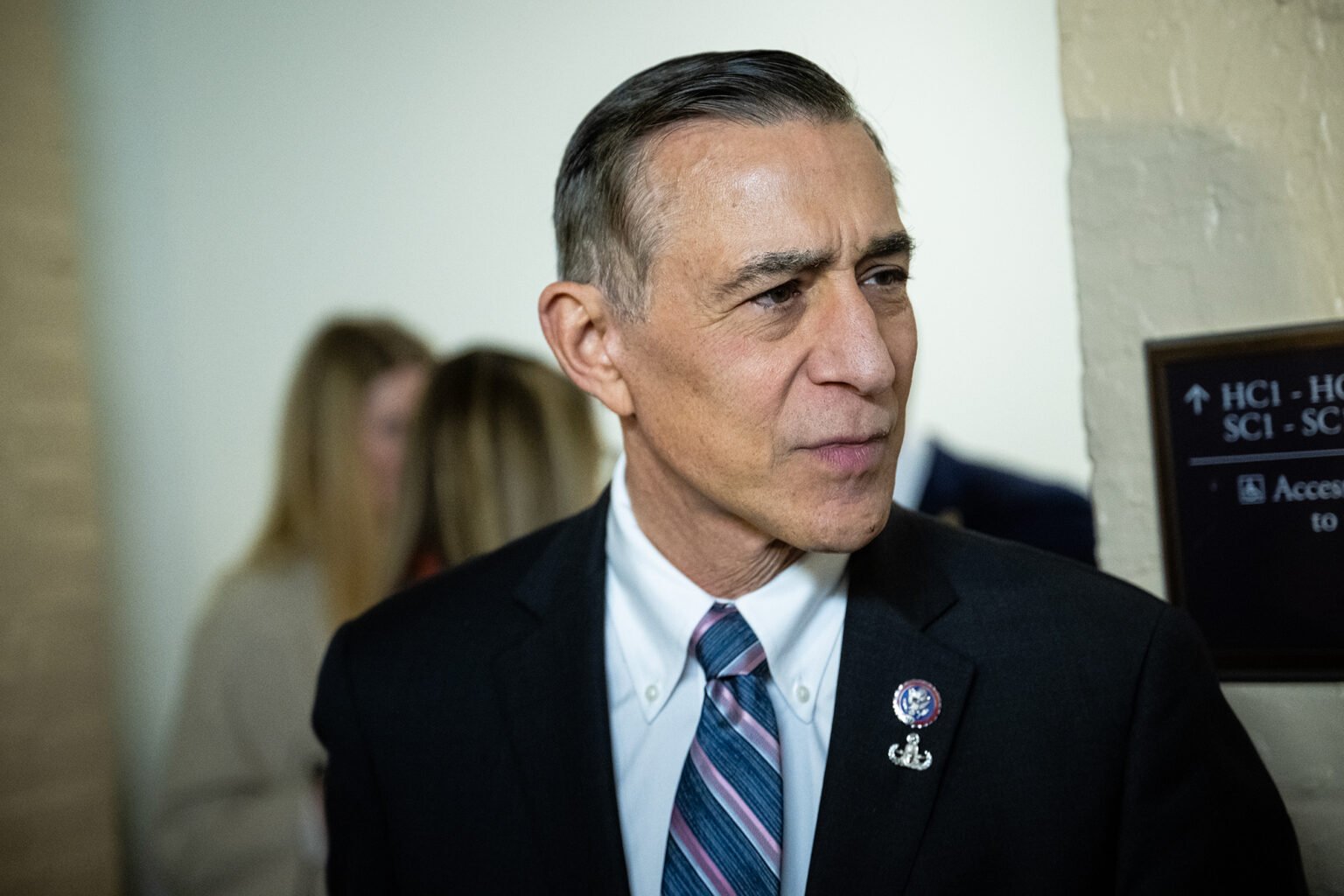
Rep. Darrell Issa, a seasoned politician with over two decades of congressional experience, finds himself in a tight spot. Despite his historical advantages, the new district boundaries force him into a more competitive arena, and his strong ties to the Trump administration may complicate his strategy. As opposed to previous elections, he now must persuade a broader electorate that includes more independent and moderate voters who may be critical of Trump’s policies.
Issa’s political longevity is notable, but his tight races ahead demand a nuanced approach, especially with the electorate’s shifting dynamics. The general election may also serve as a referendum on President Trump’s administration in a district where sentiments may be divided. Analysts caution that failing to adapt could jeopardize Issa’s long-held position in Congress.
The Bigger Picture in California Politics
This transformation in California’s congressional landscape isn’t just limited to Issa’s district; it reverberates across various political arenas. For example, Rep. Mike Levin’s district is experiencing its own modification, becoming more securely Democratic after the redistricting—an indication of how carefully redrawn boundaries are shaping competitive races across the state. Levin has expanded his electoral base into more Democratic-leaning areas, ensuring that he has greater support going into his reelection campaign.
Political experts note that these strategic adjustments reflect deeper trends within California’s political framework, where the fight for congressional seats is intensifying amidst national narratives. The loss of Republican strongholds in regions like Levin’s district showcases the evolving electorate and sets the stage for future elections across the state. This cycle represents an opportunity for the Democratic Party to solidify power in a state that has long been a Democratic bastion while also recognizing the inherent challenges posed by swing districts.
In conclusion, California’s redistricting efforts have created a complex yet thrilling landscape for the midterms, particularly with the emerging race in the 48th Congressional District. With eleven Democrats vying for a chance to sway the political balance against a seasoned Republican, the stakes are high. Political observers are keenly watching as candidates prepare for what promises to be a fiercely contested campaign, underscoring the broader shifts in California’s political dynamics.
This article is based on reporting from calmatters.org.
The original version of the story can be found on their website.
Original Source:
calmatters.org
Image Credit: calmatters.org ·
View image


