






Fullerton Residents Could Soon See a New 110,000-Square Foot Warehouse Despite Local Concerns About Long-Term Environmental Impacts
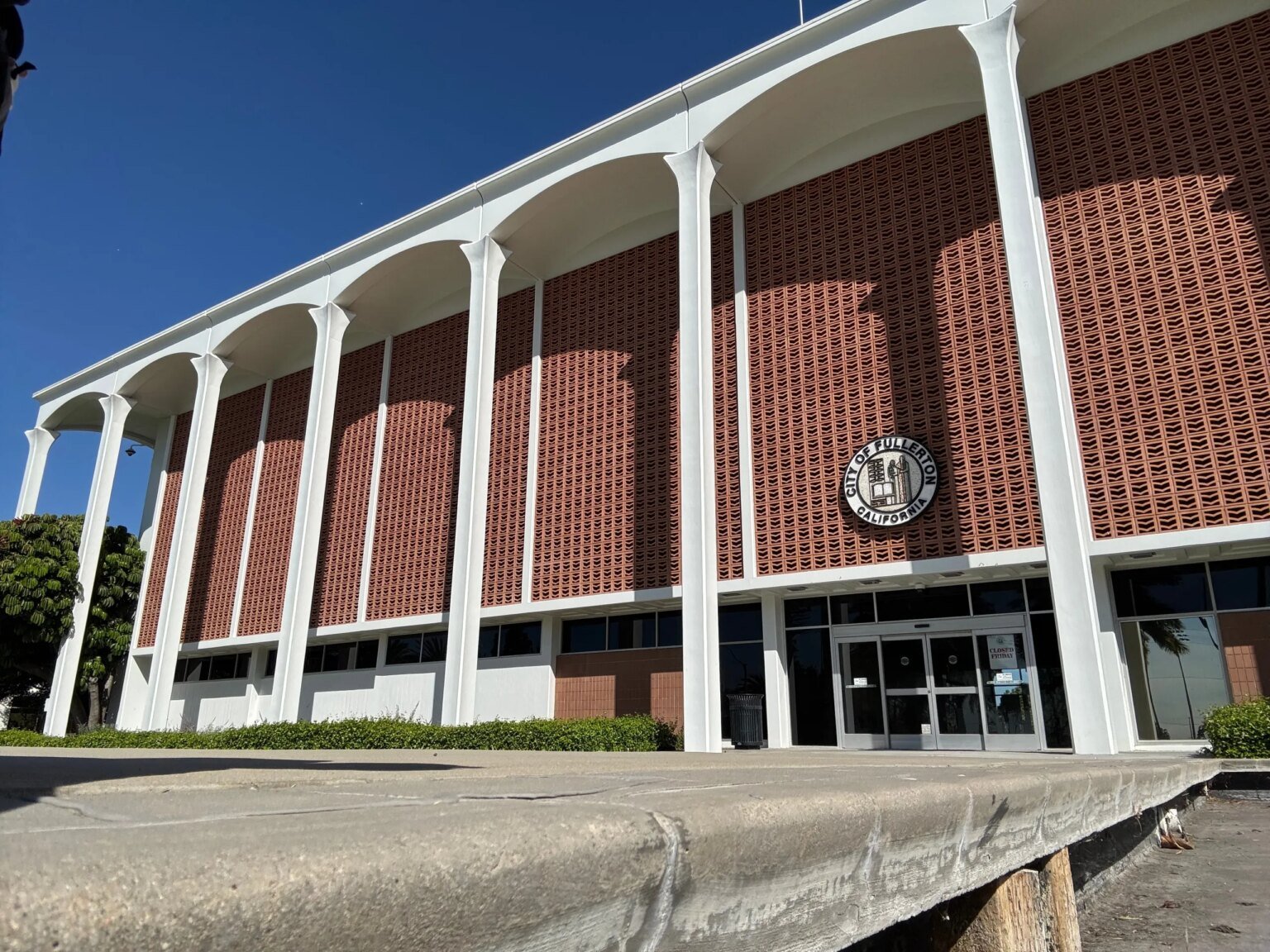
As the sun dipped below the horizon on a warm evening in Fullerton, local residents congregated in the town hall, their voices a symphony of unease echoing off the municipal walls. Gathered around the polished wood of the council chamber, they were not there for an ordinary meeting; they were concerned about a proposal that could irrevocably change the fabric of their community.
Council Approval and the Debate Over Environmental Oversight
Last month, the Fullerton City Council unanimously voted to move forward with plans for a 110,000-square-foot warehouse, set to rise on the site of the existing Cedarwoods Business Park. While the council members greeted the decision with enthusiasm, many residents expressed deep reservations, particularly regarding environmental ramifications such as air quality and traffic congestion. The council’s decision to approve a Mitigated Negative Declaration (MND)—a streamlined environmental review—over a more rigorous Environmental Impact Report (EIR) has heightened those concerns.
“Is this review only focused on the construction phase?” Councilmember Ahmad Zahra questioned during council proceedings. “Or are we considering the life of the project, both construction and afterward?” Despite these inquiries, city staff maintained that the anticipated impacts would be “less than significant,” which ultimately influenced the council’s approval.
Changing Landscapes: A Look at the Current and Future State
The current site spans roughly 85,700 square feet, strategically located north of Orangethorpe Street. Under the new plan, it will morph into a concrete behemoth featuring 15 loading dock doors and 91 parking spaces, paving the way for a truck-oriented manufacturing park. This shift raises questions about its long-term effects on already congested roads, notably the thoroughfare that feeds into the bustling Fullerton College.
- Traffic Increases: A facility of this scale is projected to generate significant daily truck traffic, raising concerns about vehicle congestion and potential hazards.
- Air Quality: Local residents worry that increased emissions from heavy-duty trucks could erode air quality, particularly in an area already grappling with pollution.
- Noise Levels: The presence of large vehicles may contribute to heightened noise, affecting the quality of life for nearby residents.
“We can’t just sit back and watch as our community is transformed into an industrial corridor,” lamented resident Jane Reifer. “We’re already dealing with an onslaught of warehouses. If truck trips are going to increase, we need to examine the road conditions closely.” Her concerns were echoed by Kylah Staley of the Supporters Alliance for Environmental Responsibility (SAFER), who voiced apprehension about potential cumulative effects on air quality. “The construction and ongoing operation could add to an already troubling pollution scenario,” she warned.
Support and Skepticism: A Divided Community
While many residents remain skeptical, some community members have embraced the project. Curtis Gamble, a local entrepreneur, expressed optimism about the project’s potential to invigorate local businesses. “This could be a golden opportunity for our local economy,” he remarked. “But I do have lingering questions about the infrastructure—what will become of our roads and how will this warehouse be utilized?”
The council’s decision did not emerge solely from business incentives; it was also influenced by a larger context of urban development sweeping through Southern California. According to a 2022 study by the UC Irvine Urban Planning Institute, there has been a 25% increase in warehouse projects within metropolitan areas of California over the past five years. As Fullerton grapples with its own development pressures, it faces challenges common in other cities, such as Lake Forest and Irvine, which have also debated large warehouse projects in recent months.
The Regulatory Landscape: Where Do We Stand?
The state of California mandates local governments to conduct a full EIR when there is substantial evidence of significant environmental impacts that cannot be sufficiently mitigated. Despite this, city officials defended their decision to go forward with an MND. “In our analysis, we concluded that the impacts are less than significant,” said Fullerton Senior Planner David Lopez. Yet, the community remains unconvinced. Residents argue that increased traffic and emissions should certainly warrant a more thorough review.
“When did local government start prioritizing corporate development over public health?” posed community advocate Maureen Dobbins. “For us, this isn’t just a ‘warehouse.’ It’s about the future livability of our neighborhoods.”
What Lies Ahead for Fullerton?
To date, Fullerton officials have yet to establish a construction timeline for the warehouse project, leaving the community in a state of limbo. “The project applicant hasn’t submitted construction drawings yet, and we don’t yet know how many reviews will be needed,” remarked Lopez. While some residents anxiously anticipate the transformation of their city, others remain vigilant, prepared to advocate for their community’s needs as the project evolves.
As the assembly of concerned citizens left the council chamber, the cacophony of voices buzzed with urgency. Their community, rich with history and life, faces a pivotal moment that will define its character for generations to come. The duality of progress and preservation looms large in Fullerton, creating a landscape fraught with complexity, where every decision weighs heavily on its denizens.


