



Navigating California’s School Reopening Debate Amid COVID-19
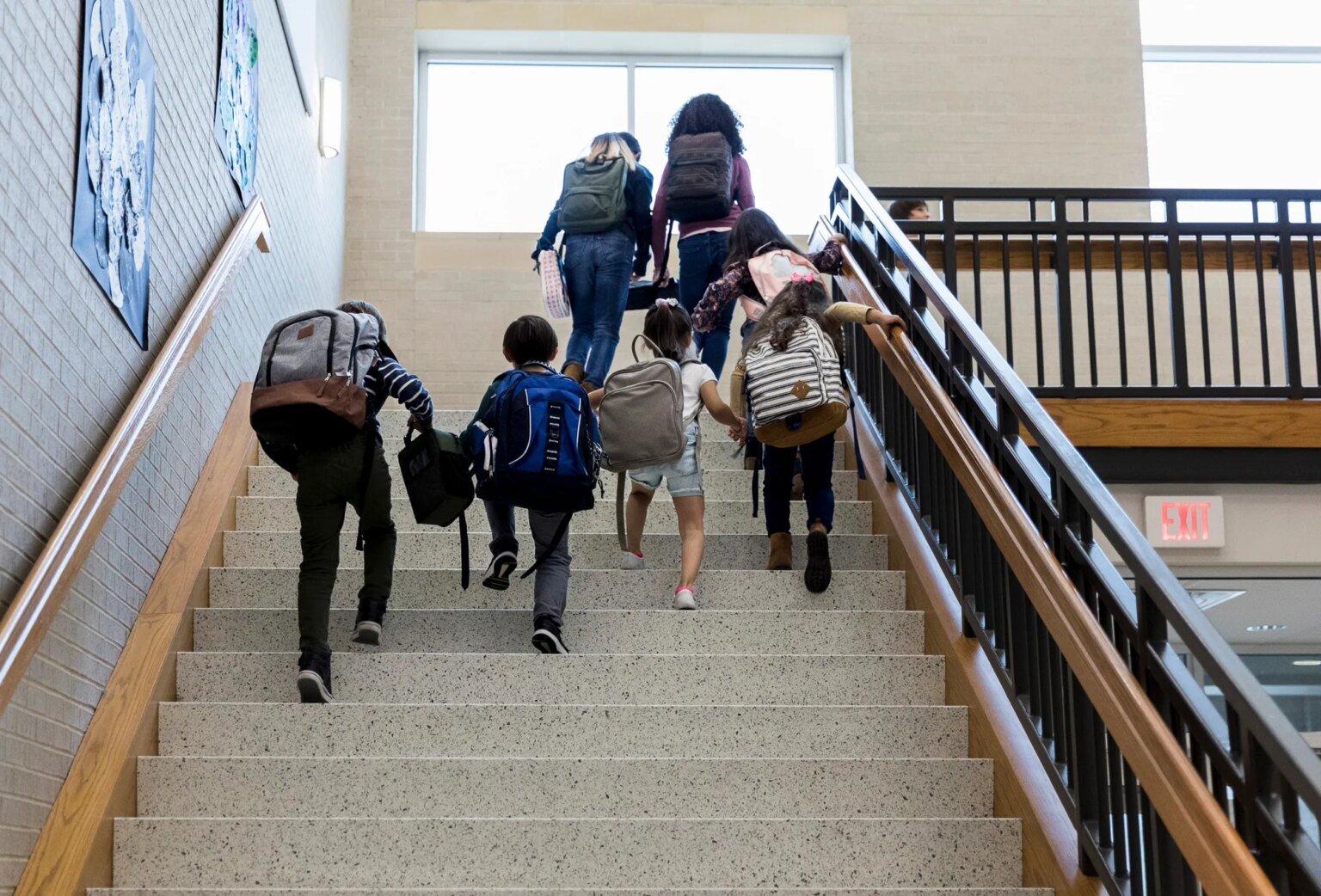
California’s approach to reopening schools amid the COVID-19 pandemic has become a complex battleground of conflicting interests, with local decisions challenging state guidelines. As the situation evolves, Orange County’s recent recommendation against mask mandates in schools raises significant questions about authority and public health protocols, revealing a fractious relationship between local and state governance.
Conflict between Local and State Guidelines
Recent developments in Orange County show a stark contrast to state mandates. The Orange County Board of Education voted to recommend that schools reopen without requiring masks or physical distancing, directly opposing the California Department of Education’s guidelines. Governor Gavin Newsom voiced his commitment to local decision-making but faces increasing pressure as school districts evaluate reopening strategies. The board’s actions indicate that local authorities may prioritize their interpretations of safety over established state protocols, stirring public debate over who should dictate COVID-19 policies in schools.
Political Tensions Intensify
The frictions between local and state officials are exemplified by Orange County’s actions. Previous instances, such as when Newsom shuttered beaches in May, met with local resistance through legal challenges. Additionally, the county’s health officer faced threats that ultimately led to her resignation after enforcing mask mandates. These past events suggest a chronic tension between state directives and local governance, complicating the implementation of public health policies during the pandemic.
Impacts on School Reopening
As more districts, including Santa Ana Unified, consider delaying in-person classes indefinitely, the question remains: will districts defy state recommendations? Some local administrations are contemplating their conduct independent of state guidelines, testing Newsom’s resolve to maintain consistency in public health measures. The possibility of opposing state directions raises concerns about potential interventions from state authorities, which could set precedents for future governance during health crises.
State’s Response to COVID-19 Challenges
Governor Newsom acknowledged the need for strengthened guidelines in light of the ongoing surge in COVID-19 cases. As of July 2020, California was grappling with over 336,000 confirmed infections and over 7,000 deaths. The acknowledgment of growing case numbers underscores the urgency for decisive action and clearly defined protocols for schools, as well as the potential implications for public health strategies in other areas.
Testing Prioritization Amid Increased Demand
As local schools navigate their reopening plans, California also faces additional challenges concerning COVID-19 testing. The state recently unveiled a new strategy aimed at prioritizing testing for vulnerable populations, amid supply shortages and high demand. Testing categories now include hospitalized patients, health care workers, and essential workers, with a tiered structure designed to allocate resources more effectively where they are most needed. This adaptive strategy reflects an attempt to manage public health while emphasizing the importance of structure and organization.
Conclusion: Balancing Local Autonomy with State Guidelines
As COVID-19 continues to disrupt educational landscapes in California, the tug-of-war between local and state governance remains pivotal. For schools across the state, navigating these challenging waters requires careful consideration of both public health data and the evolving political climate. With rising infections necessitating stringent protocols, the decisions made by local authorities will play a crucial role in shaping the trajectory of California’s response to the pandemic and the safety of its students and educators. The ongoing debates reflect broader tensions within the state regarding autonomy and accountability, making it imperative for all stakeholders to work collaboratively to ensure the safety and well-being of the community.
This article is based on reporting from calmatters.org.
The original version of the story can be found on their website.
Original Source:
calmatters.org
Image Credit: calmatters.org ·
View image


