






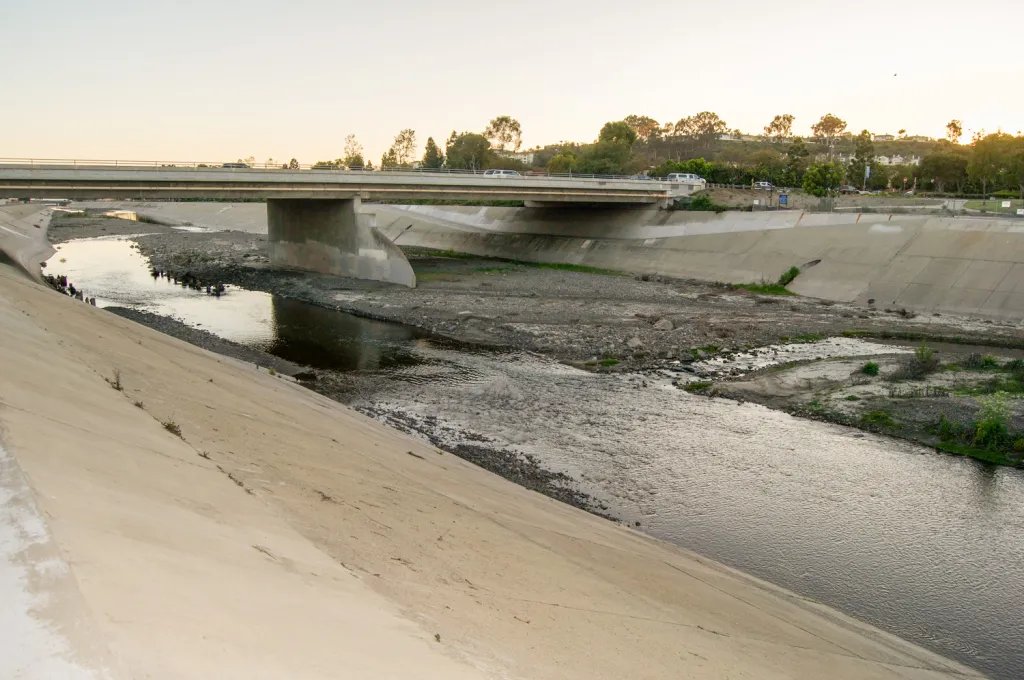
As the sun casts its golden hue over Doheny State Beach, the tranquil waves mask an underlying tension bubbling in the creeks nearby. Concerned residents gather at the edge of San Juan Creek, their worried expressions highlighting a growing unease about the use of herbicides in local waterways. Their apprehensions reached a boiling point, prompting Orange County officials to pause the controversial herbicide applications while forming an advisory committee. The collective worry about the impact of chemicals on water quality and marine life has ignited passionate debates that reveal a broader struggle about environmental stewardship in Southern California.
Concerns About Herbicide Use in South Orange County Waterways
The Alarming Findings
Recent studies, including a comprehensive review by the Coastal Waters Research Institute (CWRI), indicate that herbicides can not only harm aquatic ecosystems but can also enter drinking water supplies through runoff. The CWRI’s lead researcher, Dr. Pamela Hargrove, asserts, “The concentration of herbicides detected in waterways just upstream of Doheny State Beach exceeded safety limits set by the Environmental Protection Agency (EPA). If we don’t act now, the consequences could be devastating for marine life and public health.”
A Community Response
Local residents have mobilized, voicing their concerns in public forums and directly to their county supervisors. “We’re fighting for our home, our water,” says Natalie Ramirez, a lifelong resident of Dana Point. “It’s not just about our health; it’s about the health of our community. We deserve better.” Ramirez’s fervor is echoed by many, as concerns escalate over how the decisions made by officials impact both nature and daily life.
Environmental and Health Implications
The debate surrounding herbicide use is complicated by the lack of transparency in how local governments announce and execute their decisions. Negative ramifications on delicate ecosystems are not limited to wildlife; they extend to human health. A report from the Orange County Environmental Health Agency highlights a potential correlation between increased herbicide usage and an uptick in local asthma cases. “Long-term exposure to these chemicals can trigger a multitude of health issues, even in populations living far from direct spraying zones,” says Dr. Jason Liu, an environmental health expert.
- Health Risks: Respiratory issues, skin irritations, increased cancer risk.
- Environmental Damage: Harm to fish populations, loss of biodiversity, disruption of local habitats.
- Community Impact: Feeling of mistrust towards local governance, mobilized community actions to lobby for change.
Policy Changes on the Horizon
In response to these mounting concerns, Orange County has begun to re-evaluate its policies regarding herbicide use. The pause in application offers a critical window for community voices to be heard and incorporated into future guidelines. “We’re optimistic that this advisory committee will bring together scientists, residents, and policymakers to create a balanced, sustainable approach,” suggests Jennifer Clove, who heads the county’s Environmental Protection Agency. “The goal is to protect both our environment and our community.”
Looking Ahead: Water Quality and Community Engagement
Despite the recent measures, many feel that more needs to be done. Local activists are advocating for increased water quality testing and more comprehensive public outreach before decisions are made regarding chemical applications. “Education is key,” emphasizes community organizer Sam Porter. “Residents need to know not only the consequences of herbicide use but also the alternatives.”
Alternatives to Herbicides
Experts suggest that there are numerous eco-friendly practices that could mitigate weed problems without resorting to harmful chemicals. These alternatives include:
- Manual Removal: Hand-pulling invasive plant species.
- Natural Herbicides: Use of vinegar or other biodegradable substances.
- Community Spruce Programs: Encouraging the community to participate in planting native species that outcompete weeds and promote biodiversity.
The path forward for South Orange County is not just about regulating herbicides but embracing a community-centered, sustainable vision for environmental stewardship. As policymakers take baby steps toward fostering safer practices, residents remain vigilant, eager to ensure their voices resonate in decisions that directly impact their health and environment.
Ultimately, the effort to protect natural resources near Doheny State Beach symbolizes a broader movement toward accountability and sustainability in communities across California. As this story unfolds, it showcases the power of local activism and the necessity of informed dialogue surrounding critical ecological issues. It serves as a reminder that in today’s world, we must prioritize both our natural treasures and the health of our communities.


