



Exploring the Unseen Lives of Shelter Pets: A Closer Look at OC Animal Care
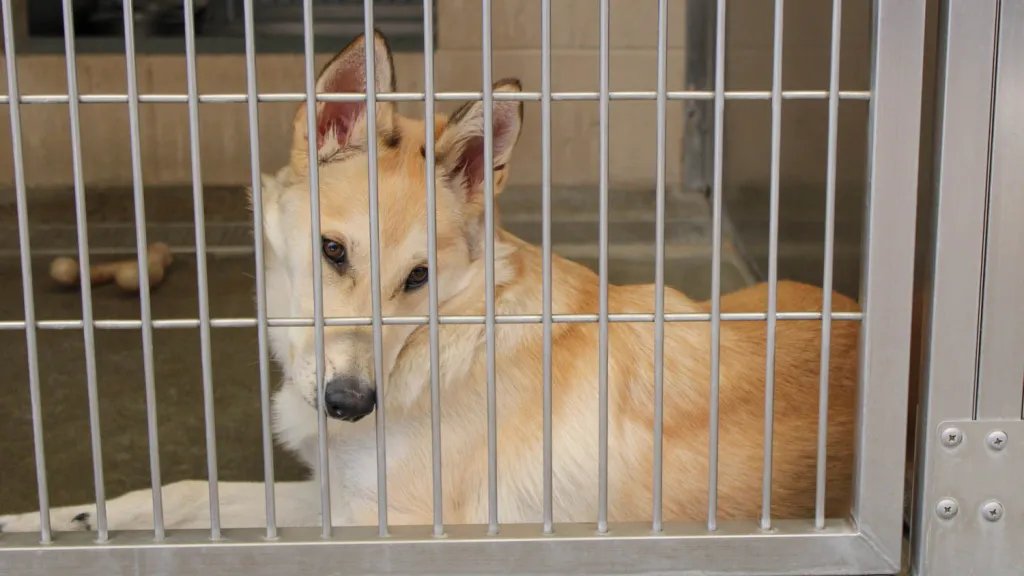
In a small corner of Tustin, California, Indy, a playful one-year-old German Shepherd mix, awaits a new family in a kennel littered with the remnants of his past—a discarded ball that still smells faintly of the outdoors. Initially a beloved companion, he was returned to OC Animal Care just two weeks ago. The emotional scars of abandonment linger, and his bright, expressive eyes tell a story of hope intertwined with uncertainty.
The Dynamics of Adoption and Abandonment
The plight of shelter animals like Indy is not an isolated phenomenon. According to a 2022 study by the National Animal Shelter Alliance, nearly 3.2 million pets were adopted in the US last year, while 1.4 million were returned. Dr. Linda Roth, a veterinary psychologist based in California, explains, “Pets often suffer from severe emotional consequences after being returned to shelters. The psychological effects of abandonment can hinder their ability to foster new bonds.”
This notion echoes through the halls of OC Animal Care, where animals like Indy and his companion Stewie, a one-year-old Pit Bull mix, are highlighted in promotional campaigns to raise awareness about the importance of adoption. Stewie was found wandering the streets two months ago and has developed a reputation as a quick learner who craves companionship. “Every pet has its own story and potential,” remarks shelter manager Clara Jefferson. “With the right environment, they can thrive.”
The Burden of Care
The emotional and physical toll of sustaining a shelter is significant. Staff members work tirelessly to ensure that each animal receives proper care, socialization, and training. Recent data collected by OC Animal Care indicate that almost 15 percent of incoming animals have behavioral issues due to their previous living situations. Addressing these issues requires not just financial resources but also a dedicated workforce.
Understanding Shelter Culture
Within the walls of OC Animal Care, a culture of empathy and responsibility prevails, driven by dedicated individuals committed to animal welfare. A common misconception is that shelter workers merely perform maintenance tasks; in reality, their role is multifaceted:
- Training and Behavioral Assessment: Workers assess each animal’s temperament, providing tailored training to enhance adoptability.
- Community Outreach: Programs that promote awareness and volunteerism help sustain shelter needs.
- Foster Programs: Initiatives that connect pets with temporary families help alleviate overcrowding and foster bonds in a home environment.
“It’s about creating a nurturing environment that allows these animals to showcase their true personalities,” says staff trainer Javier Martinez, who has worked at the shelter for over five years. “When we foster an understanding of their backgrounds, we can better prepare them for adoption.”
Promotional Efforts Amidst the Challenges
In response to rising populations of shelter animals, OC Animal Care has initiated innovative promotional campaigns aimed at increasing adoption rates. March marks a special event waiving adoption fees for dogs over 25 pounds, including Indy and Stewie. “We are using social media platforms to reach out to the community and highlight the stories of animals available for adoption,” says outreach coordinator Maya Liu. “Our goal is to create connections between pets and potential families.”
Success Stories vs. Unseen Struggles
While many animals find new homes, the emotional burden of those still waiting can be palpable. Dakota, a six-year-old domestic medium-hair cat, was surrendered after behavioral issues stemming from neglect. Although not much is known about Dakota’s past, shelter staff describe him as “easygoing yet in need of understanding.”
Dr. Roth’s research indicates that animals with inconsistent human interaction often present more behavioral challenges. “Adoptions are affected by numerous external factors, including the community’s economic state and public awareness,” she explains. “Urgent action is required to address these systemic challenges.”
Call to Action
As shelters like OC Animal Care continue to advocate for pet adoption, the onus is also on the community to support these initiatives. The unfortunate reality is that many animals remain in limbo, waiting for the love and safety they have long been deprived of.
The lives of Indy, Stewie, and Dakota serve as poignant reminders of the resilience within these pets and the untapped potential they carry. Through fostering connections, educating the community, and addressing systemic issues, we can pave the way for change. Awareness is crucial, but action transforms lives.


