






Investing in Bike Infrastructure Pays Dividends for All
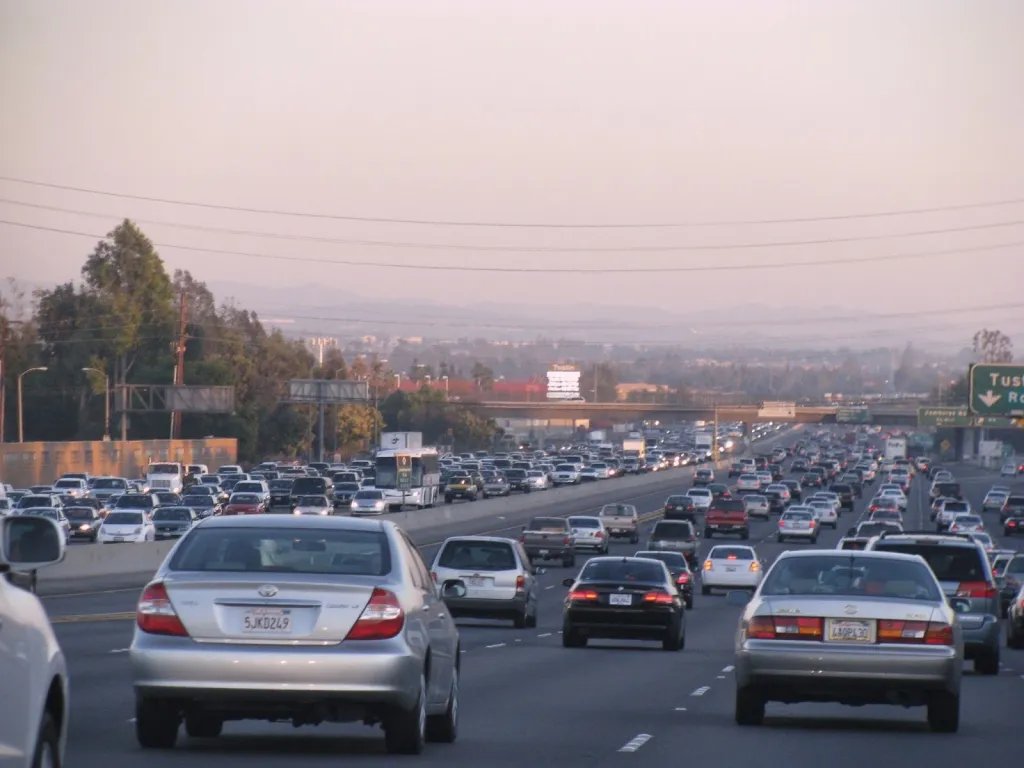
Last October, as I pedaled my way to Irvine for a training session, I felt remarkably liberated compared to my coworker, who spent his morning stuck in the gridlock of Orange County’s notorious traffic. With the freeway at a standstill, he epitomized the plight of over half a million Orange County workers who endure grueling commutes of more than 30 minutes. For many, the daily grind is a frustrating ritual, characterized by honking horns and an unyielding march of brake lights.
Transforming Commuting Perspectives
Life in Orange County—while blessed with pleasant weather—comes with its own commuting nightmares. More than 40% of the workforce commutes over 30 minutes to work, with more than 100,000 making the trek for over an hour. However, my secret to dodging that trap has become commonplace: riding a bike. A revelation to some, it allows not just a method of transportation but also a window into the potential of rethinking urban mobility.
The E-Bike Revolution
The decision to bike has transformed not only my commute, but also my lifestyle. Unlike snow-clad regions, Orange County’s climate is conducive to biking year-round. The advent of e-bikes has made this mode of transport even more enticing, offering speeds of up to 28 mph without necessitating a post-ride change of clothes. “E-bikes effectively redefine commuting,” notes Dr. Emily Tran, an urban mobility expert at the University of Southern California. “They create a viable alternative to car travel and can significantly reduce congestion.”
- Improved Air Quality: Less car use means reduced emissions.
- Health Benefits: Regular cycling contributes to improved cardiovascular health.
- Cost Savings: The average annual cost of owning a car in California is around $4,800.
The Dangers of Current Infrastructure
Despite the benefits, biking in Orange County comes with its challenges. Riding alongside fast-moving vehicles is unnerving, especially when bike lanes are insufficient or non-existent. “Effective bike infrastructure can build trust in cycling as a commuting option,” asserts transportation planner Leo Martinez. “However, that infrastructure is still scanty in many underserved areas.”
Unlike cities such as Irvine, where bike lanes appear to flourish, vast swathes of central and northern Orange County feel abandoned. Cyclists often find bike lanes that run for mere half-miles before abruptly disappearing—diminishing their utility. The absence of cohesive bike infrastructure leaves riders exposed to the same hazards they hoped to evade. Moreover, drivers express discomfort navigating around cyclists, often creating friction between two modes of transport.
A Call for Strategic Planning
Research indicates that cities investing in bike infrastructure benefit both cyclists and drivers. A study by the Orange County Transportation Authority (OCTA) illustrated that adding protected bike lanes can decrease congestion for all road users. In fact, communities that invest in cycling infrastructures typically observe an uptick in bicycle ridership and a concurrent reduction in vehicular traffic.
Nevertheless, the current bike lane map of Orange County reveals a polarizing design that primarily benefits the southern cities. “We need to prioritize comprehensive bike planning that connects our communities effectively,” urges OCTA spokesperson Sarah Chen. The implied need for a countywide bikeway master plan is evident. Such a plan must:
- Identify critical routes for connectivity.
- Ensure protected lanes in high-traffic areas.
- Incorporate community feedback to address specific local needs.
Looking Forward: The Future of Cycling in Orange County
As the population in Orange County continues to burgeon, traffic is projected to worsen if current trends persist. Urban sprawl is inevitable, and expanding freeways will provide only temporary relief without addressing the core issue: the sheer number of vehicles on the road. What if, instead, we embraced an innovative approach by promoting cycling as a viable alternative?
Longer-term investments in bike infrastructure may initially appear costly but will, in effect, pay dividends in reduced traffic congestion, improved public health, and enhanced air quality. Such changes won’t remedy tomorrow’s gridlock, yet they offer a comprehensive, forward-thinking strategy to accommodate our growing population, inviting us to rethink how we navigate our urban spaces.
We are at a pivotal moment in Orange County—a chance to reshape our landscape for future generations. If the push for better bike infrastructure gains momentum, we might find that investing in cycling not only clears our roads but enriches our communities.


