



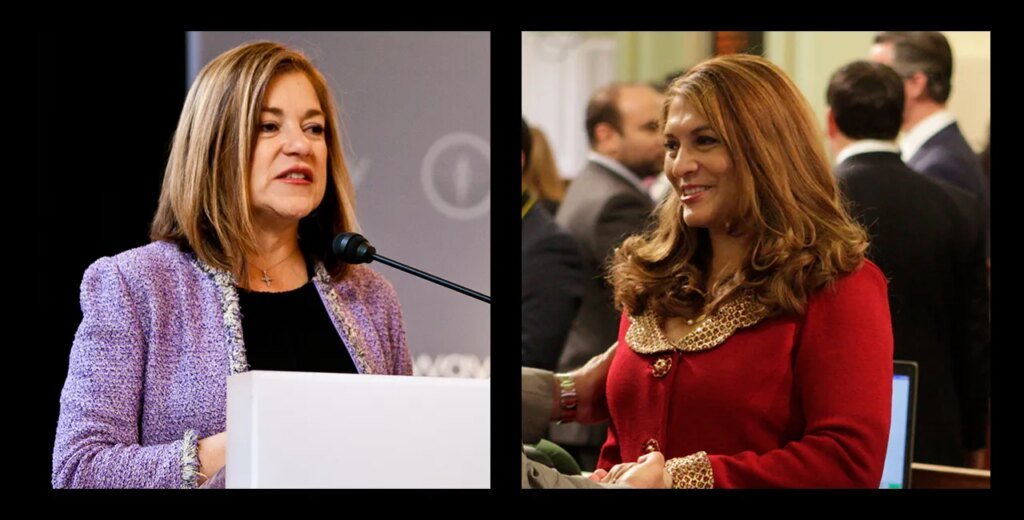
The Unusual Loan Between Legislators: A Deep Dive
In the intricate world of California politics, a personal loan involving Democratic Assemblywoman Sharon Quirk-Silva and former U.S. Rep. Loretta Sanchez has sparked conversations about ethics and legality. Quirk-Silva received a substantial $430,000 personal loan from Sanchez—a connection that has left some legal experts questioning its propriety. Despite concerns, both politicians maintain that their arrangement lacked any impropriety, characterizing it as a simple personal loan reminiscent of financial help from family members.
In late 2017, Quirk-Silva took out the loan to secure a home in Fullerton, intended as a family residence. As she struggled to finalize a traditional mortgage, she sought advice from Sanchez, who had recently departed from Congress. The pair swiftly arranged terms for the loan over a weekend, enabling Quirk-Silva to make a competitive offer on a property that she believed had great fixer-upper potential. Although California law prohibits state officials from borrowing money from each other, Quirk-Silva and Sanchez’s unique situation—given Sanchez’s private citizen status at the time—navigated this legal barrier.
Montenegro’s political landscape further complicates the issue. Jessica Levinson, a legal scholar, suggested that such arrangements might create an unspoken obligation between parties, potentially influencing political decisions down the line. However, Quirk-Silva framed the financial assistance as akin to parental aid, stating that many individuals in California’s high-cost housing market frequently rely on family or friends for down payment support. Both politicians insist their relationship is rooted in long-standing friendship rather than transactional interests.
The financial arrangements surrounding the loan are equally intriguing. Sanchez’s ability to lend such a vast sum has drawn scrutiny, especially given her reported liquidity at the time. However, sources close to Sanchez emphasize that, despite appearances, their financial situation allowed for this transaction. The loan’s details—4% interest and a six-month payback period—align with standard real estate regulations, yet they raise eyebrows concerning broader ethical implications in political funding.
In terms of accountability, Quirk-Silva’s re-election campaign transaction has also raised concerns. While she was paying back the loan, her campaign disbursed significant funds to Sanchez’s digital communications firm. This link raises questions about the nature of their transactions and whether political influence could be implicated. Sanchez’s potential candidacy for a local supervisor position further complicates matters, sparking discussions on financial reporting and ethical disclosure as required by state law.
As civil discourse around these transactions grows, it’s essential to recognize the responsibilities of elected officials in their financial dealings. Transparency is crucial, particularly when personal relationships intersect with political ambitions. Quirk-Silva remains confident in her integrity, asserting that the loan would not necessitate any political favors from Sanchez. However, the situation underscores the complexities of financing and legislative ethics, particularly in a political environment where personal and professional lines often blur.
In conclusion, the $430,000 loan between Quirk-Silva and Sanchez raises pertinent questions about the ethics and legality of financial arrangements among politicians. As public scrutiny continues, it becomes increasingly important for elected officials to prioritize transparency and accountability in their dealings. The balance of personal relationships and political influence must be managed carefully to maintain public trust in the democratic process.
This article is based on reporting from calmatters.org.
The original version of the story can be found on their website.
Original Source:
calmatters.org
Image Credit: calmatters.org ·
View image


