



Adoption Drives and Anxious Animals: A Close Look at OC Animal Care
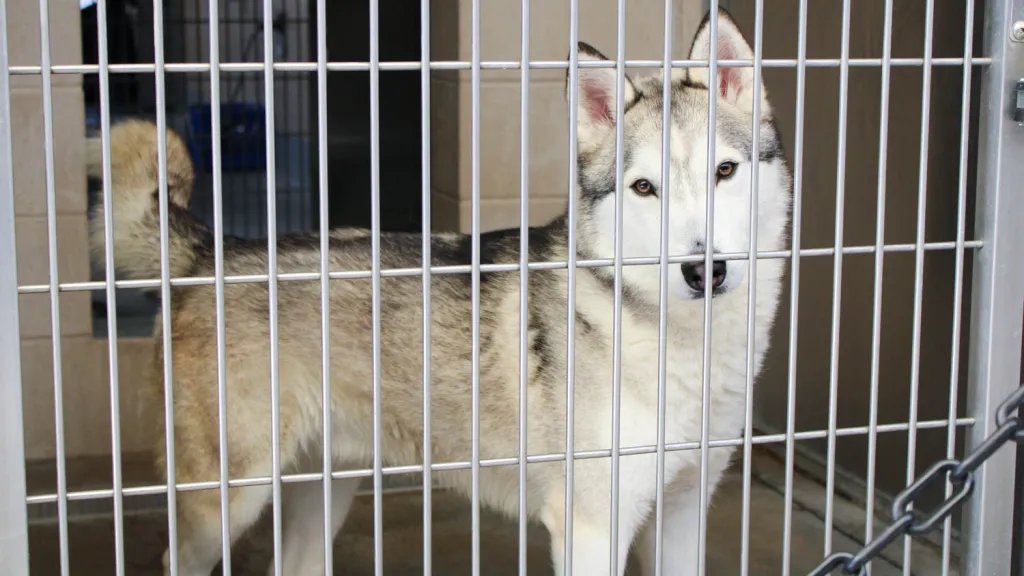
On a bright February afternoon in Tustin, California, Tanner, a newly arrived Siberian Husky, paces nervously in his kennel at OC Animal Care. He has only been at the shelter for a week, following his rescue as a stray. With bright blue eyes catching the sunlight, he seems unaware that he is among a growing number of animals awaiting a forever home in Orange County. As shelters grapple with rising populations and dwindling resources, Tanner’s story exemplifies a larger crisis affecting animal welfare across the nation.
A Growing Challenge
According to the American Society for the Prevention of Cruelty to Animals (ASPCA), around 3.3 million dogs enter shelters every year in the United States. With adoption rates fluctuating based on seasons and economic conditions, many shelters, like OC Animal Care, often find themselves in a dire situation. Recent reports suggest that OC Animal Care has seen an uptick in animal intake, particularly among strays, partly attributed to unresolved housing issues in the area.
“The influx of animals can overwhelm the shelter system,” says Dr. Laura Fletcher, a veterinary behaviorist at a local animal shelter. “Sadly, some animals don’t get the attention they need, exacerbating the behavioral issues they face while in shelter.” Such conditions can lead to higher rates of anxiety and aggression in pets that are otherwise adoptable.
Meet the Residents
At OC Animal Care, a visible hierarchy emerges among the animals, each with their own story.
- Tanner: A 1-year-old Siberian Husky, Tanner is currently available for adoption and is part of a promotion waiving fees for dogs over 25 pounds. Staff describe him as a new face with untold possibilities, awaiting a family that can provide him with the companionship he desperately needs.
- Truckstop: A 3-year-old pit bull, Truckstop has been at the shelter for five months. His file indicates that a patient owner who can provide structure would be ideal. Despite his long wait, he retains a friendly disposition and responds well to basic commands. His need for a yard and being the sole pet can deter many potential adopters.
- Missy: At 15 years old, Missy is the shelter’s oldest resident. A domestic shorthair cat with a calm demeanor, she symbolizes the often-overlooked senior pets waiting quietly in the shadows of the adoption process.
“It’s heart-wrenching to see animals like Missy, who have so much love to give but are often the last to be adopted,” shares Jennifer Sloane, a volunteer at the shelter known for her passion for caring for overlooked animals. “They need just as much love as the younger pets, if not more.”
Community Impacts and Initiatives
The plight of animals in shelters reflects broader issues within communities. The COVID-19 pandemic has shifted not only the dynamics of pet ownership but also the socioeconomic factors influencing pet surrenders. As families face financial uncertainty, the desire for pet ownership may wane, affecting shelter intake rates. Furthermore, seasonal trends reveal that animal abandonment often spikes after the holiday season, as new pets fail to integrate into the home.
Data from recent studies indicate that shelters in urban settings report a significantly higher rate of stray intakes, which suggests a correlation between urban challenges and animal welfare issues. In 2022, OC Animal Care took in approximately 14% more animals than the previous year. Such trends underline the urgent need for community engagement in animal welfare initiatives.
To combat this, OC Animal Care has implemented several community outreach programs aimed at encouraging adoptions. The current February adoption promotion waives fees for all dogs over 25 pounds, a strategic move to appeal to families seeking larger companions. “By making it easier for families to adopt, we not only find homes for these pets but also reduce the strain on our limited resources,” says shelter manager Karen Mendes.
The Role of Social Media
Social media has emerged as a powerful tool in promoting animal adoption. Campaigns showcasing individual animals often go viral, raising awareness and generating interest among potential adopters. A recent survey indicated that 70% of adopters learned about their pets through social media posts. “Involving the community through shared stories can create real impact,” says Dr. Fletcher. “It humanizes the animals and generates empathy.”
Next Steps and the Future
As the sun begins to set over OC Animal Care, Tanner and his friends still wait, their fates intertwined with the decisions of the community. The shelter’s efforts may yield promising results, but the need for a sustainable solution remains. Volunteers and staff are committed to finding each pet a loving home, but they also call for broader participation in initiatives that can provide a long-term impact—be it through fostering programs or spaying and neutering awareness campaigns.
Despite the challenges, the resilience of the staff and the love of the community breathe hope into the halls of OC Animal Care. For Tanner, Truckstop, Missy, and countless others, the journey doesn’t have to end in a kennel. With commitment and compassion, many hearts can find their homes—and their stories can unfold in joyous new chapters.


