



Kaiser Permanente Strike: A Healthcare Crisis in California
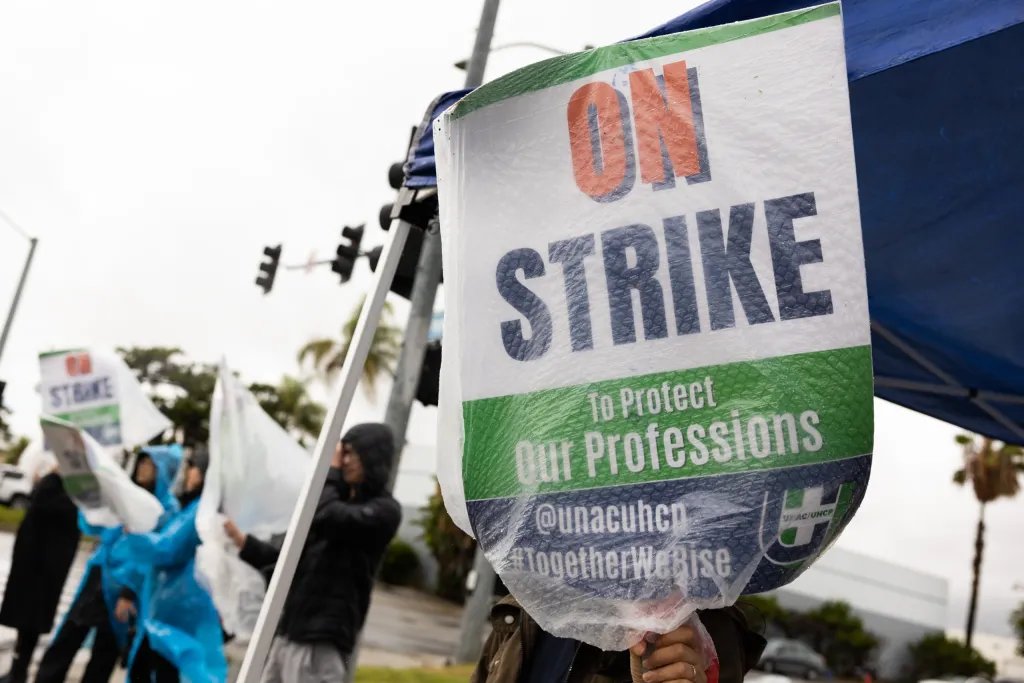
On a chilly morning in Anaheim, thousands of healthcare workers stood shoulder to shoulder outside Kaiser Permanente’s Southern California facilities, their vibrant picket signs swaying in unison. Nurses, pharmacists, and therapists chanted slogans demanding better pay and safer staffing levels. The strike marked the largest organized walkout in U.S. healthcare history, a testament to escalating tensions between labor and management in a post-pandemic landscape.
The Anatomy of a Strike
The strike began on January 26, driven by frustrations that had simmered for years among healthcare professionals. Representatives from the United Nurses Associations of California and the Union of Health Care Professionals (UNAC/UHCP) led the charge, focusing their demands on wages and staffing—a poignant reflection of the increasing pressure healthcare workers face.
Dr. Emily Carr, a labor relations expert at Stanford University, contextualizes this struggle: “The pandemic has fundamentally changed the expectations of healthcare professionals. Workers are no longer willing to accept subpar conditions when their services are essential to society.”
Creating a Ripple Effect
Kaiser Permanente, one of the largest healthcare systems in the nation, reported that the strikes had significantly impacted their operations—costing over a billion dollars cumulatively due to strike actions since October 2025. This figure underscores the enormity of labor actions in an industry already teetering on the brink of crisis due to pandemic-era pressures.
UNAC/UHCP’s leadership articulated a strategic response to ongoing negotiations: “Returning to work is not simply an end to this strike; it’s a calculated move to keep pushing for a meaningful contract. By doing this, we reclaim our voices and position at the bargaining table,” noted union spokesperson Maria Gomez.
What’s at Stake?
The negotiations at Kaiser reflect broader issues affecting healthcare nationwide. As labor and management grapple with the core of these disputes, several key factors emerge:
- Paye Equity: A 2025 study from the National Labor Relations Board pointed out that healthcare workers’ wages have not kept pace with inflation, compounding financial stress.
- Staffing Levels: The American Hospital Association reports that hospital staffing shortages have reached crisis levels, resulting in increased workloads and burnout.
- Worker Retention: Employee satisfaction metrics have dipped to alarming lows, highlighting the urgent need to address working conditions—76% of healthcare workers consider leaving their professions within the next five years.
The Road Ahead
The path towards a resolution at Kaiser appears uncertain yet hopeful. Following weeks of intense negotiations, the recent announcement of a tentative agreement for a 21.5% wage increase sparked cautious optimism among union members. Kaiser’s communication, however, underscores underlying tensions. Carol Soudah, spokesperson for Kaiser Permanente Southern California, stated, “While we respect the rights of our employees to voice their concerns, we believe that the strike was unnecessary and that we had been making progress.”
Experts like Dr. Frank Moore, a sociologist specializing in labor movements, emphasize the necessity of sustained dialogue. “Both sides need to transcend this moment of confrontation if they aim to foster long-term solutions. The relationship between healthcare workers and management is crucial for not just individual institutions but for the integrity of the healthcare system as a whole.”
A Collectively Healed Future?
The remarkable solidarity displayed during the strike has ignited a conversation about the future of healthcare in California. As the dust settles, workers are advocating for not just immediate improvements, but a reevaluation of the healthcare framework which has historically undervalued their contributions.
Angelina Hicks, editor of Voice of OC, summarized the sentiment on the ground. “This isn’t merely about pay; it’s about dignity in work and the recognition of our collective sacrifices. Each healthcare worker is a vital cog in this machine, and it’s time we see that.”
These negotiations extend far beyond Kaiser Permanente; they mirror a nationwide reckoning. A healthcare system reshaped by labor unions’ courage could redefine how care is delivered and valued, creating a template for others to follow. As members returned to their posts, a renewed sense of purpose infused the halls of Kaiser, each worker embodying the change they fought for—a reminder that in the journey to heal others, their needs must also be met.


