



Feeding Orange County: The Resilient Response to Hunger Amid Crisis
At dawn in Santa Ana, the air is thick with anticipation. Ernesto Trejo, a retired waiter, stands outside a community food pantry, shivering slightly as he clutch his daughter’s hand. He arrived at 5 a.m., hours before the food distribution begins. Like many in Orange County, Trejo faces the harsh realities of rising living costs and shrinking government assistance, especially as cuts to food stamps loom just weeks away. “If I don’t come here, I don’t know how we’ll eat,” he confides in Spanish, his voice a mix of hope and desperation.
The Rising Tide of Need
Over the past few years, the landscape of Orange County has shifted dramatically. A prolonged government shutdown, intensified immigration enforcement, the global COVID-19 pandemic, and soaring inflation have cumulatively exacerbated food insecurity. As the economy stumbles, the demand for food assistance from the county’s two major food banks—Second Harvest and the OC Food Bank—has surged significantly.
“We’ve seen a 50% increase in the number of families seeking help at pantries across the county,” says Claudia Bonilla Keller, CEO of Second Harvest Food Bank of Orange County. “This crisis isn’t just economic; it’s a humanitarian emergency.”
- Inflation: Food prices have risen by over 20% since 2020.
- Government Cuts: Anticipated reductions to CalFresh food assistance threaten to reduce benefits for over one million residents.
- Pandemic Aftermath: Many families are still struggling to recover from job losses and health crises related to COVID-19.
The Heart of the Community: Volunteers
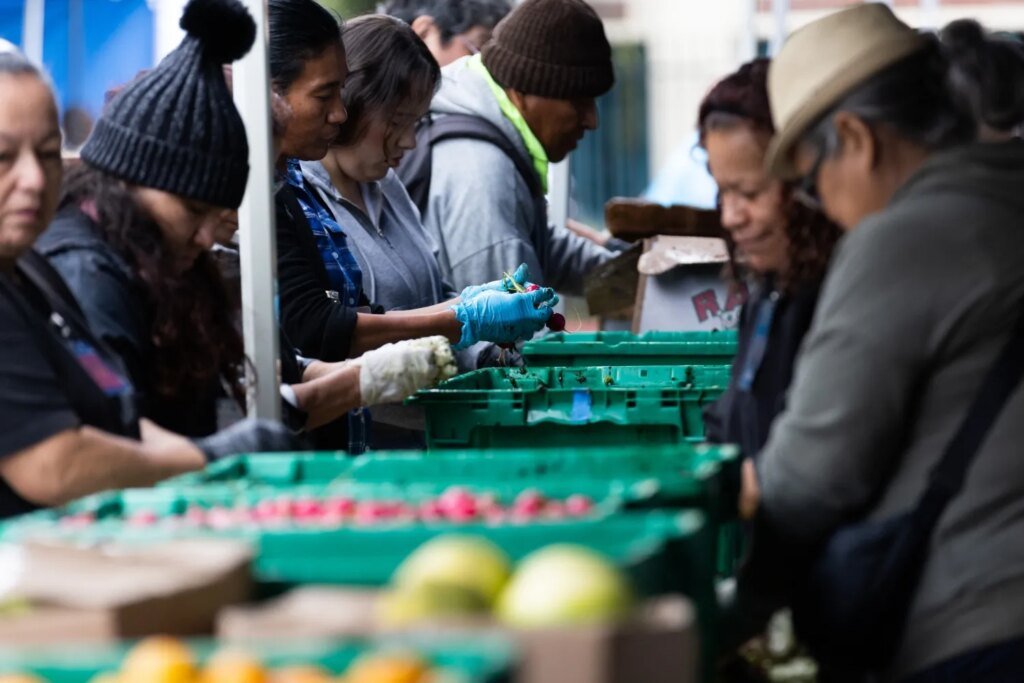
In the face of these challenges, the backbone of support lies in the hands of volunteers who tirelessly dedicate their time. LaVal Brewer, CEO of South County Outreach, highlights the indispensable role of human kindness. “Our volunteers are the heartbeat of our operation. They not only distribute food but provide a lifeline for those in desperate need,” she states.
Volunteerism is on the rise, with many individuals viewing their contributions as a calling. For Parker Kuo, a 19-year-old neuroscience student at UCLA, helping with the Seva Collective food pantry aligns with his belief that service is essential, especially as food affordability wanes. “Every week, I see families leave with bags of food that will make their week,” Kuo explains. “I can’t express how important this work is in such times.” His sentiments reflect broader findings in studies on community service, which show that volunteering not only increases social cohesion but positively impacts mental health for both volunteers and recipients.
Adapting to Changes: The Impact of CalFresh Cuts
As the community braces for drastic changes to CalFresh food stamps, the implications stretch beyond mere hunger. “If CalFresh were to be significantly reduced, we’d see a chain reaction affecting health care and housing stability across the county,” warns Mark Lowry, director of the OC Food Bank. His assertion is backed by research showing that every dollar in food assistance generates up to $1.70 in economic ripple effects, underscoring the vital link between food security and overall community health.
The cuts threaten not only the immediate provision of food but could also lead to longer-term economic consequences for families already teetering on the edge of vulnerability. “We might see more evictions, increased visits to emergency rooms, and a rise in homelessness,” Lowry elaborates. “It’s a perfect storm that we cannot afford to ignore.”
Empowering Resilience Through Community Initiatives
Several organizations are innovating ways to further assist families amidst the uncertainty. Seeds for Seva is one such initiative, distributing garden seeds to families. “We want to empower people to grow their own food as a supplement, especially with inflation issues,” remarks Deena Singh, a 15-year-old volunteer spearheading the project. This holistic approach reflects a growing trend in community food security initiatives, blending immediate aid with long-term self-sufficiency strategies.
Food pantries also serve as social hubs where individuals connect, share experiences, and find solace. Volunteers like Olga Vargas, who have dedicated years to the Latino Health Access food distribution, stress the importance of human connection. “Sometimes, people just want to talk, to feel seen. It’s not just about food; it’s about feeling part of a community,” she says.
Voices from the Frontlines
The stories of volunteers and recipients alike paint a vivid picture of struggle intertwined with hope. Raul Ledesma, who has volunteered at Latino Health Access for two years, expresses, “It’s tough to see so many families needing help, especially with the current state of affairs. But when you see a smile on someone’s face after they get food, it makes it all worthwhile.”
As the season of giving approaches, the ongoing challenges posed by economic shifts make the work of food banks and volunteers all the more urgent. With Thanksgiving right around the corner, both food banks are gearing up for heightening needs. Tom Burger, a volunteer coordinator at the OC Food Bank, quips, “We know people need help, and we are determined not to let anyone go hungry during the holidays.” The spirit of altruism thrives in Orange County, a reminder that community solidarity can withstand even the harshest storms.
As families gather around Thanksgiving tables this year, many will be acutely aware of the efforts made by volunteers, using their time and heart to nourish not only bodies but also the very fabric of community resilience.


