The Importance of Chafing Gear in Marine Safety
Chafing gear may not garner attention like other boat equipment, but its significance cannot be overstated. Acting as a protective barrier between boat lines, hoses, and abrasive surfaces, it plays a crucial role in maintaining vessel safety. This article delves into the mechanics of chafing, the various types of chafing gear available, DIY solutions, and essential maintenance tips to prolong your lines and hoses’ lifespan.
Understanding Chafing and Its Impact
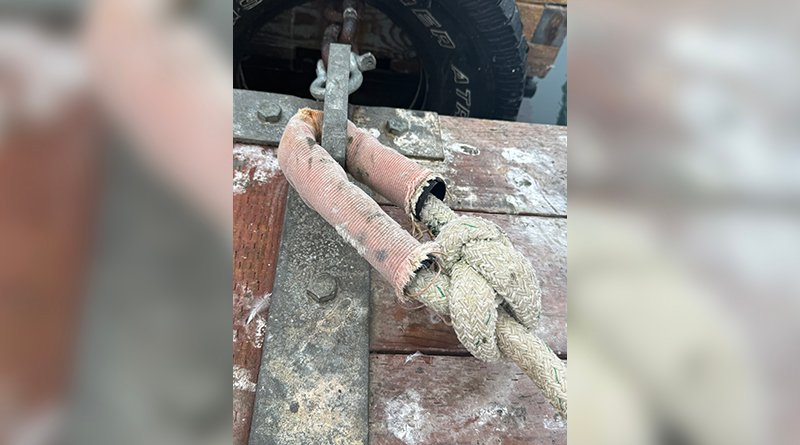
Chafing is a gradual wear on materials due to friction, a common occurrence with boat lines and hoses subjected to constant movement and vibration. For example, dock lines can rub against cleats, pilings, or fairleads, causing fibers to fray and weaken over time. This wear can lead to serious failures, particularly during adverse weather conditions. Rubber hoses in engine compartments are also vulnerable, as they may vibrate against other components, leading to splits or leaks. To prevent such failures, chafing gear serves as a sacrificial layer that absorbs damage, allowing lines and hoses to function effectively for longer.
Types of Chafing Gear
Commercial options for chafing gear are abundant and versatile. Companies such as Taylor Made produce UV-resistant polyester chafe guards that easily slide through chocks, ensuring durability against harsh marine environments. These products are designed to withstand sun, salt, and abrasion, providing long-lasting protection for dock and mooring lines. Other options include Velcro-style sleeves, canvas wraps, and heavy-duty webbing guards that can be installed without untying your lines.
For those seeking traditional aesthetics or a more permanent solution, leather chafe guards remain a favored choice due to their natural strength and flexibility. Alternatively, lightweight nylon or canvas sleeves are ideal for temporary protection, easily accommodating lines before docking or anchoring. The wide range of commercial products ensures that boaters can find an effective and suited solution for their specific needs.
DIY Chafing Gear Solutions
Many boaters turn to do-it-yourself solutions for custom-fit or budget-friendly chafing gear. One effective method utilizes sections of old fire hoses, often available for free from local fire departments. Fire hoses are crafted to endure friction and are designed to be breathable, making them excellent candidates for marine applications. To create your own chafing gear, cut a section of fire hose approximately twelve to eighteen inches long, and secure it to your boat or dock, ensuring that it remains stationary while allowing the main line to slide smoothly through the sleeve.
While some may opt for garden hoses, it’s important to note that they can trap heat and moisture, potentially damaging synthetic lines. Fire hoses and canvas materials are preferable as they ventilate air and water, reducing the risk of overheating.
Protective Measures for Engine Hoses
The process for protecting smaller hoses in engine compartments is similar. Start with a larger diameter hose and cut it to a length suitable for slipping over the smaller hose needing protection. This approach shields sensitive hoses from engine vibrations that can cause them to rub against brackets or bulkheads, prolonging their life. Always select a hose width that fits snugly around the line without compressing it, allowing free movement essential for performance.
Maintenance Tips for Dock Lines and Chafing Gear
Properly caring for dock lines is crucial for their longevity. Even the best marine-grade lines will weaken under UV exposure, saltwater, and friction. Regularly inspect your lines for fraying, stiffness, discoloration, or any signs of wear. Manufacturers recommend replacing dock lines approximately every five to seven years, depending on usage and exposure conditions.
To extend their lifespan, rinse lines with fresh water after saltwater exposure and store them out of direct sunlight. Avoid leaving them under constant tension and check chafing gear regularly for cracking or splitting. Treat your dock lines like essential safety equipment, performing routine inspections to ensure reliability and performance.
Conclusion: The Silent Guardian of Your Vessel
Chafing gear may operate unnoticed, but its crucial function for vessel safety cannot be ignored. Whether you opt for commercial products or DIY solutions, the key is to invest in preventive measures. By installing chafing gear before visible wear occurs, you safeguard your lines and hoses, ensuring they remain effective when needed the most. With a small investment of time and resources, boaters can enhance their equipment’s longevity and protect their vessels from costly damages.
For more tips on marine safety and equipment maintenance, visit BoatUS. Emphasizing the importance of small yet impactful details, investing in chafing gear demonstrates a commitment to reliability and safety on the water.
This article is based on reporting from thelog.com.
The original version of the story can be found on their website.
Original Source:
thelog.com
Image Credit: thelog.com ·
View image