Navigating Southern California’s Foggy Waters: Understanding MRASS
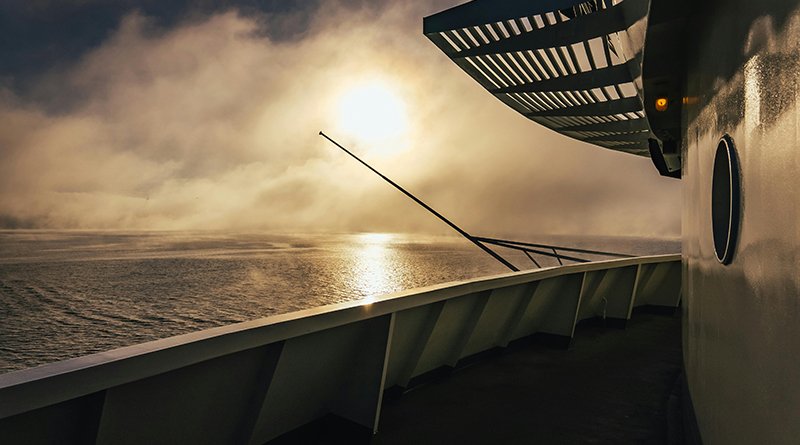
As Southern California enters the late fall and winter months, boaters face a familiar challenge: dense fog. This seasonal phenomenon, characterized by cool mornings and increased humidity, creates low visibility conditions that can complicate navigating its beautiful harbors and coastlines. From Dana Point to Ventura, fog can appear unexpectedly, turning a standard journey into a careful, slow-moving endeavor. Understanding how to navigate these foggy conditions is essential for all mariners in the region.
The Challenge of Fog for Mariners
Fog often presents one of the most daunting conditions for boating enthusiasts. When visibility drops suddenly, it calls for heightened awareness and care. The U.S. Coast Guard has recognized this issue and has implemented significant technological advancements to improve safety for boaters. Among these is the Mariner Radio Activated Sound Signal (MRASS), a modern solution designed to reduce accidents associated with fog navigation. For additional information on fog navigation, visit the U.S. Coast Guard’s safety guidelines.
The MRASS Advantage
The Coast Guard has made strides in changing how fog signals operate along the Southern California coastline. MRASS replaces older systems that previously activated automatically but could be unreliable in certain conditions. According to Coast Guard spokesperson Lauren E. Giancola, MRASS has been strategically placed at critical navigation aids, particularly at harbor entrances and busy waterways where fog is frequent. This intelligent installation not only enhances safety but also takes into account real-time mariner feedback.
How to Operate MRASS
One of the standout features of MRASS is its user-centric design. Boat operators can now activate the foghorn at their discretion. Utilizing a standard VHF radio tuned to the designated channel on their nautical charts, boaters can initiate the fog signal with a simple five or six quick key presses. Once activated, the sound typically lasts for about one hour, providing vital acoustic guidance during foggy conditions. For detailed instructions, mariners can refer to the Coast Pilot or other relevant nautical resources.
Enhanced Safety and Efficiency
The benefits of MRASS extend beyond mere convenience. It improves the overall efficiency and safety of marine navigation. Giancola notes that this innovation reduces unnecessary sound emissions and conserves energy, which ultimately prolongs the equipment’s lifespan. Additionally, it empowers boaters by allowing them to activate fog signals only when necessary, reducing distractions and ensuring the sound guidance is available exactly when it’s needed. This feature stands in contrast to older systems that would automatically sound during low visibility, often causing confusion.
Best Practices for Boaters
While the MRASS system offers a powerful tool for navigational safety, it’s important that mariners complement its use with sound seamanship practices. The Coast Guard advises boaters to maintain a proper lookout, adhere to safe speeds, and utilize all available navigation tools, including radar and GPS, to avoid collisions. To activate MRASS, keying the VHF-FM radio on Channel 83A (157.175 MHz) is essential. Familiarizing oneself with the operating procedures and channel assignments outlined in the Coast Guard Light List and nautical charts can ensure efficient and proper use.
Looking Ahead: The Future of Navigation Aids
The Coast Guard remains committed to modernizing navigation aids along the California coast, with MRASS representing a significant leap forward in enhancing maritime safety. As foggy conditions persist in Southern California, mariners are encouraged to familiarize themselves with the MRASS system and other nautical tools, ensuring a safer boating experience. For additional resources, visit the Coast Guard’s interactive aids to navigation page.
By understanding and utilizing these modern navigational tools, boaters can confidently navigate the tranquil yet sometimes treacherous waters of Southern California, ensuring that foggy mornings do not sideline their maritime adventures. By prioritizing both technology and traditional seamanship skills, boaters can enjoy the serene beauty of the coastline while maintaining safety at sea.
This article is based on reporting from thelog.com.
The original version of the story can be found on their website.
Original Source:
thelog.com
Image Credit: thelog.com ·
View image