



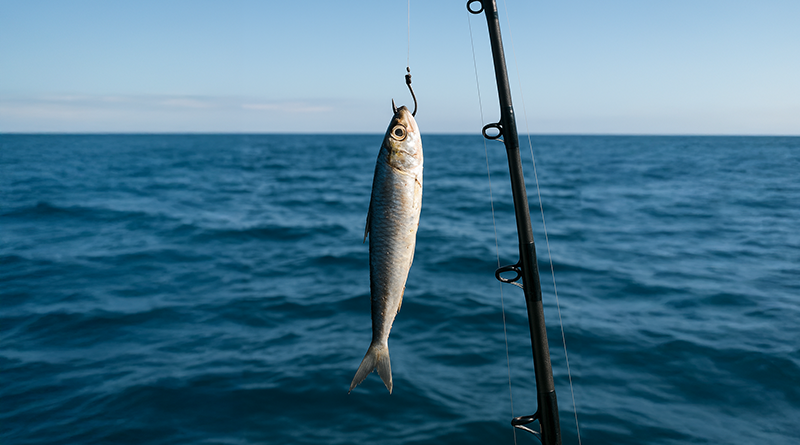
The Art of Fishing with a Dead Sardine: Embracing the Chaos
Fishing is often described as a peaceful, meditative experience, but anyone who has spent time on a rental boat knows that chaos lurks around every corner—especially when renters commandeer the reels. From the moment you arrive at the dock, there’s an electric buzz in the air that is hard to ignore. Rental rods clatter as novice anglers fumble with them, sardines slip from their grasp onto the deck, and the inevitable tangling of lines begins. Amid this chaos, one trend remains constant: many anglers choose to stick with bait that is, quite frankly, past its prime. This article explores the fascinating and humorous world of fishing with a dead sardine and what it really means to be a dedicated angler.
The Life of a Sardine—Or Lack Thereof
One of the most bewildering aspects of fishing is the seemingly unwavering loyalty to the bait that is clearly no longer appealing. In every fishing expedition, there’s usually a guy, perhaps seated next to you, proclaiming that his sardine is simply "seasoning" in the current. Meanwhile, the bait dangles lifelessly in the sea, evoking more pity than interest from the fish that pass by. As seasoned fishermen know, a sad sardine is an ineffective lure. Yet, inexplicably, many anglers insist it’s the key to attracting fish. If you’re looking for tips on selecting fresh bait before heading out, visit FishChoice.
The Struggles of Jigging
Take, for example, those serious about their jigging rods. I once set out on a rockfishing trip, fully optimistic that my deep-sea technique would yield a bountiful catch. Yet, as I painstakingly dropped my weight down to depths of 600 to 700 feet, I faced mounting frustration. I managed to land a sad chilipepper rockfish—the size of a mere baitfish—while the inexperienced angler next to me swiftly reeled in double biters on her two-dead-sardine line. It’s a humbling experience that raises the question: does dedication to one’s methods really pay off, or is fishing simply a game of luck?
Fishing with an unappealing bait can take a certain level of conviction. It requires complete denial of the reality that is becoming evident: the bait is on the verge of mutiny. With blown gills, vacant eyes, and an aroma that could be classified as "biologically weaponized," one must ask, at what point do you let go of your beloved but decrepit sardine? For more insights, consider reading up on the effects of bait freshness on fish attraction at World Fishing Network.
The Five-Step Guide to Fishing with a Dead Sardine
Step 1: Deny Everything
The first step to mastering the art of fishing with old bait is denial. When the deckhand suggests replacing your sardine, be offended. "It’s just… tired," you could say, giving your bait a name—perhaps "Carl." Nothing solidifies your status as a seasoned angler quite like addressing your bait as if it were a part of the family.
Step 2: The Art of Stillness
Next, embrace stillness. A master angler recognizes that a dead bait requires serenity. Forget about reeling in or even blinking. Instead, meditate on the beauty of your decomposing chum, imagining it as a fluttering figure in the current. This form of zen will keep the fish at bay, you’ll tell yourself!
Step 3: Gaslight the Ocean
When someone asks how long your bait has been down, respond with unwavering confidence: "This is what the big ones want." Speak loudly and carry conviction, as if rewriting marine biology with every passing moment. It’s all about projecting an image of assuredness even when your bait is nothing more than a soggy mess.
Step 4: Pretend It’s Strategy
When fellow anglers reel in their catch, nod wisely and say, "Yes, I’m letting the smaller ones pass." Artfully imply that you are fishing for quality, not quantity. The truth is, the only thing you may be fishing for is sympathy and a spot on the rail next to successful anglers.
Step 5: Ride the Shame Spiral with Grace
After an extended wait, you will likely reel in something that could make even a seabird flee in terror. Your catch might look more like a relic from a tidepool than a prized fish, but hold your head high. The crew may applaud your dedication while the captain shakes his head, muttering about "natural selection." In the end, embrace your unconventional fishing aesthetics.
The Lasting Legacy of a Dead Sardine
Ultimately, the irony remains: fishing with a decrepit sardine isn’t solely about catching fish; it’s about performance. It’s about making a statement that relishes in the absurdity of the experience. While catching dinner might be the primary objective for some, others revel in the drama and unpredictability of fishing. You’re not just after lunch; you’re ensuring that the essence of fishing resonates with drama, chaos, and perhaps a little laughter.
So, hang that zombie sardine with pride! Ignore the whispers from the deckhands and the skepticism swirling around you. What you are pursuing isn’t a meal; it’s about leaving a legacy of unforgettable fishing tales. Anyone can catch a fish, but it takes real skill and panache to make a rotting sardine seem like more than just bait.
Conclusion
Despite the challenges, fishing can be an exhilarating adventure filled with unique experiences. Whether you’re a novice or a seasoned angler, the intricacies of fishing—especially with unconventional bait—offer lessons in patience, humility, and humor. Visit TakeMeFishing to learn more about improving your fishing skills and making the most out of your time on the water. While my last fishing trip might not have ended with heaps of fish, the art of fishing with a dead sardine opened my eyes to the drama and camaraderie that makes this pastime endlessly captivating. Let’s embrace the chaos—you never know what stories you’ll bring back to shore.
This article is based on reporting from thelog.com.
The original version of the story can be found on their website.
Original Source:
thelog.com
Image Credit: thelog.com ·
View image


