






Understanding Lightning Protection for Your Boat: A Comprehensive Guide
Lightning strikes are rare but devastating events, especially for boat owners. While the odds of a person being struck by lightning on land are approximately 1 in 1.2 million per year, the risk significantly increases when you are on the water. Data from BoatU.S. insurance reveals that about 1.5 out of every 1,000 powerboats and even more sailboats are struck annually. This raises an essential question for boaters: If your vessel is hit, are you adequately prepared? Unfortunately, many boat owners may not realize the extent of the damage a lightning strike can inflict, especially on modern boats that rely heavily on advanced electronics for navigation and communication.
A well-documented example demonstrates the potential damages a lightning strike can cause. A 60-foot sportfishing boat experienced a mild strike while docked, leading to catastrophic failures of its electronic systems and other crucial components. Despite having proper bonding systems in place, the lightning traveled through the boat’s wiring, causing engines to stall and electronics to fail. Electrical engineer James Cote explains that lightning can span all electrical frequencies, allowing it to transfer energy between wires without direct contact. This results in the immediate malfunction of devices like autopilots and chartplotters, amplifying the damage many boaters underestimate.
A major misconception in boating communities is that basic electrical protections like fuses and circuit breakers safeguard boats against lightning strikes. However, Andrew Bucchin from EMP Shield Inc. emphasizes that most recreational boats lack true lightning protection systems. Existing components are often ill-suited to handle the massive power of a lightning strike, frequently leading to severe damage. Bucchin urges boat owners to realize that a dedicated lightning protection system, designed to manage the more than 100,000 volts that accompany a lightning strike, is essential for preserving their vessel’s electronics and safety.
Many boats depart from manufacturers with only basic lightning protection that may keep structural damage to a minimum but fail to shield sensitive electronic systems—increasing vulnerability during a storm. Dr. Ewen Thomson, a marine lightning expert, highlights how poorly designed or nonexistent grounding systems can exacerbate damage during a strike. Side flashes, where lightning jumps unpredictably between metal components, can create significant issues. Protection systems designed to create a low-resistance path to ground can prevent these devastating side flashes and mitigate overall damage.
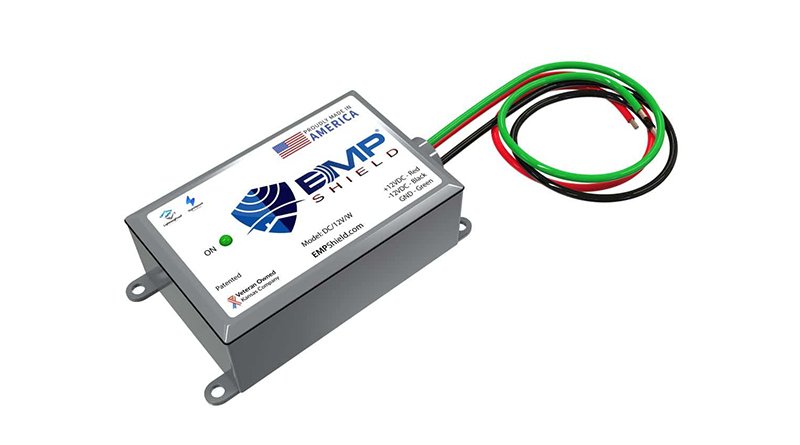
As lightning protection technology has evolved, so has the complexity of modern boats. Bucchin notes that lightning protection strategies have become more sophisticated, especially with the increased fragility and sensitivity of marine electronics. One modern approach referred to as "zone protection" involves placing high-performance surge protective devices (SPDs) at every point where power enters the boat. This method ensures the entire electrical system remains shielded against massive surges, as lightning seeks the most vulnerable points of entry. By integrating multiple layers of protection, boaters can safeguard their instruments and reduce the chances of losing multiple systems in one strike.
To modify your boat’s protection effectively, Bucchin recommends three key strategies: first, map your boat’s entire electrical layout to identify all entry points; second, install high-quality, marine-rated surge protection at each of those points; and third, verify and improve the grounding and bonding systems. Adequate grounding ties everything together, allowing surge protectors to divert energy harmlessly overboard rather than through sensitive electronics. Proper installation is crucial, as even the best technology can fail due to improper placement or design.
Navigating the complexities of lightning protection may appear daunting, but proactive measures can significantly mitigate risks. Boat owners should not only familiarize themselves with the principles of how lightning behaves but also actively assess and upgrade their systems. While lightning can never be fully prevented, its potential for destructive outcomes can be greatly reduced with proper preparation. Comprehensive resources for evaluation and improvement are available—ensuring you can enjoy safe boating experiences even in adverse weather conditions.
For more insights and resources on enhancing your boat’s lightning protection system, visit BoatUS for expert advice tailored to meet the needs of every boater. By prioritizing lightning protection, you not only safeguard your investments but significantly enhance your safety while out on the water. Safe boating demands vigilance and understanding, particularly when it comes to protecting against the forces of nature.
This article is based on reporting from thelog.com.
The original version of the story can be found on their website.
Original Source:
thelog.com
Image Credit: thelog.com ·
View image


