






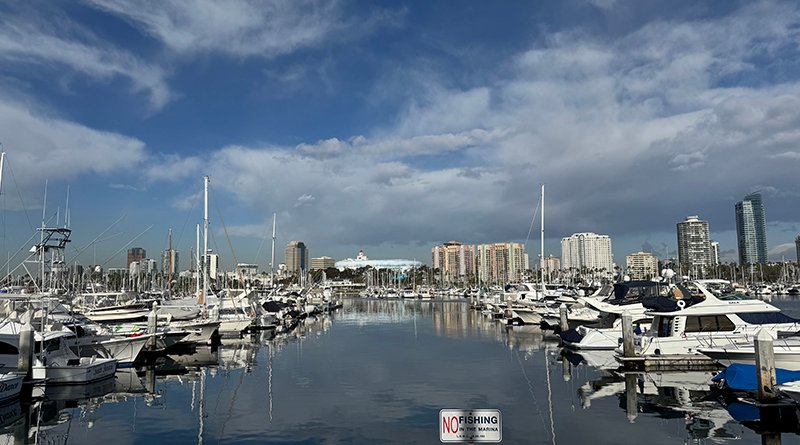
Discovering Long Beach Harbor: A Unique Convergence of Industry and Recreation
Long Beach Harbor stands as a captivating emblem of Southern California’s maritime history, where global trade, recreational activities, and rich traditions intertwine in a dynamic waterfront setting. Spanning over a century, this harbor has evolved dramatically from a tranquil seaside town into one of the busiest ports in the world, reflecting the layered history and changing relationship between the city and the sea.
A Historical Overview
The roots of Long Beach Harbor trace back to the late 1800s, when the area was primarily a small fishing town with natural anchorage and calm coastal waters. The transformation took a decisive turn in the early 20th century, marked by the creation of breakwaters and essential port infrastructure, paving the way for the modern [Port of Long Beach]. Today, this hub serves as a significant gateway for international trade, making it a critical economic asset for the region.
A Seamless Blend of Industry and Recreation
Long Beach Harbor skillfully balances its industrial heavyweights and recreational boating culture. With the establishment of protected waters behind the breakwaters, a diverse range of marinas, sailing programs, and sportfishing operations have thrived. This harmonious blend is emblematic of what sets Long Beach Harbor apart, as the area continues to entice both seasoned sailors and novices alike.
Alamitos Bay highlights this recreational spirit, serving as the core of the city’s small-boat and sailing community. The bay’s placid waters are surrounded by neighborhoods like Naples Island and Belmont Shore, offering an ideal environment for activities ranging from youth sailing lessons to kayaking. Notably, Alamitos Bay remains one of the best-protected boating environments in Southern California, making it an excellent entry point for new boaters.
Architectural Icons and Community Heritage
Naples Island, inspired by Venetian aesthetics, affirms Long Beach’s early waterfront ambitions with its iconic canals and bridges, enriching the area’s boating culture. Developed in the early 1900s, Naples continues to celebrate life on the water, serving as a reminder of the intertwined histories of residential life and maritime activities.
Moving towards downtown, Rainbow Harbor’s redevelopment in the late 20th century illustrates Long Beach’s effort to reconnect with its shoreline. This area serves as a marina that also prioritizes public engagement through parks, restaurants, and cultural attractions. One significant highlight here is the [Queen Mary], a historic ocean liner permanently docked since 1967 that reminds visitors of the golden age of maritime travel.
Industry Meets Tradition
As one heads westward, the harbor’s landscape begins to take on an industrial tone, blending seamlessly with the operational areas of the Port of Long Beach and the neighboring Port of Los Angeles. This section is teeming with commercial vessels, but recreational boating continues to have its share. Sportfishing operations thrive in this dynamic environment, allowing countless anglers to engage with the pacific waters and celebrate a cherished local tradition of fishing trips, especially to nearby [Santa Catalina Island].
Marinas and Community Spirit
Throughout Long Beach Harbor, various marinas host a vibrant tapestry of boating lifestyles. Each facility caters to different types of vessels, from luxurious yachts to simple skiffs, fostering rich community bonds among liveaboards, long-time families, and newcomers eager to learn the art of seamanship. These marinas serve as gathering spots where stories are exchanged, boating traditions passed down, and lifelong friendships formed.
A Sustainable Future
In recent years, environmental stewardship has become a significant focus for Long Beach Harbor. The long history of industrial use brought various challenges; however, the city has also emerged as a leader in sustainability and coastal restoration efforts. Initiatives aimed at improving air quality and habitat restoration are now integral parts of the harbor’s narrative. Recreational boaters and anglers engage in these conversations, fostering a sense of shared responsibility for the harbor’s ecosystem.
Conclusion: Long Beach Harbor’s Enduring Legacy
What makes Long Beach Harbor truly unique is not the individual marinas, terminals, or attractions, but rather the synergy between them. As multifunctional waters, the harbor allows for container ships, sailboats, and even gondolas to coexist, crafting a shared urban experience. This adaptability—transitioning from a shallow anchorage to a thriving global trade hub—is what ensures Long Beach Harbor remains vital to the community and economy alike.
In essence, Long Beach Harbor is not merely a location; it is a vibrant narrative that unfolds daily, representing progress, community, and a loving relationship with the sea. Whether for boaters, fishermen, waterfront residents, or visitors, the harbor enriches lives and shapes the heartbeat of Southern California’s maritime culture. Discover the charm and complexity of Long Beach Harbor by visiting the City of Long Beach official website for more information on activities and events.
This article is based on reporting from thelog.com.
The original version of the story can be found on their website.
Original Source:
thelog.com
Image Credit: thelog.com ·
View image


