

Addressing the Alarming Rise in Skateboarding Fatalities: A Call to Action
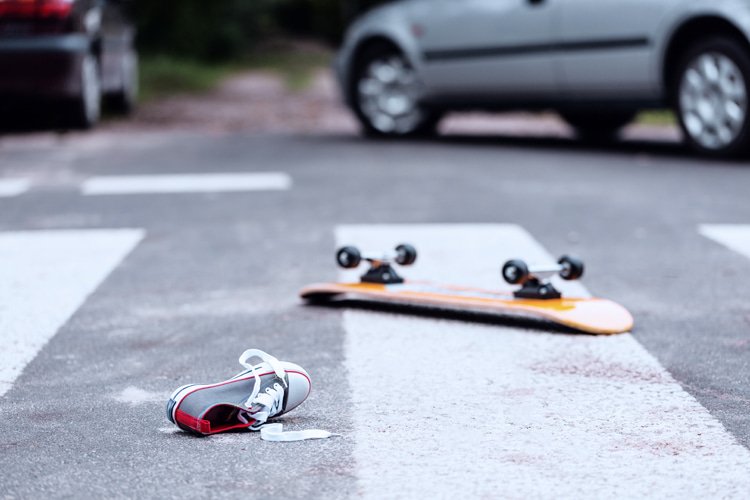
The increasing fatalities among skateboarders demands immediate attention and a comprehensive strategy to combat this growing crisis. Skateboarding, once a thriving and vibrant culture, is now leading to a startling number of deaths, surpassing even surfing fatalities in the 21st century. Data from recent studies indicate that between 2011 and 2015, at least 147 skateboarders tragically lost their lives due to vehicle collisions and road accidents, averaging nearly 30 deaths annually. To put things into perspective, these numbers align skateboarder fatalities with those of pedestrians and cyclists, revealing an urgent need for improved safety measures and awareness within the community.
According to the National Safety Council (NSC), the skateboarding-related injuries are also alarming, with over 221,000 individuals receiving emergency room treatment in 2023. A significant portion of these injuries—approximately 60,000—occurred in young people between the ages of 15 and 24. As shocking headlines proliferate, including tragic stories of skateboarders getting struck by vehicles across various cities, it’s clear that this ongoing issue requires a multidimensional approach for resolution. For more information on skateboarding safety, surf over to the NSC’s official website.
Understanding the Risks Facing Skateboarders
One primary factor contributing to the high fatality rate among skateboarders is the legal framework governing their status on public roads. In many U.S. states, skateboarders are classified similarly to pedestrians. However, they travel at speeds that can be up to three times faster than pedestrians and are often as fast as cyclists. The introduction of electric skateboards complicates matters further, as they are capable of exceeding speeds of 30 miles per hour. This mismatch between speed and the legal categorization of skateboarders places them at increased risk of accidents with motorized vehicles, compounding their vulnerability on roadways.
Despite these challenges, skateboarders can take steps to minimize their risk while riding. Wearing proper protective gear is essential; this includes a safety standard-approved helmet, knee pads, elbow pads, wrist guards, and thick clothing. Additionally, respecting local laws regarding skateboarding in public areas is vital for personal safety. Parents should closely monitor their children’s skating activities, ensuring they refrain from dangerous practices such as riding in traffic, using headphones, or hitching rides with vehicles. Awareness and adherence to safety guidelines can significantly mitigate risks for skaters.
The Role of Authorities in Enhancing Safety
While individuals play a crucial role in their safety, local, regional, and national authorities also have a responsibility to mitigate skateboarding-related accidents. One effective strategy could involve improving traffic signaling, especially in high-footfall areas such as near schools and skateparks. Implementing surveillance cameras in hazardous locations can deter reckless behavior and encourage skaters to avoid dangerous roads. Strategic police patrols during times when accidents are more likely to occur could enhance safety further.
Educational campaigns are also essential for fostering awareness within the skateboarding community about the risks of sharing urban spaces with vehicles. Such initiatives could include workshops explaining safe riding practices and promoting adherence to traffic laws. By collaborating with local skateboarding organizations and aiming to reach young riders directly, officials can cultivate a culture of safety that prioritizes the lives of skateboarders.
The Dangers of Electric Skateboards
The rise of electric skateboards has coincided with a frightening increase in accidents involving skateboard users. Offering speeds far beyond what traditional skateboards can achieve, e-skateboards present unique challenges. Riders, often inexperienced with these high-velocity instruments, are at an elevated risk of losing control or colliding with vehicles or obstacles. Ground imperfections, such as cracks or loose stones, present additional hazards, leading to potential accidents at high speeds.
Unlike traditional braking methods, e-skateboards can be nearly impossible to stop suddenly, risking the user’s safety as they could be thrown forward during abrupt halts. Additionally, the current infrastructure often lacks designated spaces for electric skateboard riders, increasing their exposure to vehicle traffic. Without appropriate regulations governing their use, electric skateboards become a significant safety risk for both riders and pedestrians alike.
A Collective Responsibility to Save Lives
To address this unsettling rise in skateboarder fatalities, it is essential for all stakeholders—including skateboarders, local authorities, health organizations, and law enforcement—to take action. Advocacy for stricter safety regulations for skateboarders, especially concerning electric variants, is necessary to safeguard lives. Increased community engagement and the promotion of skateboarding as a safe, enjoyable activity are vital components in quelling this alarming trend.
Programs aimed at educating skaters of all ages on the importance of safety precautions could make a difference. Collaboration with organizations that specialize in youth safety can offer valuable resources to promote responsible skating behaviors. Furthermore, fostering partnerships between skateboarding communities and urban planners can help create safer recreational spaces that cater specifically to skateboarders, thus encouraging safe practices in an environment conducive to skating.
In Conclusion: Making Skateboarding Safe Again
It is unacceptable for our communities to consistently witness the tragic loss of young lives due to skateboarding accidents. By uniting efforts across different sectors—from legislative changes and community awareness campaigns to active participation within the skateboarding community—we can create a safer environment for skateboarders. Enhanced legal frameworks, better road infrastructure, and rigorous education programs are critical for turning the tide on safety in skateboarding.
Ultimately, it is our collective responsibility to ensure that skateboarding remains a joyous and safe activity for both current and future generations. Together, we can combat the alarming statistics and promote a culture of safety within the skateboarding community. For further guidance on safe practices and community outreach resources, explore organizations dedicated to skateboard safety and education.
By working together, we can make skateboarding safe again.
For additional insights into safety on wheels, check out resources from Skate Safe and join the conversation about protecting our skateboarders today.
This article is based on reporting from www.surfertoday.com.
The original version of the story can be found on their website.
Original Source:
The rising toll of skateboarder deaths on our roads
Image Credit: www.surfertoday.com ·
View image