






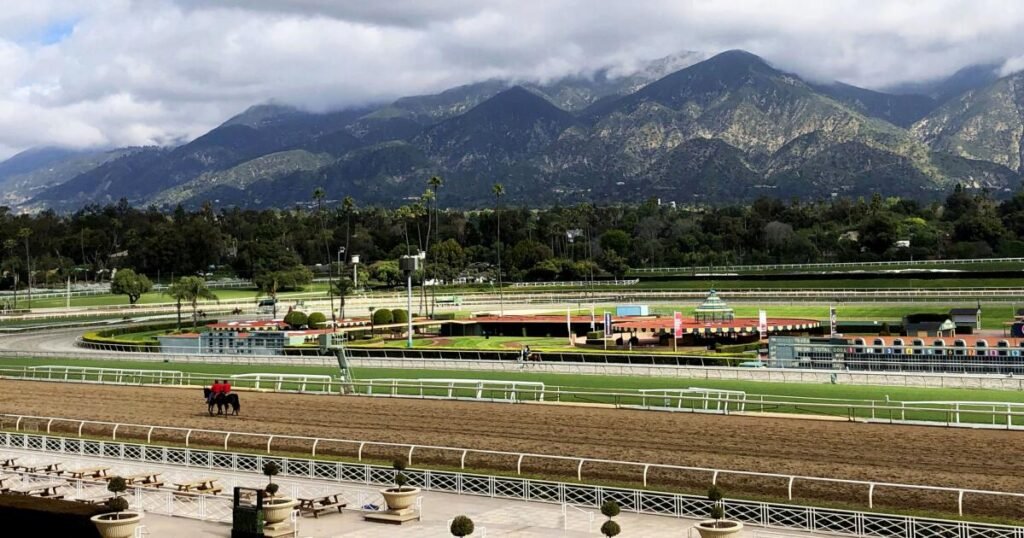
Santa Anita Park: Challenges in Horse Racing Purses and Attraction
Santa Anita Park, a historic venue in California, is currently witnessing significant changes in its horse racing landscape. With declining purses and fewer horses entering races, challenges are mounting for stakeholders. The stark difference in purse amounts compared to tracks like Gulfstream Park and Oaklawn Park highlights the growing competitiveness among racing venues. This article delves into the dynamics of purses, the impact on racing entries, and the potential for revitalization.
The Purses Landscape at Santa Anita
Understanding the purse structure at Santa Anita Park is straightforward for horsemen. The minimum purse for graded stakes races aligns with regulations across North America: Grade 1 races offer a purse of $300,000, Grade 2 races provide $200,000, and Grade 3 races come in at $100,000. However, exceptions like the Santa Anita Derby often draw scrutiny due to its relatively low payout of $500,000, especially as it had previously stood at $750,000 from 2021-2024. This reduced amount is significantly less than the earnings available for prestigious events at Gulfstream and Fair Grounds, where top races can boast purses in the millions.
Impact on Race Entries
The declining purses at Santa Anita have had a tangible impact on race entries. Last year, for instance, the Santa Anita Derby saw only five horses compete, limiting the qualifying points for the Kentucky Derby. Such a scenario not only restricts the competitive nature of the races but can discourage trainers from entering their top horses. With other tracks offering much larger purses, it’s no surprise that Santa Anita struggles to attract the best talent in the sport.
Comparison with Competing Tracks
The competitive landscape is stark. Gulfstream Park’s Pegasus World Cup boasts a staggering $3 million purse, drawing substantial attention from across the nation. Similarly, Oaklawn Park features multiple events for larger purses, making it attractive for horsemen and bettors alike. With these tracks bolstered by revenue from slot machines and casinos, they can afford to offer lucrative stakes that Santa Anita lacks. This disparity raises concerns about Santa Anita’s ability to remain a premier racing destination.
The Strain on Horsemen
For the horsemen operating at Santa Anita, the dwindling purses represent not just a financial strain but also a strategic challenge. Trainers must weigh the benefits of entering their horses in races that do not offer competitive earnings against the probability of success. This situation creates a vicious cycle: as purses decline, fewer horses enter races, leading to even lower purses in future events. The horsemen’s frustration is palpable, as they find themselves at a crossroads in California’s horse racing scene.
Recent Measures and Future Potential
Despite these challenges, Santa Anita Park has raised purses for maiden and allowance races in hopes of rejuvenating interest among competitors. This move is a step in the right direction, acknowledging the need to enhance the competitive edge of the local racing circuit. However, the question remains: Can these efforts sufficiently attract high-caliber horses and restore the park’s status as a premier venue?
Conclusion: The Path Forward for Santa Anita Park
In conclusion, the current state of purses at Santa Anita Park poses significant hurdles for horsemen and the future of the venue. With the disparity in earnings compared to other tracks, attracting top horses and ensuring competitive races will require strategic measures and potentially new revenue streams. As the park aims to navigate these challenges, the horse racing community will be watching to see if Santa Anita can reclaim its position in an increasingly competitive landscape. The need for innovation and adaptation has never been more crucial for the park’s survival and growth in the industry.
This article is based on reporting from www.latimes.com.
The original version of the story can be found on their website.
Original Source:
www.latimes.com
Image Credit: www.latimes.com ·
View image


