



Navigating the 2026 World Baseball Classic: A Delicate Situation for the Dodgers
As the 2026 World Baseball Classic (WBC) approaches, the Los Angeles Dodgers find themselves at a critical junction. The tournament, set to kick off in a few months, requires careful negotiations with their star Japanese pitchers: Shohei Ohtani, Yoshinobu Yamamoto, and Roki Sasaki. While Ohtani has confirmed his participation, the Dodgers grapple with the future of Yamamoto and Sasaki, uncertain how their involvement could impact the team’s performance. In a recent Winter Meetings, Dodgers President of Baseball Operations Andrew Friedman emphasized the importance of maintaining open dialogues with Team Japan. This article explores the complexities surrounding player participation in the upcoming WBC and its potential implications for the Dodgers.
Player Workload and Team Considerations
The Dodgers have a vested interest in ensuring that their star pitchers avoid participating in the WBC if possible. Each of these players contributed significantly during last year’s postseason, with Sasaki making nine bullpen appearances, Ohtani starting four games, and Yamamoto logging an impressive 37 ⅓ innings. With their extensive workloads in the previous season, especially Yamamoto’s remarkable 30 regular-season starts, the Dodgers recognize the need for rest leading into the 2026 season. As Sasaki recovers from a shoulder injury and Ohtani embarks on his first full season as a dual-player, the team has legitimate concerns regarding their health and readiness for the demanding upcoming season.
The Cultural Significance of the WBC in Japan
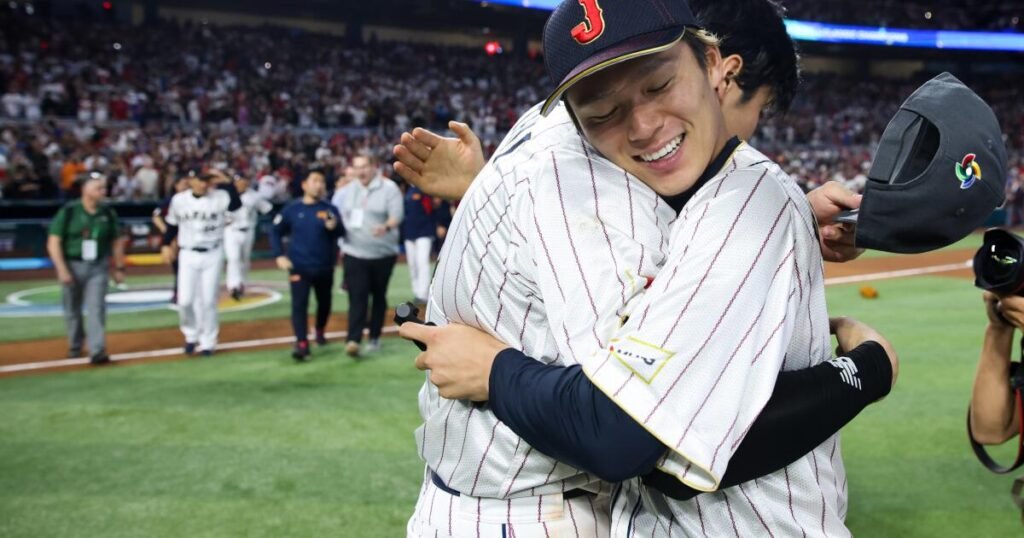
The WBC holds a unique place in the hearts of Japanese fans, often viewed as more significant than the World Series itself. Japan has already secured three WBC titles, including the recent 2023 edition, highlighting the tournament’s cultural importance. The prospect of star players like Ohtani, Yamamoto, and Sasaki sitting out raises the risk of cultural controversy in Japan. The Dodgers’ management understands the significance of this and aims to respect the players’ desire to represent their country while also weighing their physical health.
Delicate Conversations with Players
Manager Dave Roberts acknowledges the sensitive nature of discussions surrounding the WBC, emphasizing that the Dodgers do not want to downplay the emotional weight of representing Japan. The players’ feelings about this potential opportunity matter greatly; therefore, navigating these conversations with care is essential. While the team will strongly consider the players’ mixed emotions, they will also need to address the potential impact on the players’ health and performance. With each pitcher coming off taxing seasons, the balance between national pride and personal well-being complicates this dialogue.
Scheduling Conflicts: A Challenge for Pitchers
This year’s WBC is set to take place from March 5 to March 17, creating additional challenges for players, particularly pitchers. Preparing for the event shifts their training schedule, requiring readiness for live-game action a month earlier than usual. Team Japan’s travel plans exacerbate this tension, as the team has to transition from Tokyo to Miami for the knockout rounds, should they advance. The condensed timeline and potential increase in risk for pitchers make their participation a pressing concern for the Dodgers. Both Roberts and General Manager Brandon Gomes have voiced that cautious management of the pitchers’ workloads during this period remains a top priority.
Team Dynamics and WBC Participation
Other Dodgers players are also weighing their participation in the WBC, with some opting out. First baseman Freddie Freeman faces lingering health issues after battling an ankle injury, while Teoscar Hernández has publicly stated he will not play for the Dominican Republic to focus on the upcoming season. Notably, Will Smith has confirmed his participation for Team USA, showcasing varying levels of commitment among team members. Additional players, including Mookie Betts and Hyeseong Kim, are deliberating their options but have yet to make announcements. This evolving situation adds complexity to the Dodgers’ roster strategy as they prepare for the new season.
Setting the Stage for the Future
The coming weeks should clarify the Dodgers’ participation worldviews as Team Japan gears up to finalize its roster by the new year. With forms submitted regarding player participation, the Dodgers can anticipate further discussions with national teams following this initial round of feedback. As the offseason unfolds, conversations regarding player roles and potential consequences will become increasingly urgent. At this point, the Dodgers face a delicate balance: honor the cultural significance of the WBC while safeguarding the health and performance of their star players, a challenge that requires thoughtful consideration.
As the Dodgers navigate these intricate discussions surrounding the WBC, they stand at a crossroads between organizational priorities and player passions. Finding this balance will be critical as they aim to succeed in the upcoming MLB season while honoring the significance of international competition for their talent. The fluid nature of this situation illustrates the broader implications of global sports and the importance of athlete health, cultural pride, and team dynamics.
This article is based on reporting from www.latimes.com.
The original version of the story can be found on their website.
Original Source:
www.latimes.com
Image Credit: www.latimes.com ·
View image


