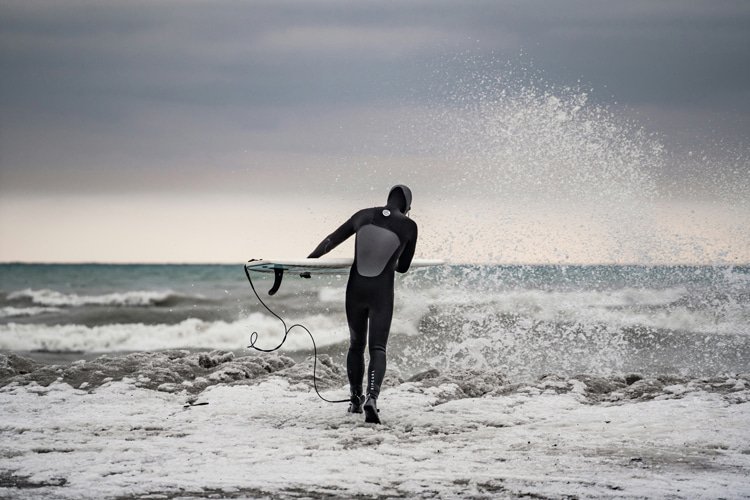
The Ultimate Guide to 5/4/3 Wetsuits: Everything You Need to Know
When it comes to surfing, understanding your gear is essential for both performance and comfort. One of the most critical pieces of equipment is the wetsuit. Among various types, the 5/4/3 wetsuit stands out as a popular choice for cold-water winter surfing, designed to offer insulation while retaining flexibility. This article delves into the specifics of the 5/4/3 wetsuit, exploring what the numbers mean, where it is commonly used, and when to wear one.
Understanding Wetsuit Thickness
The thickness of a wetsuit plays a pivotal role in providing warmth and protection from cold water, which is incredibly important during long surfing sessions. The 5/4/3 wetsuit is structured with differing thicknesses: 5 mm in the torso, 4 mm in the legs, and 3 mm in the arms and shoulders. This distribution allows for maximum insulation where it’s needed most, while enabling enough flexibility to paddle effectively. The emphasis on thinner areas in the arms ensures that surfers can move freely, especially as they wait in the lineup for waves.
For a deeper dive into wetsuit technology, you can check out Surf Science.
Ideal Conditions for 5/4/3 Wetsuits
The 5/4/3 wetsuit is generally suited for water temperatures ranging from 45 to 54 °F (7 to 12 °C). In these colder climates, wearing a thinner wetsuit could lead to rapid heat loss and significantly less fun in the ocean. A good 5/4/3 wetsuit keeps your core warm for extended periods, making it easier to focus on catching waves rather than shivering in the chill.
If temperatures drop further, surfers might upgrade to a hooded 5/4 mm or even a 6/5/4 mm wetsuit for added insulation. To learn more about temperature-specific wetsuit recommendations, visit Wetsuit Wearhouse.
Geographical Suitability
Geographically, the 5/4/3 wetsuit is primarily popular in mid- to high-latitude surf locations during the winter months. In Europe, regions like the UK, Ireland, and northern Spain often see surfers donning these suits to brave the colder waters. Similarly, Northern and Central California, the Pacific Northwest, and parts of the northeastern U.S. also heavily rely on 5/4/3 wetsuits.
Interestingly, regions in South America, especially central and southern Chile and Patagonia, find this wetsuit necessary as well. Even in the Southern Hemisphere, places like Tasmania and New Zealand employ 5/4/3 wetsuits to combat chilly waters. For surfers in Asia, particularly along Japan’s Pacific coast, a 5/4/3 wetsuit is often essential.
Accessories to Enhance Warmth
To optimize warmth while wearing a 5/4/3 wetsuit, most surfers complement it with booties, gloves, and hoods. These accessories help minimize heat loss through extremities. The head, hands, and feet are particularly susceptible to cold, making added insulation a worthy investment. Some 5/4/3 suits even come with integrated hoods, further enhancing warmth. For a wide array of thermal accessories, check out Evo.
When to Transition to a Lighter Wetsuit
Although the 5/4/3 wetsuit is excellent for cold waters, it isn’t ideal for milder conditions. As water temperatures rise above 55 °F (13 °C), most surfers will transition to a thinner 4/3 wetsuit or even a shorty, as the bulk of the 5/4/3 can lead to overheating. Properly gauging weather and water conditions can enhance your surfing experience, so always check local forecasts before heading out.
To find surf forecasts and conditions in your area, visit Magic Seaweed.
Conclusion
The 5/4/3 wetsuit represents a sophisticated blend of warmth and flexibility, making it an essential component of cold-water surfing gear. Understanding its specifications, appropriate usage conditions, and the importance of accompanying accessories can significantly improve your surfing experience. Whether you’re braving chilly Atlantic waters or the freezing Pacific, the right wetsuit makes all the difference. For more detailed surfing gear guides and expert recommendations, explore SurferToday.
This article is based on reporting from www.surfertoday.com.
The original version of the story can be found on their website.
Original Source:
www.surfertoday.com
Image Credit: www.surfertoday.com ·
View image