Mastering the Backside Air Reverse: The Ultimate Guide for Surf Enthusiasts
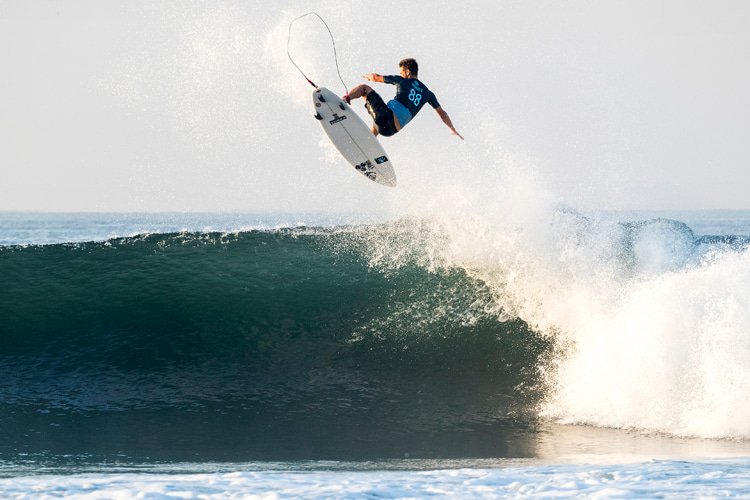
The backside air reverse is one of surfing’s most impressive maneuvers, showcasing athleticism and skill akin to legendary surfers like Gabriel Medina, Kelly Slater, and Josh Kerr. Unlike simpler tricks, this advanced move requires acute wave reading skills, precise timing, and fluid body mechanics. As any seasoned surfer will attest, while the aerial rotation might feel intuitive, the real challenge lies in landing and connecting back to the wave. Successfully executing a backside air reverse opens a world of fun and creativity on the water.
The Right Wave: Key to Success
When aiming to master the backside air reverse, selecting the perfect wave is crucial. Look for a steep, peaky section that allows for strong lifts—ideally, a ramp-like lip that "jumps up" at the end of the wave. Approaching this section on your backside is essential: build up forward momentum through the wave, ensuring you’re charged and ready to launch. If you attempt the jump without sufficient speed, you might end up with a disappointing "chop hop"—a feeble attempt that lacks the excitement of a full backside air reverse. Understanding where and when to catch a wave can make all the difference.
The Comparative Challenge: Backside vs. Frontside
While the backside air reverse offers a smooth feel for many surfers, it presents unique challenges compared to frontside variations. Surfers often find launching off their heelside rail more natural, particularly on steep, wedge-shaped sections. The pop and lift-off can appear more fluid, leading to an easier mid-air spin. However, the landing poses a significant challenge, especially as you must catch the fins first while transitioning from the air back to the wave. Limited visibility can further complicate timing the bottom turn and preparing for lift-off.
Aerial Statistics Speak Volumes
Surprisingly, competitions show that frontside air reverses are attempted and landed more frequently than their backside counterparts. The challenge of landing a backside flip—with its complex transition from air to fins-catching—often makes it a riskier choice. Research into biomechanics also suggests that successful aerials depend on maintaining a stable center of mass and precise foot positioning. These elements are even more critical on backside landings, thus increasing the trick’s overall difficulty.
Step-by-Step Execution of the Backside Air Reverse
To help aspiring surfers refine their skills, here’s a step-by-step guide to successfully executing a backside air reverse:
-
Choose the Right Wave: Look for a steep section that can launch you into the air. Avoid flat waves that will provide insufficient lift.
-
Build Speed: Utilize techniques like pumping down the wave face or executing a bottom turn to generate the necessary momentum. Speed is your friend; it’ll ensure you have enough energy for a powerful pop off the lip.
-
Bottom Turn Into Approach: At the trough, smoothly bottom turn at a 20-30 degree angle. Aim your board upward towards the lip while maintaining speed.
-
Initiate Rotation and Pop: As you ascend the wave face, twist your shoulders and head towards the direction of the spin. Press down on the tail with your back foot and tuck your front knee—this maximizes torque and lift.
-
Go Airborne: As your fins leave the water, maintain a centered position with your knees up. This balance helps you retain control while airborne and prevents the board from drifting away.
-
Land and Absorb Impact: Upon landing, bend your knees to absorb the impact while aiming your tail towards the whitewash or lip of the wave. Proper landing techniques help reduce the risk of wipeouts and maintain momentum.
- Ride Out and Finish Rotation: Use the wave’s energy to help you complete your 360-degree rotation smoothly, ensuring the maneuver ends in a clean ride-out.
Individual Preferences Matter
Ultimately, the ease or difficulty of performing a backside air reverse can also depend on personal preferences. For example, if you’re more comfortable surfing on your backhand, backside airs might come more naturally. Conversely, surfers who primarily engage in frontside turns could find frontside air reverses more intuitive. Becoming adept in either style requires time, practice, and a willingness to push your boundaries—just like the legends you admire.
Conclusion
The backside air reverse stands as a hallmark of advanced surfing skills, blending aesthetic flair with technical precision. With the right wave, a knowledge of speed and timing, plus a solid understanding of body mechanics, this trick can elevate your surfing repertoire. Remember, practice makes perfect, and every attempt contributes to your growth as a surfer.
For more tips and inspiration, visit Surfer Today and immerse yourself in the world of surfing excellence.
This article is based on reporting from www.surfertoday.com.
The original version of the story can be found on their website.
Original Source:
www.surfertoday.com
Image Credit: www.surfertoday.com ·
View image