Surfing in Noosa: An Unforgettable Australian Experience
Surfing in Noosa, Queensland, is an experience that grace the pages of every surfer’s diary. Often overshadowed by the iconic breaks on the eastern coast, Noosa remains a hidden gem, renowned for its small but perfectly shaped waves. The lush headland of Noosa Heads extends into the Coral Sea and sits snugly in Noosa National Park – a tapestry of rainforest trails and ocean viewpoints. Here, the gentle waves aren’t just recognized; they are cherished. Mike Stewart, a surf legend, once stated, “It is harder and we learn more from surfing small waves than bigger waves.” This philosophy resonates deeply within the Noosa surf community, making it a sanctuary for both learners and seasoned pros.
A Surfing Playground Carved by Time
Noosa’s surf culture is characterized by a series of five right-hand point breaks: First Point, Johnsons (Little Cove), National Park, Tea Tree Bay, and Granite Bay. Each spot offers unique characteristics that cater to surfers of all levels. First Point is perfect for beginners with waist-high waves, while Tea Tree Bay is regarded as the jewel of the area. This special spot, located a scenic 20-minute walk through bushland, delivers steep, fast waves that have drawn admiration from surf writers and professionals alike. If you’re looking to take your surfing skills to the next level, don’t miss the chance to ride the perfect, mechanically shaped waves at Tea Tree Bay. For more details, check Surfing Noosa to plan your visit.
The Swell Dance
Noosa’s waves might be sporadic, but when they do arrive, they transform the landscape. The ideal surfing conditions are typically found between December and May, particularly in February and March, when tropical cyclone swells grace the area with warm, clean waves. The winter months also deliver reliable southeast ground swells bolstered by offshore winds, creating a surfer’s paradise. Understanding the local swell patterns can significantly enhance your surfing experience at Noosa. For expert tips, visit Surf Forecasts to stay ahead of the waves.
A Living Surf Museum
With a rich history that stretches back to the late 1940s, Noosa has become a cornerstone of Australian surfing culture. From early pioneers like boardmaker Hayden Kenny to surf legends such as Bob McTavish and George Greenough, this spot has always been a proving ground for new surfing innovations. The annual Noosa Festival of Surfing serves as a celebration of this culture, bringing together surfers from around the world. The event emphasizes community and showcases styles that stick to traditional longboarding techniques. For more information, explore the Noosa Festival.
The Good, the Bad, and the Crowded
While Noosa is indeed a surfing paradise, it’s crucial to understand its dynamics. On prime days, the surf spots can become quite crowded, with hundreds of surfers seeking to catch the perfect wave. Beach etiquette is mostly respected, so it’s essential to be mindful and patient. That said, beginners should be aware of potential hazards, which include rocks, sea urchins, and shallow ledges. When the conditions aren’t ideal at Noosa, nearby beaches like Sunshine Beach, Moffat’s Point, and The Bluff can be good alternatives. For insights into what to expect at these spots, check out Sunshine Coast Surfing.
Getting There and Staying Awhile
Noosa is easily accessible, about an hour and a half drive north of Brisbane via the Sunshine Motorway. If you’re planning to surf during the swell season, early arrival is advisable to secure parking near the National Park. A scenic coastal track links the town to various surf spots, and most surfers find the walk exhilarating as it heightens their anticipation. To make the most of your trip, consider local accommodations ranging from luxurious resorts to budget-friendly hostels. For a comprehensive list of options, refer to Visit Noosa.
Nature, Climate, and Pure Sunshine
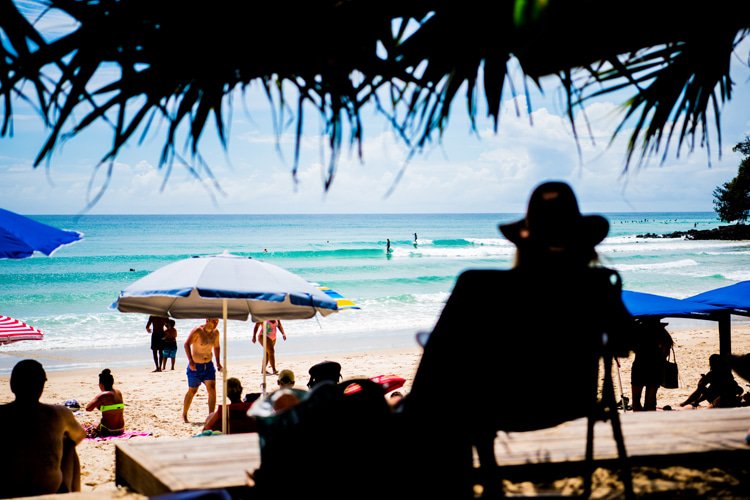
The Sunshine Coast lives up to its name, with Noosa enjoying a subtropical climate that bathes it in sunlight for approximately seven hours a day. The ocean remains warm, with temperatures averaging around 79°F (26°C) in summer. When temperatures can dip between 54°F to 70°F (12-21°C) in winter, a thin wetsuit or springsuit may be necessary, but many surfers enjoy the warm waters completely in boardshorts or bikinis. The rain, mostly short bursts in summer, nourishes the lush rainforest, making Noosa not just a surf spot but a delightful haven of natural beauty. For more information about the area’s flora and fauna, visit Noosa National Park.
Noosa’s surf environment is much more than just small waves; it’s a unique lifestyle that celebrates nature, community, and the exhilarating thrill of catching a wave. Whether you’re a beginner looking to take your first ride or an advanced surfer seeking your next challenge, Noosa offers an unparalleled surfing experience. Check out SurferToday for a wealth of surfing resources, tips, and community engagements to enhance your next trip to this remarkable Australian surf haven.
This article is based on reporting from www.surfertoday.com.
The original version of the story can be found on their website.
Original Source:
www.surfertoday.com
Image Credit: www.surfertoday.com ·
View image