

Exploring Remote Surf Spots by Boat: How to Safely Access Hidden Waves
Surfing has long since transitioned from being a mere pastime to an exhilarating lifestyle, one that beckons adventurers to hidden waves far from the shore. Among the most effective ways to access these pristine surf spots is by boat. However, before setting out on your nautical quest, it’s crucial to understand the essentials of boat-based surfing and how to do it safely.
The Allure of Remote Surf Spots
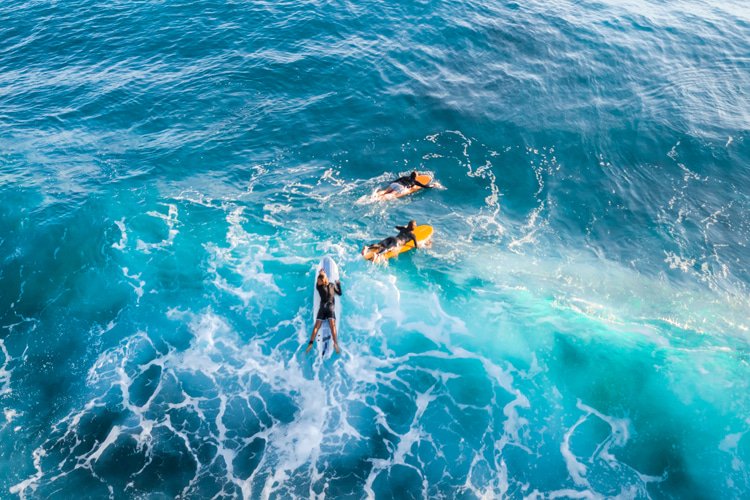
For avid surfers, the thrill of riding waves in untouched locations is unparalleled. Remote surf spots often lead to uncrowded beaches, pristine waves, and a sense of connection with nature. Locations such as Nicaragua and Indonesia host stunning waves that are only reachable by boat, promising a unique surfing experience. Such remoteness often safeguards these spots from overcrowding, allowing surfers to enjoy both the surf and the scenic beauty in peace.
Planning Your Trip
Before setting foot on the boat, planning is essential. Factors such as local weather conditions, tides, and ocean currents can drastically affect your surfing experience. Websites like Magicseaweed offer detailed surf forecasts, vital for selecting the best time to hit the waves. Additionally, make sure to familiarize yourself with the area. Researching local surf breaks will aid in identifying the best spots and potential hazards.
Safety Protocols
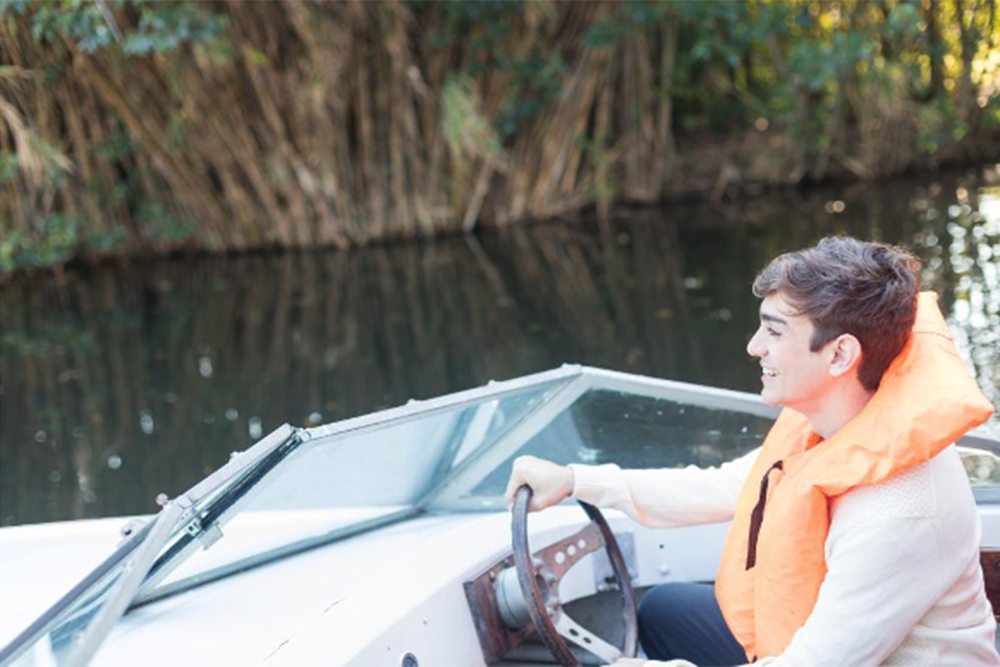
While the thrill of remote surfing is tempting, safety should remain a priority. Always wear a life jacket and ensure that your boat is equipped with necessary safety gear such as flares, a first-aid kit, and a communication device. The Ocean Safety Council offers detailed recommendations for boating safety. Moreover, let someone know your plans and estimated return time; this can be crucial in case of emergencies. Utilizing a reliable marine GPS can also help you navigate back to shore, especially when exploring unfamiliar waters.
Navigating Local Laws and Regulations
Each surfing destination has its unique set of regulations regarding boating and surfing. Some areas may require permits, and it’s essential to understand local guidelines to avoid fines or other legal repercussions. The International Surfing Association provides resources on local laws, as well as best practices for respecting marine life and ecosystems while enjoying your adventure.
Environmental Considerations
When exploring remote surf spots, it is vital to tread lightly. Protecting ocean ecosystems is crucial for both environmental sustainability and the continued enjoyment of these hidden waves. Follow the "Leave No Trace" principle, ensuring that you leave the marine environment untouched. Use eco-friendly products and refrain from disturbing wildlife. Engaging with local conservation groups can provide insight into ways you can help protect these precious environments.
Conclusion
Surfing remote spots by boat offers unparalleled experiences and unforgettable waves; however, it requires careful planning and adherence to safety protocols. With the right preparation, you can enjoy the unmatched thrill of hidden waves while keeping both yourself and the marine environment safe. By researching your destination, obeying local laws, and committing to responsible practices, you can make the most out of your boat-based surfing adventures. For more tips on surfing and related activities, visit Swell Magnet and elevate your surfing journey to the next level.
This article is based on reporting from swellmagnet.com.
The original version of the story can be found on their website.
Original Source:
swellmagnet.com
Image Credit: swellmagnet.com ·
View image