Understanding Rip Currents: Safety Tips for Surfers and Beachgoers
If you love surfing or spending time at the beach, the ocean can be both a playground and a potential hazard. One of the most dangerous elements of this environment is the rip current, a powerful channel of water that flows away from the shore. Knowing how to identify and respond to rip currents can be a lifesaver. In this article, we’ll delve into what rip currents are, why they form, how to spot them, and how to stay safe.
What Are Rip Currents?
Rip currents are forceful, narrow channels of water moving away from the shoreline. They are created when waves push ocean water toward the beach, which then needs a way to flow back out to sea. Instead of dispersing evenly across the shore, this water often funnels through deeper areas known as rip channels, resulting in rapidly moving water that can be as fast as 6 feet per second.
Rip currents differ from rip tides or undertows and can occur at virtually any beach with breaking waves. This makes them a frequent hazard, even on seemingly calm days. It’s crucial to understand that rip currents do not pull swimmers under the water; rather, they can carry individuals far from the beach, leading to panic and exhaustion. Unfortunately, they are a leading cause of beach rescues worldwide.
How Rip Currents Form
Rip currents develop when waves pile water onto the shore, creating an excess that gravity pulls back toward the ocean. This water often takes the easiest route, which is usually through areas with deeper water between sandbars, rocks, or jetties. As a result, the water pools and creates a concentrated flow.
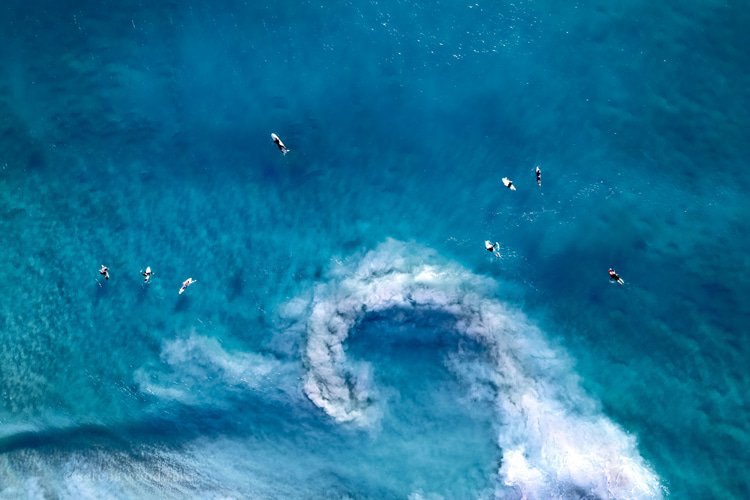
Notably, rip currents can vary significantly. Some move straight out to sea, while others can angle or even create circular patterns. The unpredictable nature of these currents makes them difficult to navigate for unprepared swimmers. Awareness of how and where they occur can improve beach safety.
Spotting Rip Currents
Identifying rip currents is essential for beach safety. Here are several signs to look for:
-
Changes in Water Color and Texture: Rip currents may appear darker or murkier due to deeper water or sediment. Look for choppy surfaces that resemble a narrow river cutting through the ocean.
-
Wave Patterns: Waves will typically break over shallow sandbars. If you notice areas where waves do not break, that may indicate a deeper rip channel, creating a noticeable calm patch.
-
Movement of Sea Debris: Foam, seaweed, or other floating debris moving away from the beach can signal the presence of a rip current.
-
Shape of the Shoreline: On some beaches, rip currents form in dips or low points along the shore. If you see water pushing up further in these areas, exercise caution.
- Swimmers’ Behavior: If you observe people drifting sideways or being pulled away while others remain stationary, a rip current may be present.
For more detailed information on spotting rip currents, consider visiting the National Weather Service or the United States Lifesaving Association.
Common Locations for Rip Currents
Rip currents can form at virtually any beach where waves break. However, some locations are more susceptible than others, including:
- Between sandbars
- Near rocky outcrops or headlands
- Adjacent to piers and jetties
- Sandy beaches with uneven seabeds
On sandy beaches, rip currents can shift position frequently, whereas those near reefs or rocky areas tend to be more consistent. Being aware of these hotspots can help you stay vigilant.
What To Do If Caught in a Rip Current
If you find yourself caught in a rip current, the first and most important step is to stay calm. This is crucial for maintaining control and decision-making. A rip current will not drag you endlessly into the ocean; they typically weaken beyond breaking waves.
Start by floating to conserve energy, allowing you to take stock of the situation. Determine the direction of the current, then swim across it, rather than against it. This is similar to swimming to the bank of a river. Once you feel the pull weaken, swim at an angle back to shore. If swimming becomes impossible, keep floating and signal for help by raising your arm and calling out.
Staying Safe from Rip Currents
Prevention is always the best strategy when it comes to rip currents. Here are some tips to minimize your risk:
-
Observe the Ocean: Spend a few minutes assessing the water conditions before entering. Look for the signs mentioned above.
-
Swim at Lifeguarded Beaches: Lifeguards are trained to spot rip currents and can direct you to safer swimming zones.
-
Pay Attention to Warning Flags: Many beaches use flags and signs to communicate hazardous conditions, so heed these warnings.
-
Educate Your Children: Sharing knowledge about rip currents and water safety can keep young swimmers out of dangerous situations.
-
Consult Lifeguards: If you’re unsure about current conditions, don’t hesitate to ask lifeguards for guidance.
- Use Floats in Emergencies: If attempting to rescue someone caught in a rip current, bring a flotation device to avoid becoming a second victim.
By being informed and proactive, you can enjoy your ocean adventures while minimizing the risks associated with rip currents. Awareness and calm response are key to navigating these powerful currents safely. For more information on beach safety, visit Lifeguard USA and make your beach outings as safe as they are enjoyable.
This article is based on reporting from www.surfertoday.com.
The original version of the story can be found on their website.
Original Source:
www.surfertoday.com
Image Credit: www.surfertoday.com ·
View image