





Bad Bunny’s Revolutionary Met Gala Transformation: A Closer Look at Art and Aging
Introduction to an Iconic Transformation
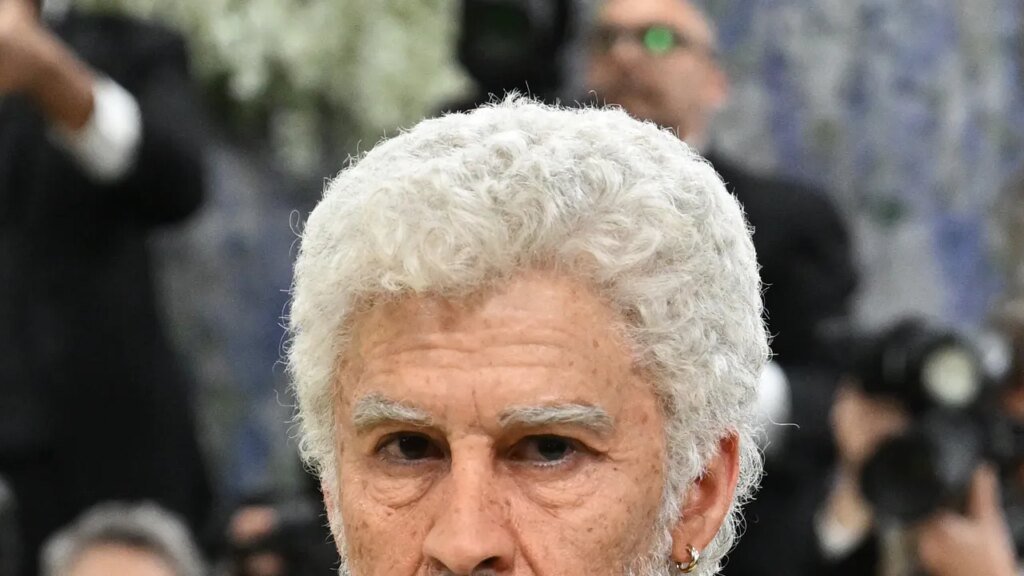
The 2026 Met Gala featured a striking transformation of global music icon Bad Bunny, who humorously remarked that it took him "53 years" to age into his look for the event. In reality, the intricate metamorphosis took only three hours, complemented by another half hour for meticulous makeup removal. The journey toward this astonishing transformation began six weeks prior, involving comprehensive prep work like scanning, designing, sculpting, and sewing a collection of hyper-realistic prosthetics, all crafted by celebrated designer Mike Marino, known for his work on films like The Batman and The Irishman.
Exploring Aging in Art and Fashion
Benito Antonio Martínez Ocasio (Bad Bunny) opted for an appearance that drew from themes often neglected in the fashion world, including the realities of aging and the beauty of pregnant bodies. By collaborating with Marino, the project aimed to highlight aging not as a loss but as an artistic exploration. Implicitly referencing historical art practices, this endeavor invited a dialogue around how aging is perceived in society compared to the idealized images often glorified in traditional portraiture.
Crafting the Idealized Aging Process
The prosthetic pieces designed by Marino were not merely for shock value but aimed to convey a refined and almost regal essence, steering clear of heavy-handed depictions of weariness. Marino’s commitment to creating a dignified portrayal resonates with the long-standing tradition of portrait painters like John Singer Sargent and Diego Velázquez, who often idealized their subjects to emphasize beauty and power. By ensuring Bad Bunny looked distinguished instead of haggard, Marino added an element of glamour expected at such a prestigious event.
The Science behind Prosthetics
An essential aspect of Marino’s process involves a keen understanding of facial anatomy. Unlike plastic surgeons, who often aim to minimize signs of aging, prosthetic designers like Marino enhance them. He employs techniques that observe natural aging signals, such as fine lines and developing eye bags, while considering the individual’s unique facial structure. “I’m like someone’s worst nightmare,” Marino joked, as he creatively exploited these aging facets to create a remarkably realistic aging effect.
The Complex Crafting Process
Creating Bad Bunny’s prosthetics was no simple feat. It began with an initial step of gathering skin color samples and conducting a 3D laser scan of his face and head. From these scans, Marino crafted miniature clay models, meticulously sculpting each crease and pore before creating molds for casting. Ultimately, the pieces were made from supersoft, thin silicone, ensuring they felt comfortable on the face. Given that Bad Bunny had never worn prosthetics before, Marino’s choice to use lightweight materials was pivotal in achieving an authentic aesthetic while maintaining comfort for the singer.
Conclusion: A New Perspective on Aging and Art
Bad Bunny’s appearance at the Met Gala illuminated how art and fashion could converge to challenge societal norms about aging. The innovative work of Mike Marino melds the boundaries between artistry and the biological process of aging, showcasing a celebration of life’s various stages rather than a fear of them. With this transformation, they pushed the envelope and redefined how we might perceive aging in a glamorous context.
Boost your health naturally—click here to shop Nature Made vitamins at NatureMade and enjoy 25% off your first order!
This article is based on reporting from Allure.
The original version of the story can be found on their website.
Original Source:
How Bad Bunny’s Prosthetics Designer Aged The Singer Five Decades
Image Credit: www.allure.com ·
View image