


Rediscovering Classic Novels: A Timeless Renaissance
In recent years, classic novels have experienced an exciting resurgence, captivating audiences anew and igniting interest in both literary and cinematic adaptations. The movement, often considered a revival of timeless storytelling, began gaining momentum with the 250th birthday celebrations of the beloved author Jane Austen. As film studios rushed to adapt renowned works, readers found themselves returning to these cherished texts with fresh eyes. For example, the highly anticipated film adaptation of Wuthering Heights, featuring Margot Robbie and Jacob Elordi, propelled sales of Emily Brontë’s novel up by over 100% prior to the film’s release. Other adaptations, such as Netflix’s take on Frankenstein, saw sales soar by 180% after its launch, illustrating how influential these reimagined classics can be. But adaptations are merely a portion of the revival, as the literary world sees a vibrant wave of retellings that make classic themes accessible to contemporary audiences.
The New Appeal of Classic Literature
The rebirth of classic literature isn’t limited to old adaptations. Modern retellings are cropping up across genres, reimagining works ranging from King Lear to David Copperfield. Social media platforms are playing a pivotal role in this renaissance, particularly TikTok, where the hashtag #classicliterature boasts over 80,000 posts. Influencers dedicated to unpacking literary classics are breathing life into texts that were once confined to academic study, allowing a wider audience to appreciate their relevance. This influx of interest raises intriguing questions about the classification of classics: What defines a classic work, and who determines their status in modern literature? Notably, publishers like Doubleday, through their Outsider Editions imprint, are shining light on overlooked works by marginalized authors, ensuring that diverse voices are finally recognized within the literary canon.
Overcoming Resistance to Classics
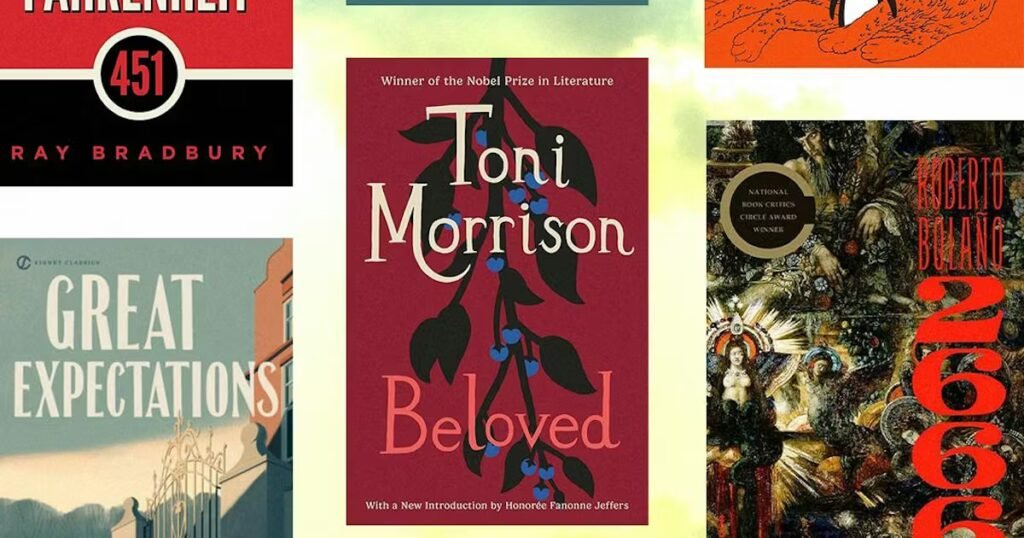
Despite the renewed interest in classics, some readers may still feel daunted at the prospect of diving into these formidable novels. This reluctance is often a remnant of assigned reading, leaving a lingering hesitation that can overshadow the enjoyment of classic literature. However, with the pressures of academia alleviated, readers can explore themes and concepts that resonate with modern life. “It’s usually best to read the book before seeing the movie,” is a mantra for many to discover rich narratives through their original form. To assist the classically curious, numerous authors have shared their favorite classic texts, along with strategies for approaching them. For instance, Moby Dick by Herman Melville is recommended for its unexpected humor and riveting language, while Great Expectations by Charles Dickens reveals a world rich with drama and complex language, inviting readers to read aloud for a truly immersive experience.
Engaging with Literature through Modern Lenses
As readers return to classics, some suggest they approach these texts with an open mind, appreciating them as living, breathing entities that reflect the human experience. Authors like Kaveh Akbar and Michael Cunningham have emphasized the importance of reengaging with classics, noting that they reveal deeper insights into life and emotions. Whether through challenging narratives in In Search of Lost Time or examining the haunting themes in Beloved by Toni Morrison, there’s much to uncover. Classics serve as mirrors, reflecting current social dynamics and personal struggles, allowing readers to cultivate empathy and understanding through the lens of another era.
Highlighting Modern Favorites Reimagined
Alongside the classics, contemporary authors have shared their recommendations for both well-known and lesser-known works that deserve attention. Titles like Parable of the Sower by Octavia Butler and Sula by Toni Morrison shed light on societal issues through poignant storytelling, encouraging readers to consider the world around them. Many modern voces, like Angela Flournoy and Deesha Philya, argue that these powerful narratives provide an essential foundation for understanding contemporary complexities. With unique storytelling methods that often break literary conventions, from 2666 by Roberto Bolaño to The Buddha in the Attic, these retellings challenge and invigorate traditional narratives.
The Future of Classics in Literature
As we embrace this renaissance of classic literature, it’s imperative that readers actively engage with both historical literary giants and modern reinterpretations alike. This phenomenon reflects a cultural shift, pushing aside the boundaries that once confined these timeless works to dusty library shelves. By participating in the discourse of classic literature, readers not only expand their horizons but also help shape the ongoing narrative surrounding what qualifies as a "classic."
In sum, we stand at the cusp of an exciting era where classic novels are not only rediscovered but also redefined. This awakening inspires readers to delve deeper into the themes of the past while encouraging a brighter future for literature that embraces diversity and inclusion. As filmmakers and authors continue to breathe new life into these stories, the literary world can expect classical texts to remain a core pillar of storytelling for generations to come. For those looking to explore classic novels, platforms such as Project Gutenberg offer free access to a plethora of timeless titles, ensuring everyone has the opportunity to experience the transformative power of literature.
This article is based on reporting from www.wmagazine.com.
The original version of the story can be found on their website.
Original Source:
www.wmagazine.com
Image Credit: www.wmagazine.com ·
View image