


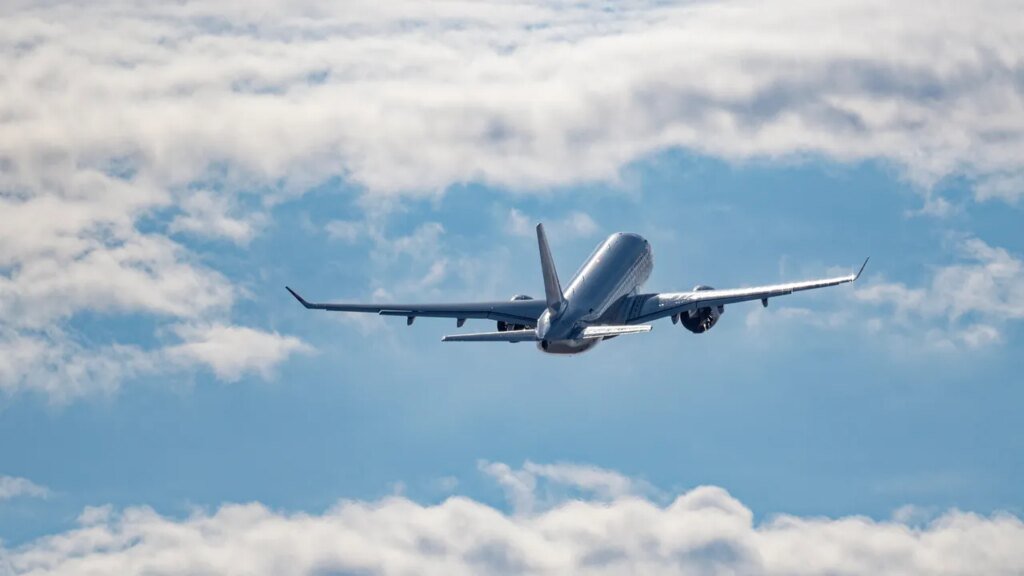
Air Travel Updates: Cancellations, Suspensions, and Tips for Travelers
As the air travel landscape continues to evolve, notable changes are affecting various routes across North America and Europe. Significant flight suspensions, cancellations, and strategic adjustments by airlines need to be understood by travelers planning their journeys in the coming years. Below, we delve into the current state of airline operations and provide essential tips to navigate these changes effectively while ensuring a hassle-free travel experience.
Upcoming Flight Suspensions
Several airlines have announced crucial flight suspensions impacting key routes. For instance, the service connecting Salt Lake City to Toronto will be suspended effective June 30, 2026, with intentions to resume in 2027. Similarly, flights from New York JFK to Toronto and Montreal will cease operations from June 1, 2026, until October 25, 2026. Notably, these changes indicate a growing trend within the airline industry to reevaluate routes based on demand and operational viability, which may reflect ongoing adjustments in response to fluctuating travel patterns.
Capacity Cuts Across Airlines
Various carriers are implementing capacity reductions as a response to rising fuel costs and economic pressures. KLM, for example, has announced the cancellation of a limited number of flights within Europe, primarily from Schiphol Airport, due to financial concerns regarding operational costs. In total, KLM will reduce its European flight capacity by about 1%, translating to 80 fewer roundtrip flights. Meanwhile, Lufthansa has made headlines for slashing 20,000 short-haul flights across Europe by October, targeting routes that have become increasingly unprofitable due to escalating jet fuel prices.
Impacts on Travelers: Know Your Rights
With growing flight cancellations and changes in airline schedules, it is crucial for travelers to familiarize themselves with their rights. Airlines are generally required to notify passengers about cancellations and offer alternatives. Travelers should be aware of their entitlements in such situations, including the right to refunds or rebookings under US federal regulations if any leg of their international flight is affected. If your flight is canceled, your airline should offer options; however, if the rebooking doesn’t suit your needs, you can request a full refund for any remaining portions of your ticket.
Tips to Avoid Cancellations This Summer
To mitigate the risk of encountering flight cancellations this summer, travelers should consider several strategies. Experts recommend prioritizing direct flights during peak travel times. While this does not completely shield passengers from potential cancellations, it significantly enhances the odds of maintaining an uninterrupted travel schedule. If you’re currently searching for affordable tickets, the advice is clear: book early. The earlier you secure your flight, the better positioned you are against rising fares and potential service disruptions.
Another important consideration is to avoid basic economy fares, opting instead for main economy tickets that offer greater flexibility in terms of changes and cancellations. This can allow travelers to monitor fare fluctuations more effectively. Setting up a price alert with tools like Google Flights enables you to take advantage of price drops, allowing for rebooking without limitations in most cases.
Understanding Fee Increases
In conjunction with operational changes, US airlines are reportedly raising bag fees due to increased fuel costs affecting the industry. Each airline’s baggage fee structure varies, making it imperative for travelers to investigate their specific airline’s policy. For example, as services become increasingly expensive, understanding these additional costs can aid travelers in budgeting accurately for their trips.
Conclusion
As air travel continues to shift under the pressure of economic variables, staying informed is crucial for travelers. From understanding the nuances of flight suspensions to knowing your rights and preparing adequately for potential cancellations, travelers must adapt to the changing landscape. By implementing strategies to secure flights early and considering flexible fare options, passengers can better navigate these changes while ensuring their travel plans remain intact.
For further updates and detailed information regarding flight status and policies, refer to your respective airline’s official website or trusted travel advisory platforms. Stay engaged and informed to ensure a stress-free flying experience in these evolving times.
This article is based on reporting from www.cntraveler.com.
The original version of the story can be found on their website.
Original Source:
www.cntraveler.com
Image Credit: www.cntraveler.com ·
View image