


The Transformative Power of Breath in Scuba Diving
Scuba diving is an exhilarating adventure that opens up a world beneath the waves, but mastering the technique requires more than just proper equipment and skills—it involves controlling your breath. During my recent experience thirty feet underwater in Nassau, Bahamas, I faced one of the most daunting challenges of a budding diver: flooding my mask. My instructor, Brian, emphasized the importance of this exercise for every diver to become certified. As I cracked the mask’s seal, saltwater cascaded across my face, exacerbating my anxiety and causing my heart to race. This moment underscored a crucial diving lesson: the only way to navigate through challenges is to maintain control over your breath.
Breathing is essential not only for survival but also for achieving buoyancy and calmness underwater. Stephen J. Aynsley, a PADI course director specializing in scuba meditation, emphasizes that “how you breathe dictates how the dive goes.” Shallow breaths often lead to feelings of anxiety due to insufficient oxygen intake. Instead, divers are encouraged to practice deep, slow breaths—a technique akin to those practiced in meditation. This connection between scuba diving and mindfulness can significantly impact one’s ability to remain calm in high-pressure situations. For additional insight into these breathing techniques, resources like PADI offer a wealth of information.
In my journey to get certified, I set off to Sandals Royal Bahamian, where I felt a mix of excitement and apprehension. My previous experiences were limited to snorkeling, a more surface-level interaction with the ocean. While snorkeling in stunning locations like Little Bay in Anguilla and the shores of Lanai in Hawaii, I was enchanted by the vibrant marine life. It was a joy to observe parrotfish and rays glide through the clear waters—though from a safe distance. The transition from snorkeling to scuba diving felt both thrilling and intimidating, particularly given my tendency to panic when facing challenges.
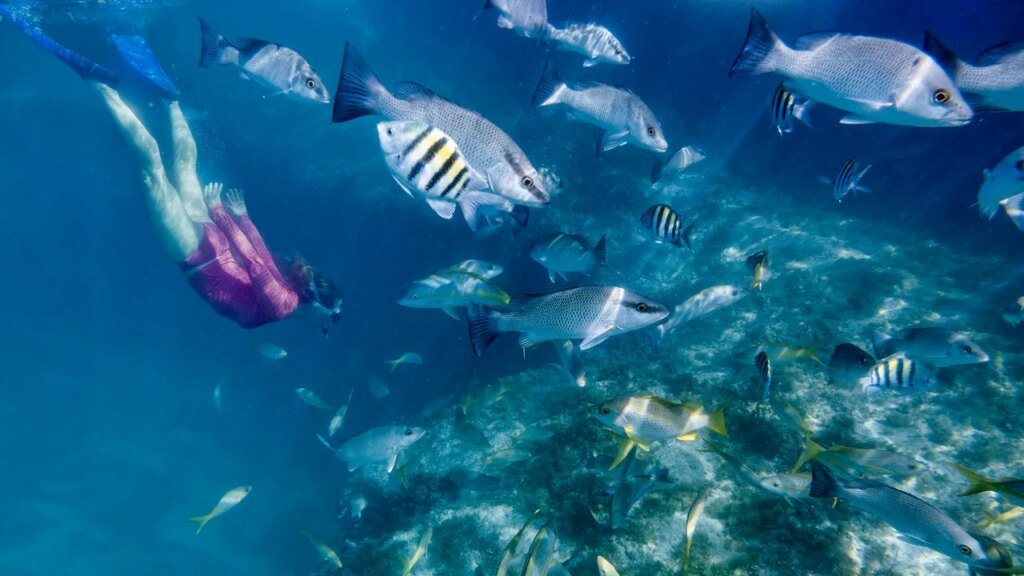
The transformative power of breathing became evident during my dive training. The underwater world is mesmerizing, with vibrant coral reefs and shipwrecks teeming with life, like the David Tucker shipwreck, which rests off the coast of Nassau. To fully appreciate this beauty, I learned that mastering my breath was crucial. Initially, when I struggled to clear my mask, my instincts directed me towards panic. However, with Brian’s guidance on matching my breathing to his rhythm, I found my composure and was able to successfully navigate my situation. This experience reinforced the importance of breath control—not just for diving, but also as a life skill that can help manage anxiety and stress.
Scuba diving isn’t just a physical exertion; it’s a mental game too. The ability to focus on your breath directly correlates with your overall experience. Recognizing the parallels between scuba diving and meditation, I found that the calming practices I had previously explored, like using meditation apps such as Headspace and Open, were certainly applicable underwater. As I drilled myself in the art of deep inhalations and slow exhalations while submerged, I discovered a newfound confidence and tranquility that transcended the dive.
In conclusion, taking the plunge into scuba diving opened a new realm of adventure and personal growth for me. The challenges presented in the underwater environment, particularly mastering breath control, evolved from sources of anxiety into tools for empowerment. When diving, each breath counts—not just for sustaining life but for enhancing the experience itself. As divers, we can harness the meditative quality of breathwork to calm ourselves and embrace the wonders of the ocean. With tools and insights accessible through resources like PADI, individuals seeking to explore the depths of the sea can also dive deep into the importance of mastering their breath, transforming dives into profound experiences. To learn more about scuba training and certification, visit PADI’s training page.
This article is based on reporting from www.cntraveler.com.
The original version of the story can be found on their website.
Original Source:
www.cntraveler.com
Image Credit: www.cntraveler.com ·
View image